
















 English
 Français
 Deutsch
 Português
 Español
 русский
 한국어
 العربية
 Italiano
 Indonesia
 Schweiz
 Polski
 Nederlands
 ישראל - עברית
 Perzisch
 ไทย
 日本語
 ኢትዮ-አማርኛ
 Việt Nam
 Kiswahili
 Srpski
 Ελληνικά
 繁體中文
Fans for Bathroom and Wet Room Ventilation
10/29/2026Bathroom ventilation removes moist air and odors from the room. The fan needs an effective route to the outside and a route for replacement air to enter. When either route is restricted, installing a more powerful motor may leave the original problem unresolved.
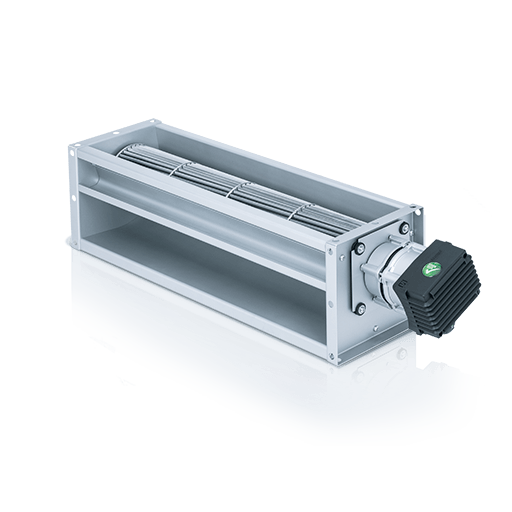
For residential equipment manufacturers, building managers and replacement buyers, the relevant product is often a fan integrated into a larger extract unit. Matching that component requires an understanding of the unit's airflow path and operating controls.
Follow the air beyond the grille
An extract grille is the visible part of a longer air path. The outlet may connect to a short wall passage, a roof termination or a shared duct arrangement. Duct length, bends and dampers add resistance, changing the airflow available from the fan.
A free air rating describes operation without the resistance of the installed system. For a ducted bathroom application, check fan performance at the required pressure. Also investigate blocked grilles or stuck dampers before treating low extraction as a fan capacity problem.
Provide a route for replacement air
Extracted air must be replaced. The intended transfer path may be an undercut beneath the door or a purpose-designed opening, depending on the building. Obstructing that path can reduce extraction and alter room pressure.
Opening a door and noticing a change in airflow can help identify an installation issue, but it is not a substitute for commissioning. The complete room arrangement should be checked against the ventilation design and applicable local requirements.
Match the fan to the operating sequence
Bathroom ventilation may run continuously at a lower setting, increase with occupancy, respond to humidity or continue for a timed period after use. These functions belong to the complete device and controller. A fan component does not necessarily contain the sensor or timing function.
When sourcing a replacement, determine which functions are provided by the fan and which are provided elsewhere. Check the available speed command and any feedback connection. The new assembly should preserve the intended low and boost operating modes rather than simply run at maximum speed.
Consider moisture and installation location
A bathroom creates a humid environment, and its electrical installation requires suitable equipment and positioning. Verify the complete unit's installation instructions and local electrical requirements for the actual location. Do not infer permission for a particular wet area from the appearance of the fan.
Condensation in an extract duct can also be an installation issue. The duct arrangement and any necessary insulation or drainage should follow the equipment and building design, keeping moisture management separate from fan replacement alone.
Obtain the correct replacement details
ebm-papst lists bathroom and wet room ventilation among its fan applications. To discuss a replacement with APAC FAN, send the unit reference, fan label, connector photographs and details of the normal and boost functions. Include your email or WhatsApp number for specification and matching support.