












 English
 Français
 Deutsch
 Português
 Español
 русский
 한국어
 العربية
 Italiano
 Indonesia
 Schweiz
 Polski
 Nederlands
 ישראל - עברית
 Perzisch
 ไทย
 日本語
 ኢትዮ-አማርኛ
 Việt Nam
 Kiswahili
 Srpski
 Ελληνικά
 繁體中文
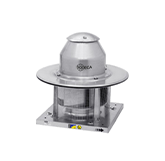
Roof Fans for Commercial and Industrial Exhaust Ventilation
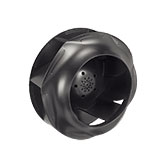
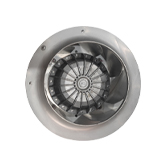
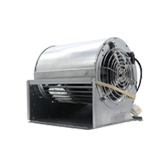
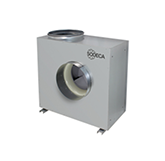
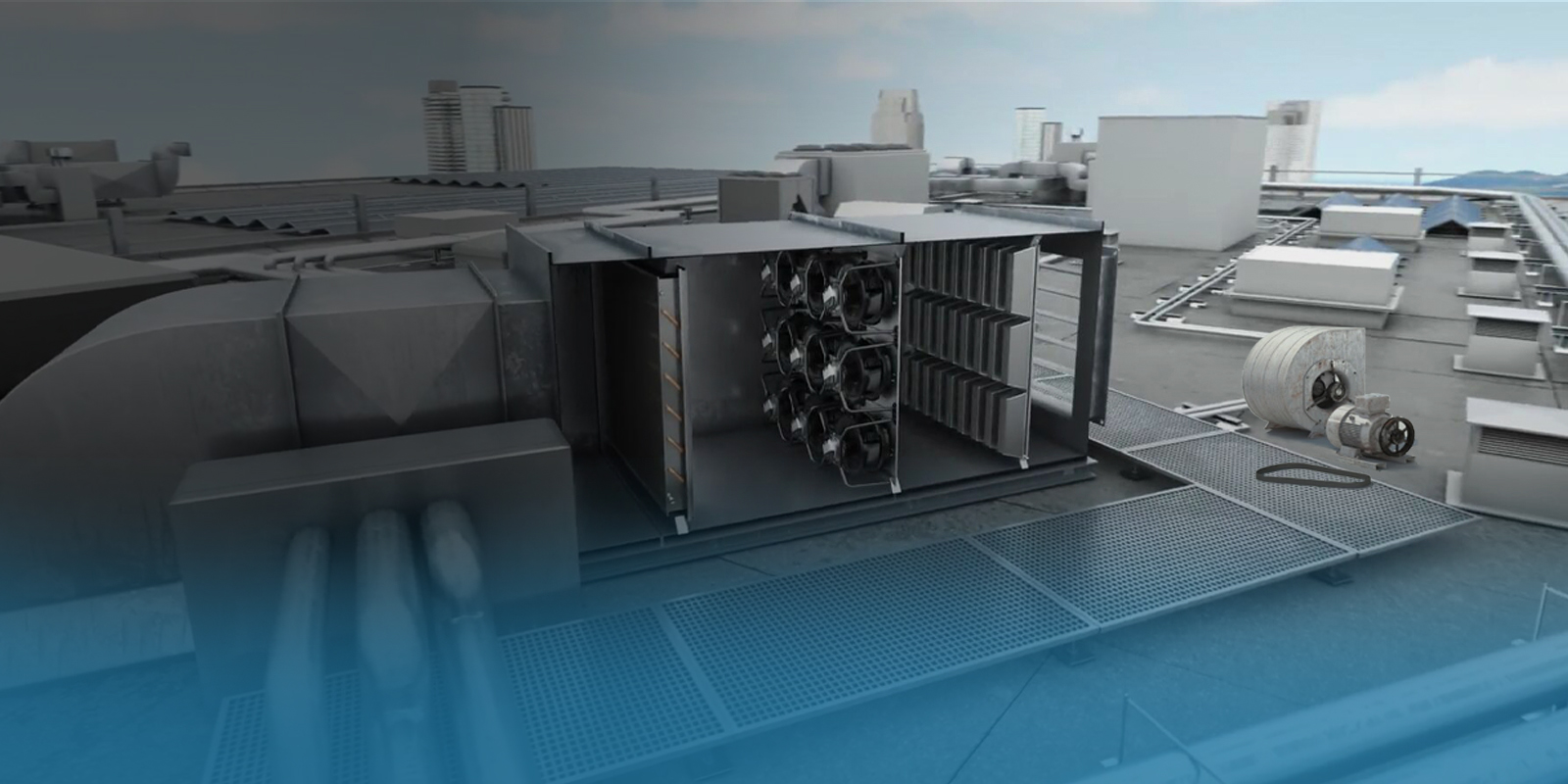
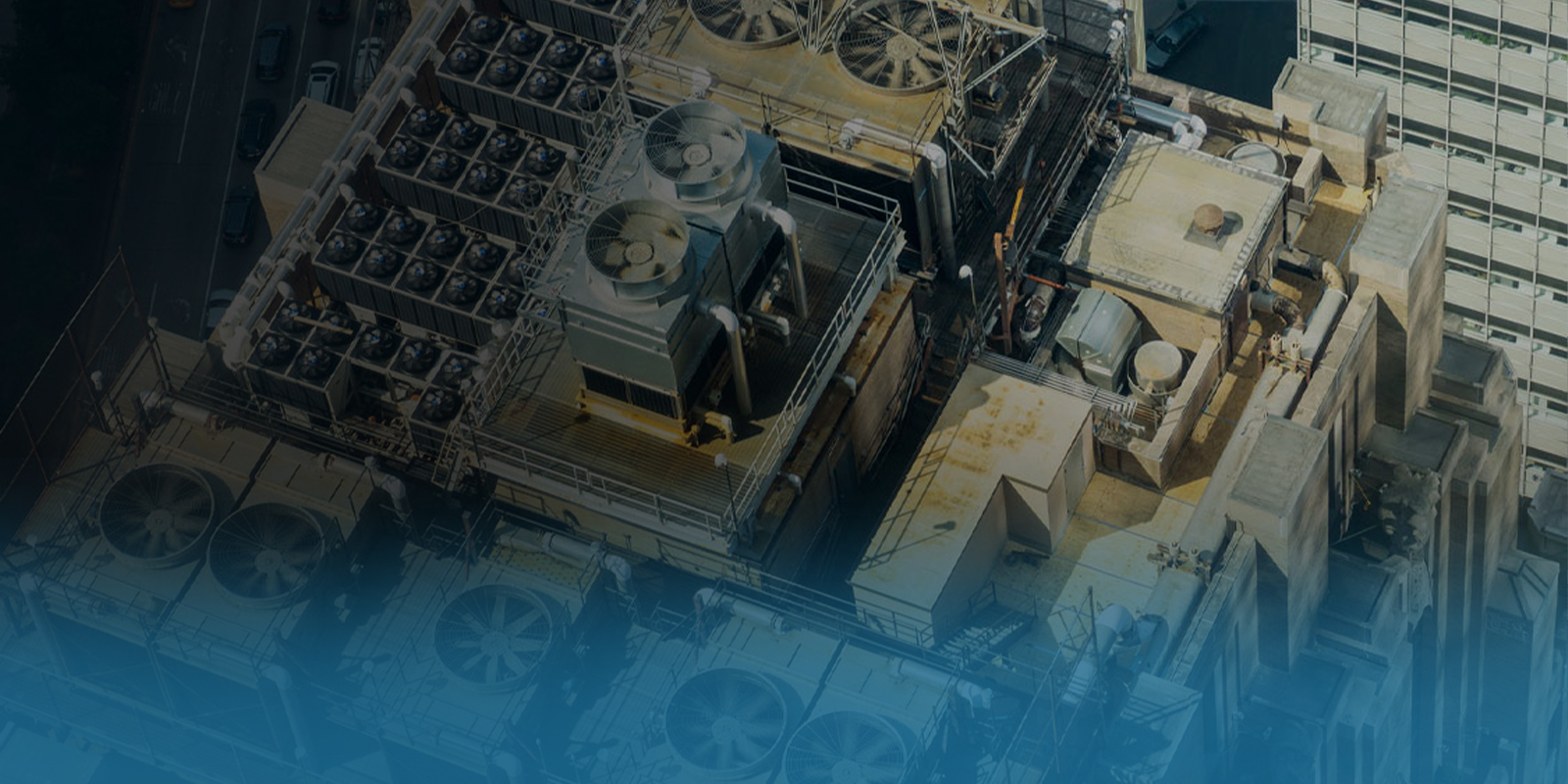
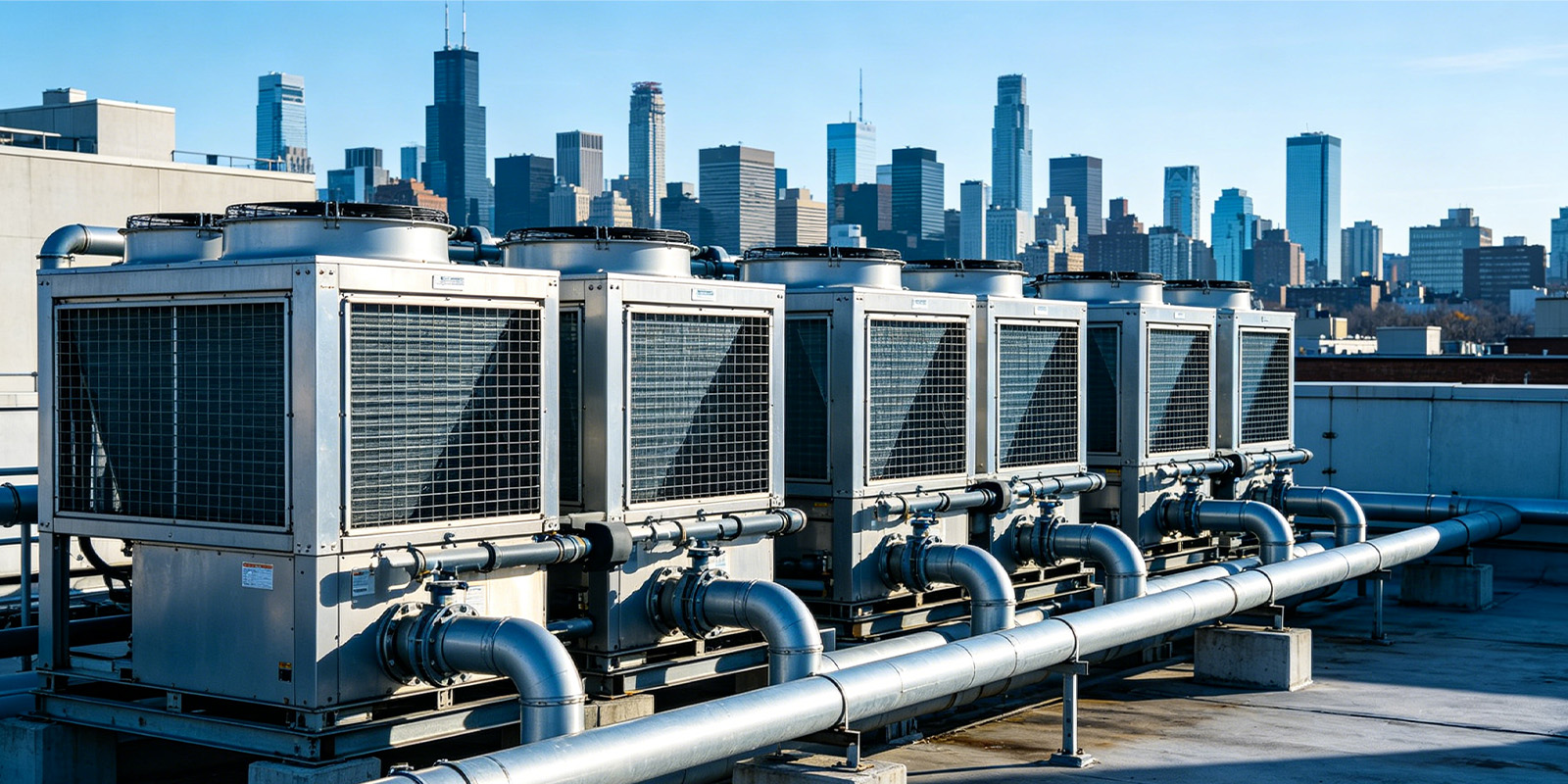
10/30/2026Roof exhaust equipment removes indoor air through an outlet above the building. It can serve a space directly or draw air through a duct network. The fan component must work with the roof housing, weather protection and connection to the building's exhaust system.
ebm-papst describes roof fans as an application for extracting air from rooms and commercial or industrial buildings, either directly or through ducts. For a project buyer, this application background is a starting point; the exact exhaust duty determines the required assembly.
Define the air being extracted
General building exhaust, grease-laden kitchen air, hot process air and smoke extraction place different demands on equipment. A fan suitable for ordinary ventilation should not be assumed suitable for all of these duties. Confirm air temperature, contaminants and any required approval for the complete application.
Where the system has a special duty, obtain the relevant product documentation before ordering. An EC motor, a familiar brand or a similar impeller diameter does not establish resistance to grease, corrosion or high temperature.
Examine the connection below the roof
A roof fan connected to several extract branches must overcome the resistance of the connected system. Changes to ducts, dampers or room use can change the operating requirement. Review the current design rather than relying only on the original fan's motor power.
Also check the transition into the roof unit. A restricted connection or abrupt change in direction can affect the inlet flow. Replacement work should preserve the intended airflow path and provide sufficient clearance for the selected fan assembly.
Review the discharge environment
The roof outlet should be considered in relation to nearby outdoor air intakes, occupied areas and obstructions. Its position and discharge arrangement influence where extracted air travels. Local design requirements and the building layout guide the appropriate separation and outlet configuration.
Weather protection belongs to the complete roof unit. Verify that changes to the fan do not compromise the housing, seals or drainage provisions. Outdoor exposure also makes access for inspection and future removal a practical part of the replacement plan.
Plan controls and safe maintenance access
Record how the unit starts, stops and changes speed. Determine whether it operates independently, follows a schedule or responds to the building management system. Check required alarms and any interaction with other building systems.
Roof work and electrical isolation need appropriate procedures and qualified personnel. Service access should permit inspection of the fan, mounting and connections without unnecessary dismantling of the roof installation.
Source a fan for the actual roof unit
Send APAC FAN the roof unit reference, existing fan number, mounting details and required airflow and pressure. Add information about the extracted air and available power supply. With your email or WhatsApp number, these details provide a clearer basis for checking an ebm-papst replacement or another specified fan assembly.