
















 English
 Français
 Deutsch
 Português
 Español
 русский
 한국어
 العربية
 Italiano
 Indonesia
 Schweiz
 Polski
 Nederlands
 ישראל - עברית
 Perzisch
 ไทย
 日本語
 ኢትዮ-አማርኛ
 Việt Nam
 Kiswahili
 Srpski
 Ελληνικά
 繁體中文
Fans in Central Residential Ventilation Systems with Heat Recovery
10/27/2026A central residential ventilation system uses a main unit and a network of ducts to exchange air across several rooms. In a system with heat recovery, fans move the incoming and outgoing air through separate paths associated with the recovery section. The purpose is to provide controlled ventilation while recovering part of the energy that would otherwise leave with the extracted air.
The fan is one component of this process. The recovery core, filters, duct layout and controller also influence what the complete unit can deliver. Replacing a fan therefore requires more than matching its outside dimensions.
Understand the two air paths
Supply air and extract air serve different functions. The supply side delivers outdoor air to the designated rooms, while the extract side removes air from the designated extract areas. The building design determines the locations and the transfer routes between rooms.
Both sides have their own resistance. Filters, grilles, silencers and the recovery section contribute to the pressure that the fans must overcome. Identical speed commands do not prove that the two airflows are balanced, particularly when one filter becomes more restricted than the other.
Keep fan performance separate from recovery performance
A fan provides air movement; the recovery component transfers heat and, in some ERV designs, moisture between the air streams. Changing the fan does not establish a new heat recovery efficiency for the whole unit. Performance claims must relate to the complete tested equipment and its operating conditions.
Where the unit includes a summer bypass or frost protection sequence, the replacement fan must work with that sequence. The required behavior may differ between normal ventilation, boost operation and protective modes. The equipment manufacturer's control requirements should guide these checks.
Consider the sound heard in the rooms
A ventilation unit may be installed away from occupied rooms, but sound can travel through ducts and the building structure. Fan speed is only one influence. Duct connections, mounting and the available space around the unit also affect the result.
Compare acoustic information using the same type of measurement and operating point. A sound figure measured under different conditions cannot reliably predict what a resident will hear at a supply grille or in a bedroom.
Prepare for a compatible replacement
Record the ventilation unit reference and the complete fan part number. Check which fan serves each air path and whether the assemblies differ. Confirm supply voltage, connector arrangement, speed control and any feedback signal used by the unit.
After replacement, verify the intended supply and extract rates using the unit manufacturer's commissioning procedure. A spinning impeller confirms movement, but it does not confirm the required ventilation through the rooms.
Find the right fan information
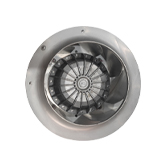
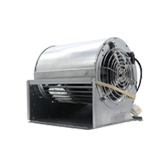
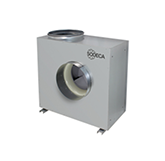
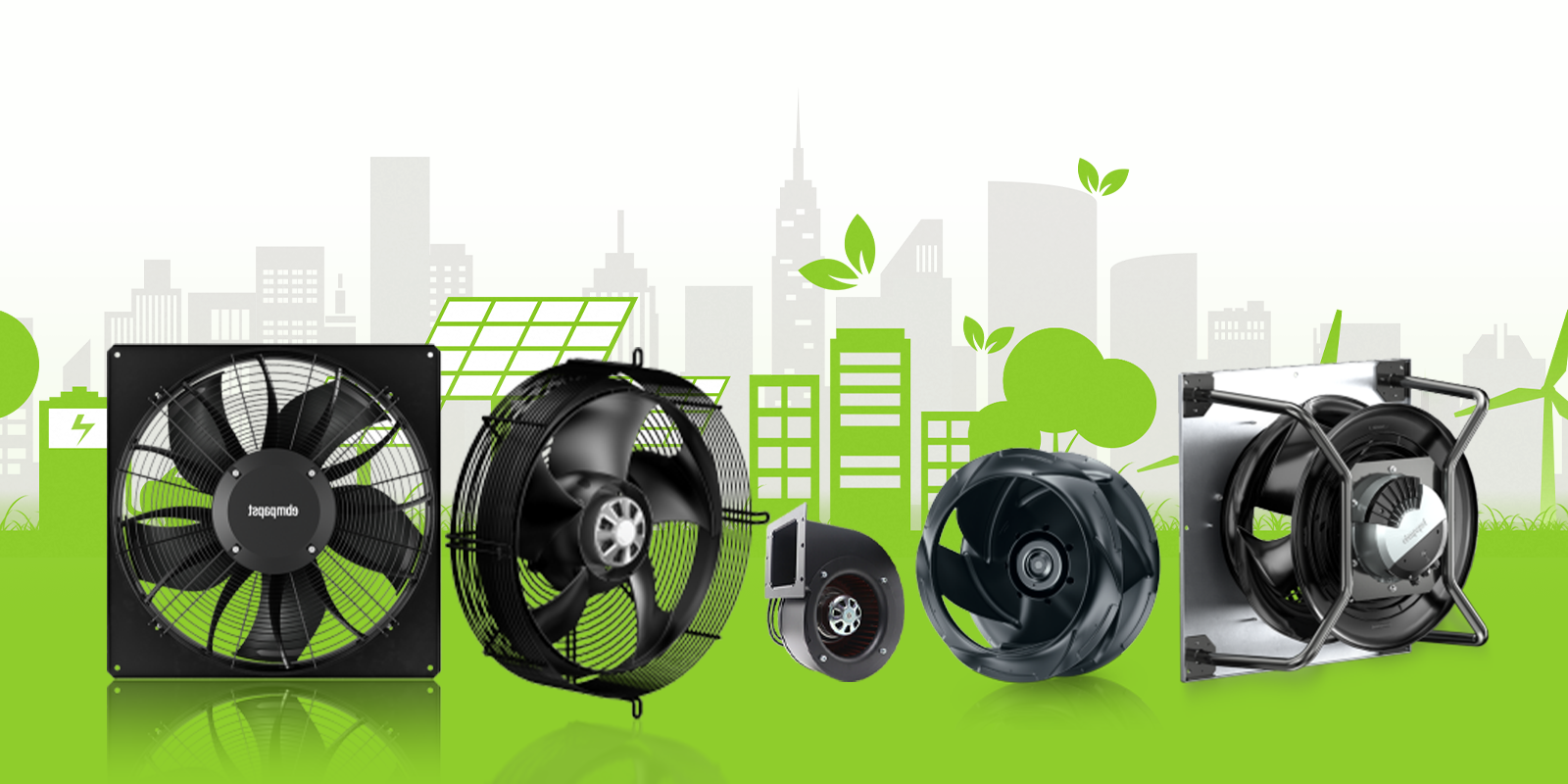
ebm-papst identifies central residential ventilation with heat recovery as an application for its fans. For a replacement enquiry, APAC FAN can review the fan identification and specifications you provide. Include photographs of the complete assembly and connectors, plus your email or WhatsApp number, to support accurate matching.