
















 English
 Français
 Deutsch
 Português
 Español
 русский
 한국어
 العربية
 Italiano
 Indonesia
 Schweiz
 Polski
 Nederlands
 ישראל - עברית
 Perzisch
 ไทย
 日本語
 ኢትዮ-አማርኛ
 Việt Nam
 Kiswahili
 Srpski
 Ελληνικά
 繁體中文
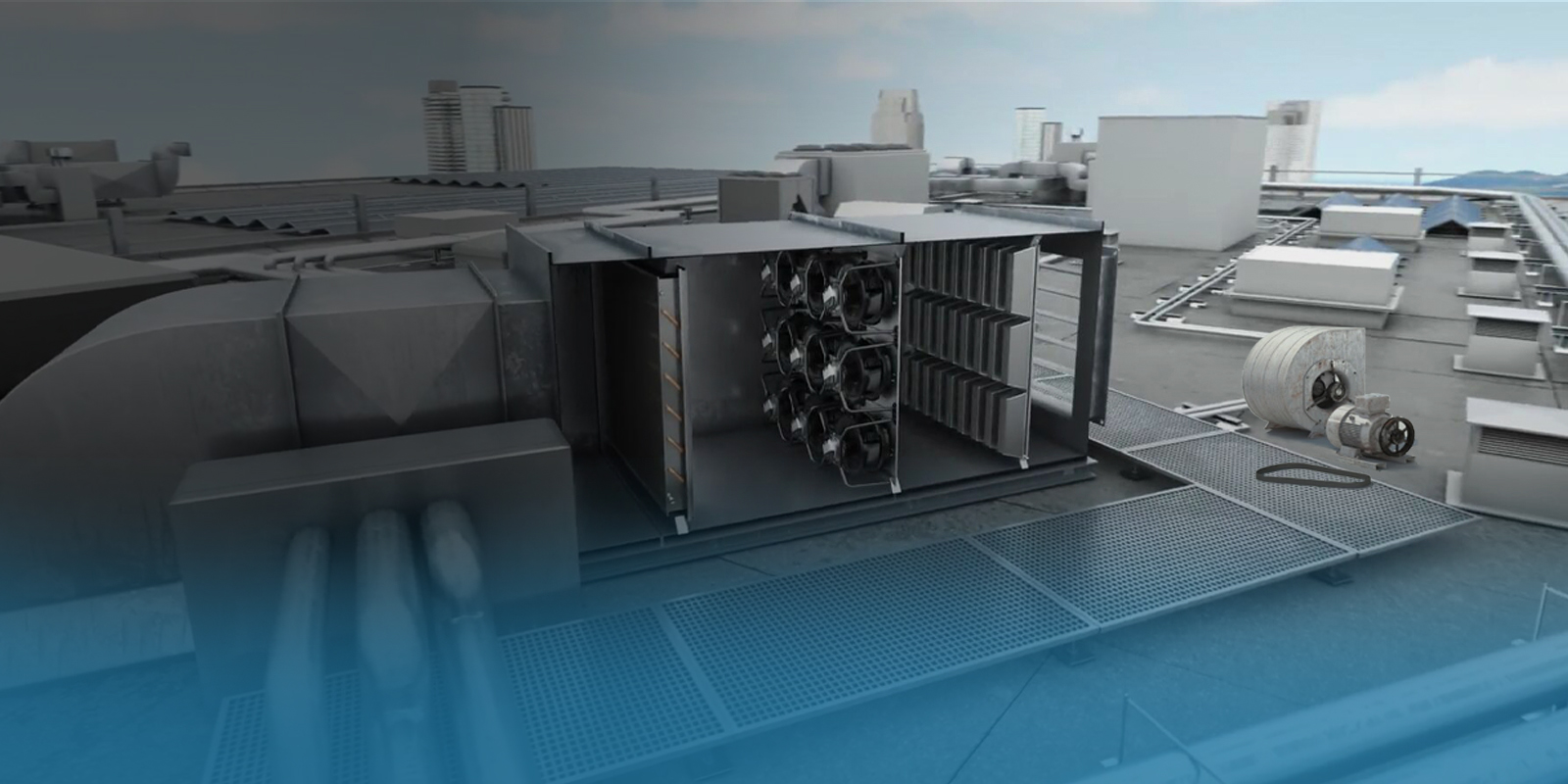
AHU Fan Retrofit Planning for an Existing Air Handling Unit
10/26/2026An AHU fan retrofit can extend the usefulness of an existing air handling unit when the casing and other major components remain suitable for service. A successful project starts with a clear replacement scope: what must change, what can remain, and how the completed unit will be checked before it returns to normal operation.
For building owners and maintenance teams, the challenge is often practical. A replacement fan must reach the plant room, pass through the access opening, fit the available compartment and work with the existing controls. These details deserve attention before equipment is ordered.
Establish the project boundary
Record why the work is being considered. A failed motor, unreliable belt drive, changing occupancy and a planned controls upgrade can lead to different replacement decisions. Confirm whether the project covers only the fan assembly or also includes mounting frames, wiring, sensors and control changes.
Inspect the condition of the retained equipment. Damaged filters, leaking access doors or a deteriorated coil can limit the benefit of a new fan. Agree on how these issues will be addressed so that the replacement is evaluated as part of a functioning AHU.
Check the route into the fan compartment
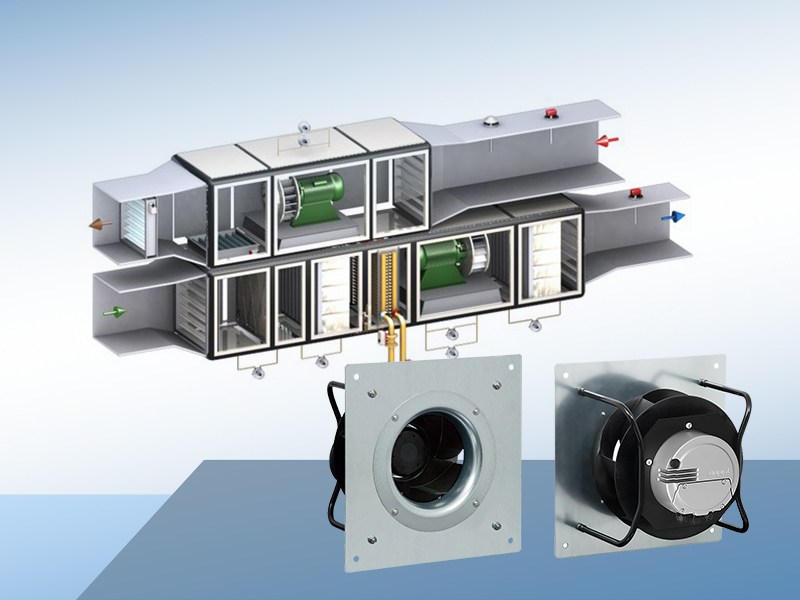
Measure the access door, internal clearances and removal route, as well as the final mounting position. Consider how the original fan will be removed and whether the replacement can be handled without dismantling unrelated equipment. A fan that fits the compartment may still be too large to pass through the available opening.
For a change in fan arrangement, review the supporting structure and the space around the inlet and discharge. Existing panels may require modification. Any new frame must support the selected assembly and allow future inspection and replacement.
Coordinate the electrical and control work
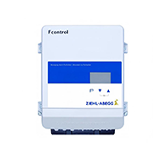
Collect the existing fan nameplate, wiring diagram and control description. Compare the proposed fan's supply requirements, enable function, speed command and fault output with the AHU controller. EC technology does not, by itself, establish compatibility with every control system.
Where several fans replace one assembly, decide how commands, alarms and isolation will be managed. Continued operation after a fan failure depends on the complete design and available duty; adding more fans does not automatically provide full redundancy.
Agree on acceptance before the shutdown
Define the required airflow and pressure conditions, the measurement method and the operating modes to be tested. Record a useful baseline where the existing system can still operate. After installation, check airflow, power input, vibration, noise and control response under comparable conditions.
A published saving from another building is not a forecast for your AHU. Any project saving should be calculated from measured operating conditions and the expected running schedule.
Discuss your replacement with APAC FAN
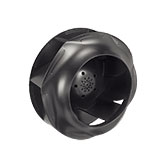
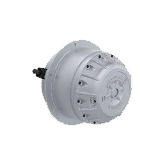
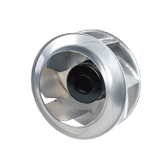
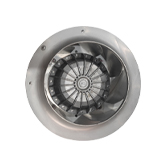
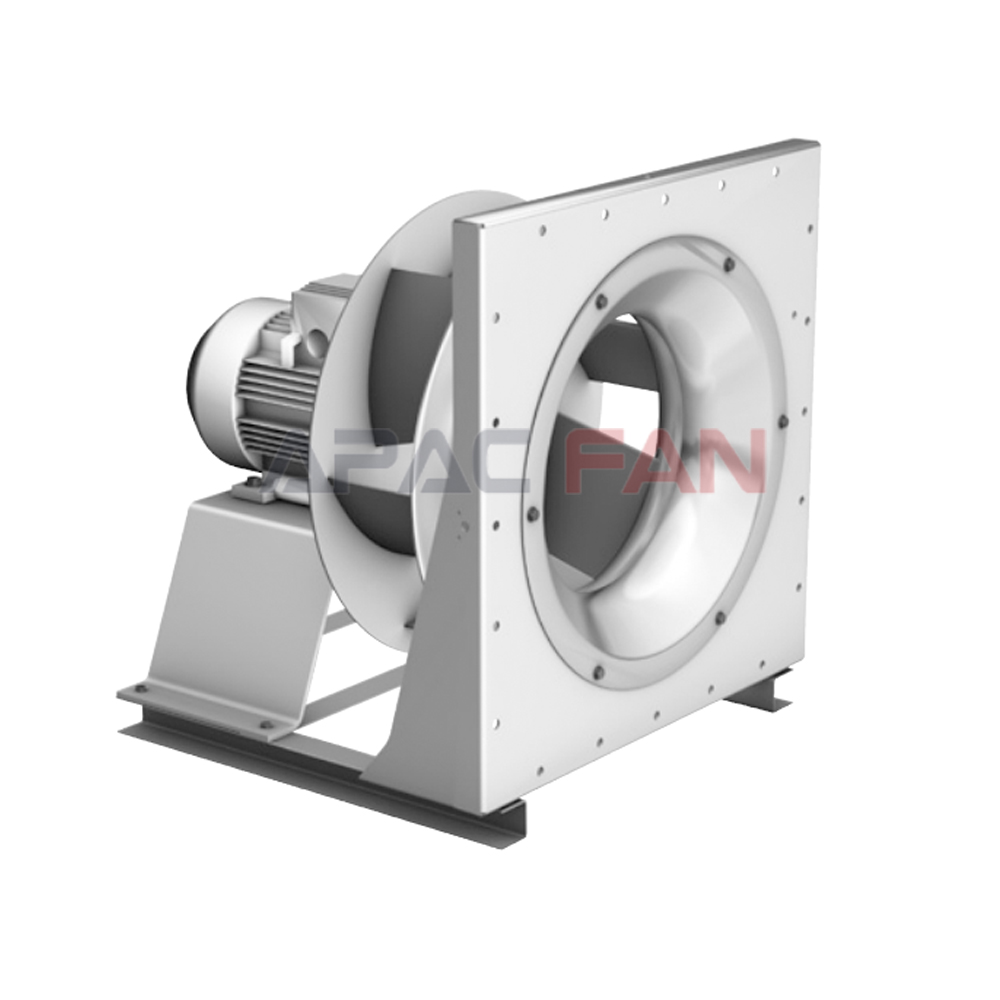
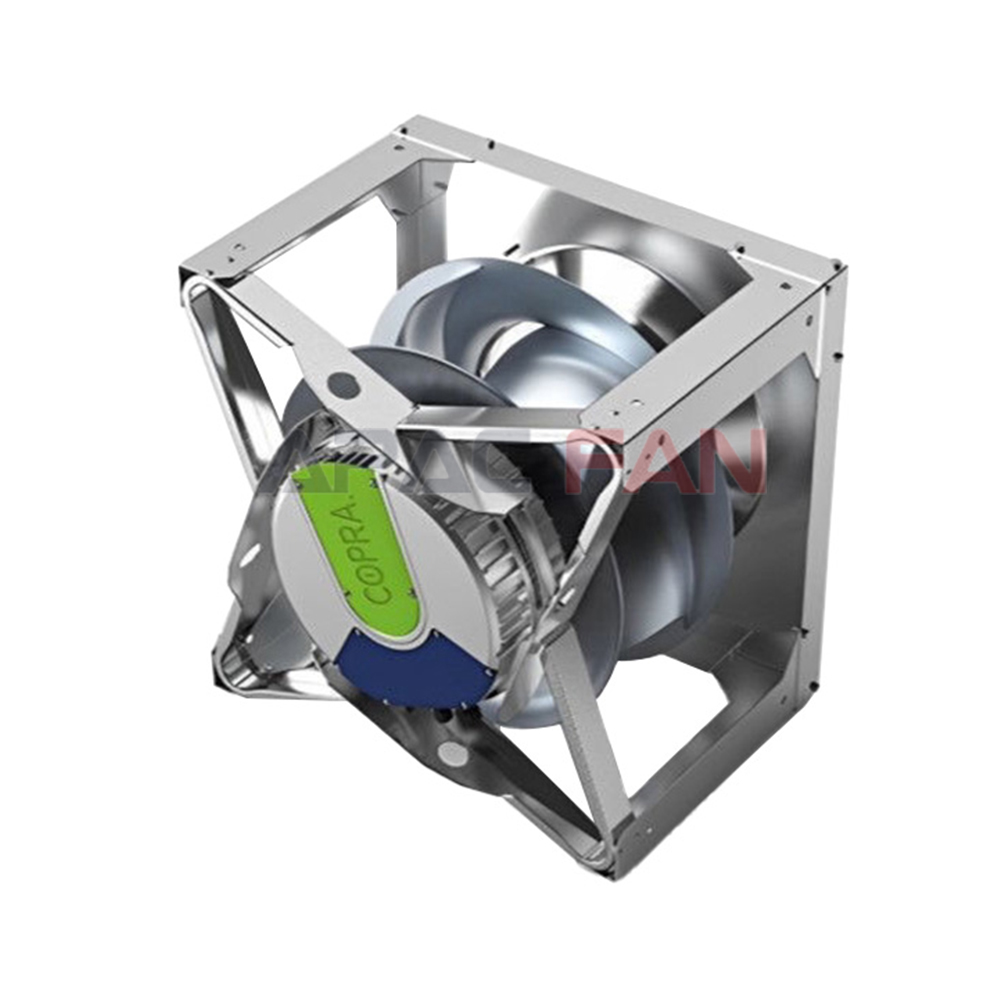
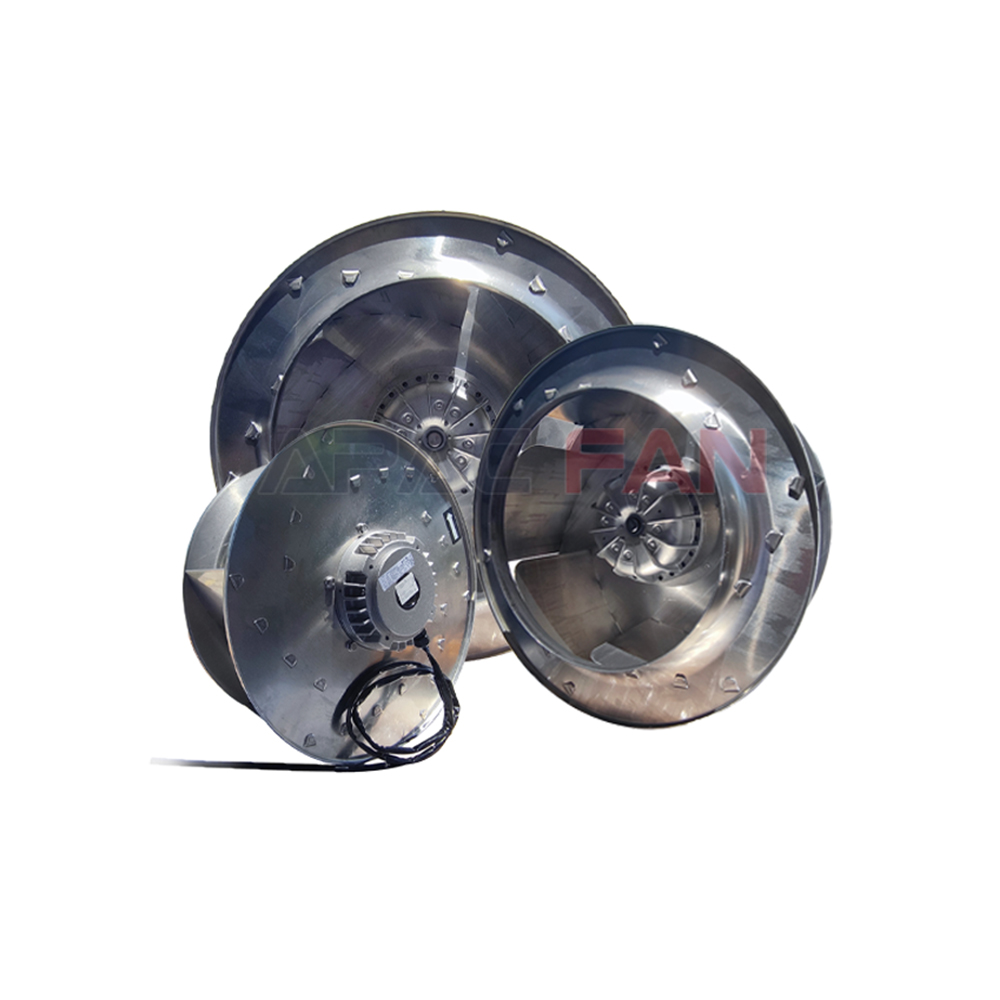
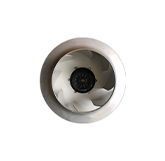
The ebm-papst RadiPac range includes EC centrifugal fans used in AHU applications. Choosing a replacement still requires the exact fan configuration and installation conditions to be checked. Send APAC FAN the existing nameplate, compartment photographs, access dimensions and required duty, together with your email or WhatsApp number, for replacement selection support.