
















 English
 Français
 Deutsch
 Português
 Español
 русский
 한국어
 العربية
 Italiano
 Indonesia
 Schweiz
 Polski
 Nederlands
 ישראל - עברית
 Perzisch
 ไทย
 日本語
 ኢትዮ-አማርኛ
 Việt Nam
 Kiswahili
 Srpski
 Ελληνικά
 繁體中文
Dry Cooler Fan Inspection and Maintenance A Practical Guide
10/23/2026Inspect the fan and surrounding air path
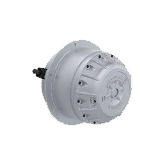
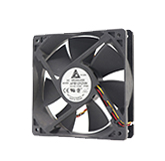
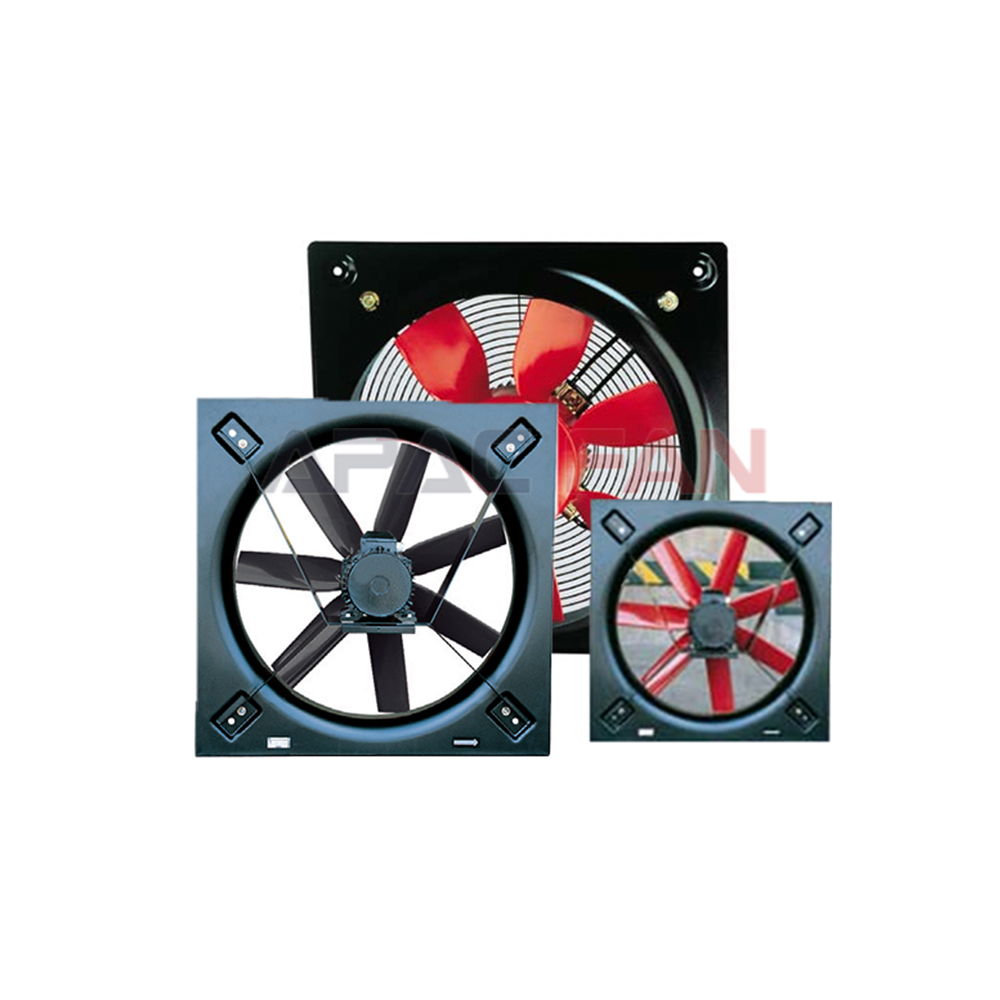
Routine inspection should follow the dry cooler and fan manufacturers' instructions and the site's safety procedures. Look for visible damage, contamination, loose guards, signs of rubbing, blocked air inlets, and objects that could obstruct the discharge. Check the coil and surrounding panels as well, because debris on the heat exchanger can increase resistance and reduce airflow.
Before touching or cleaning a fan, isolate the electrical supply and confirm that the equipment cannot start automatically. Follow the manufacturer's lockout and restart procedures. Do not remove guards or reach into a fan while it is energized. Where inspection requires electrical testing or access to moving parts, use qualified personnel and the approved service procedure.
Watch for changes in sound and vibration
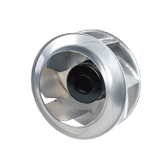
Changes in noise, vibration, fan speed, or airflow can be useful early signs that the unit needs attention. A damaged or contaminated impeller, loose hardware, bearing wear, mounting issues, or a changed system resistance may contribute to a change in operation. These symptoms point to checks; they do not identify a single cause without inspection.
Record the operating condition when a symptom appears, including which fans are running, any available speed or alarm indication, outdoor temperature, and system load. A record makes it easier to compare the unit with its normal behavior. If the symptom is sudden, severe, or accompanied by an electrical or mechanical alarm, follow the site's shutdown and service requirements.
Keep the coil and fan working together
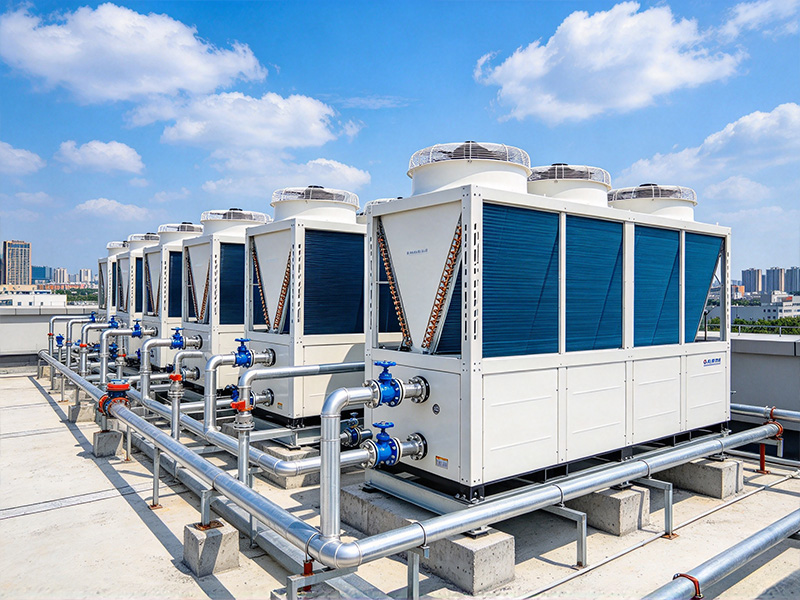
The fan is only one part of the heat rejection path. A dirty coil, blocked intake, damaged louver, or recirculating discharge air can limit performance even if the fan is healthy. Coil cleaning methods should follow the dry cooler manufacturer's guidance because aggressive water pressure or unsuitable chemicals can damage fins, coatings, electrical parts, or nearby surfaces.
After cleaning or service, confirm that panels and guards are returned to their correct positions and that the airflow path is clear. Recheck the unit under its normal operating sequence. Compare relevant temperatures and fan operation with previous records to see whether the maintenance addressed the observed issue.
Plan replacement from verified data
Maintenance records should include the exact fan model, service date, observed symptoms, parts changed, and any measurements taken. If a fan needs replacement, use the complete model code and confirm airflow duty, dimensions, electrical supply, control interface, and environmental limits. A similar-looking fan may not have the same performance or connection details.
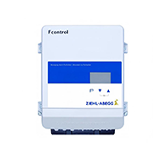
Do not adjust speed limits, protective devices, or control settings beyond the manufacturer's instructions in an attempt to compensate for a dirty coil or other fault. If the dry cooler still misses its target after routine checks, evaluate the heat load, liquid flow, coil condition, fan operating point, and control sequence as one system. This approach helps identify the underlying constraint rather than repeatedly changing fan settings.