












 English
 Français
 Deutsch
 Português
 Español
 русский
 한국어
 العربية
 Italiano
 Indonesia
 Schweiz
 Polski
 Nederlands
 ישראל - עברית
 Perzisch
 ไทย
 日本語
 ኢትዮ-አማርኛ
 Việt Nam
 Kiswahili
 Srpski
 Ελληνικά
 繁體中文
Part Load Operation and Fan Control in Dry Coolers
10/22/2026Why fan output changes with load
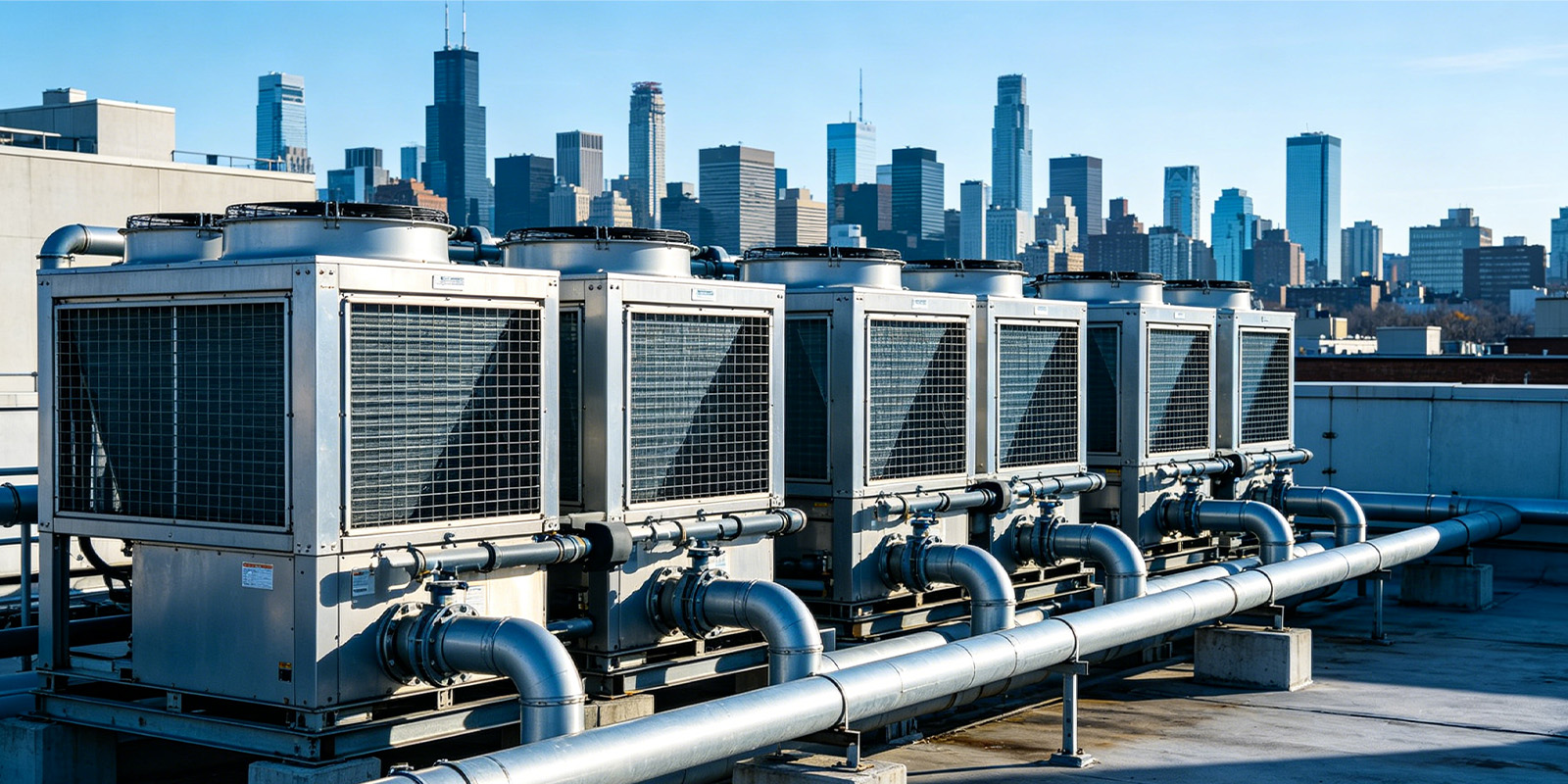
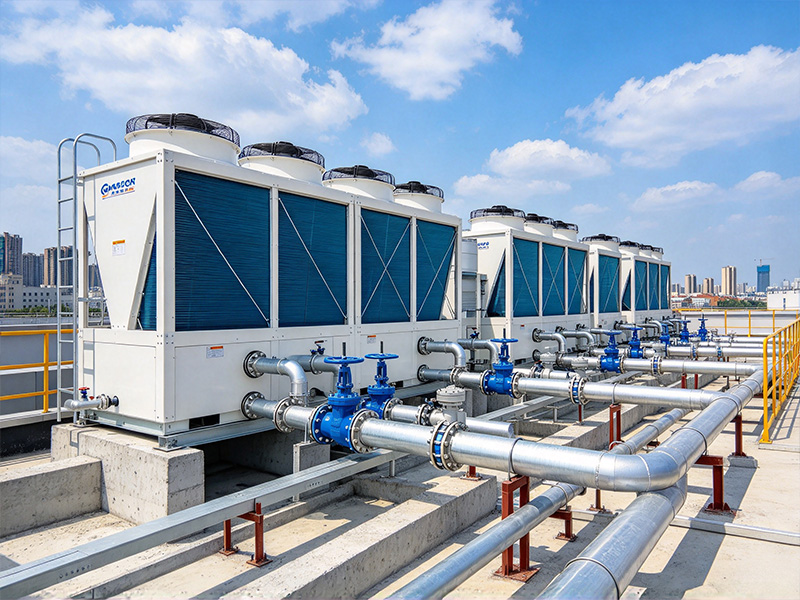
A dry cooler may operate under a range of heat loads and outdoor temperatures. At times, the full fan array may not be needed to maintain the liquid outlet target. A control system can respond by switching fans in stages, changing fan speed where the equipment supports it, or combining these approaches.
The most suitable method depends on the dry cooler design, the fan motors, the controller, and the required temperature response. Fan control should be based on the system's actual duty rather than an assumption that lower speed is always preferable. The unit must continue to meet the process or cooling requirement across the operating range.
Staged fans and variable speed
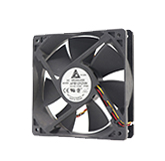
Staging switches groups of fans on or off as demand changes. This can be straightforward where fans are designed for discrete operation, but the controller needs suitable thresholds and sequencing. If the system uses a variable-speed fan, its speed can be adjusted within the permitted range to make smaller changes in airflow. Some systems combine staged operation with speed control.
Both approaches have limits. Staging can cause noticeable changes in airflow or temperature if the steps are too large. Variable-speed control can become unstable if the sensor is poorly placed or the control response is too aggressive. The fan manufacturer's minimum and maximum operating limits should be respected, and the sequence should be tested under real operating conditions.
Sensors and control logic
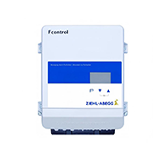
The controller needs a reliable measurement that represents the condition the dry cooler is intended to control, such as leaving liquid temperature. Sensor location, response time, calibration, and the relationship between the measured value and the actual process load all affect control quality. If multiple sensors are used, their function should be clearly defined.
Setpoints, deadbands, delays, and fan sequencing influence how often the system changes state. A narrow deadband may lead to repeated cycling, while a slow response may allow the liquid temperature to drift more than expected. Control changes should be made by qualified personnel with reference to the equipment documentation, especially where the dry cooler is integrated into a larger chiller or process system.
Match the fan technology to the control strategy
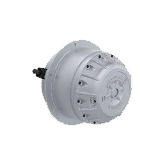
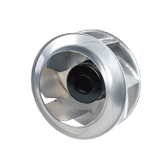
Before applying speed control, confirm that the installed fan motor is designed for the chosen control method. EC fans may have a dedicated control input or integrated electronics, while other motor arrangements may require compatible external equipment. Verify wiring, signal type, speed range, feedback, and loss-of-signal behavior for the exact model.
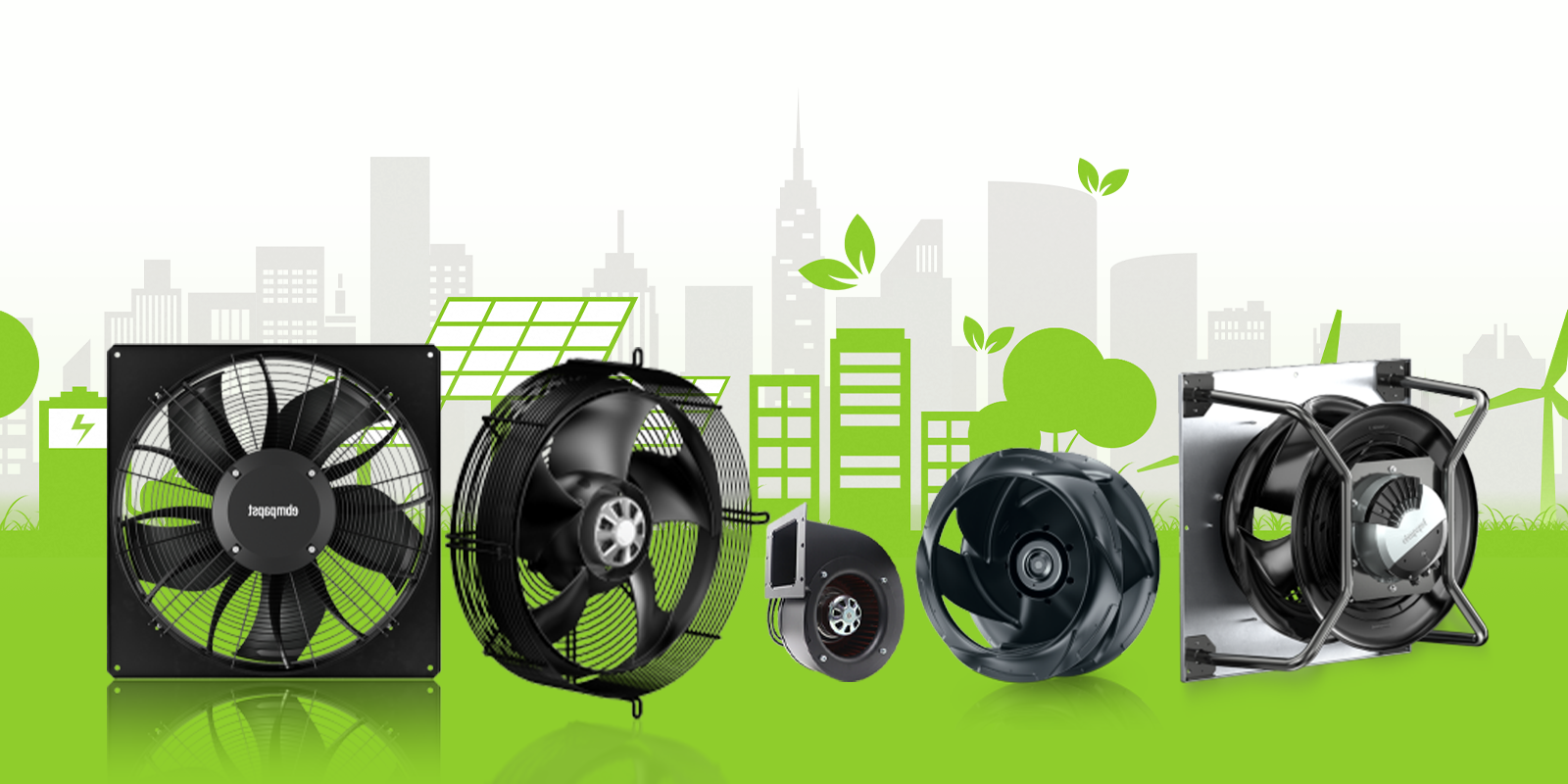
Manufacturers such as ebm-papst publish EC fan options for related cooling and refrigeration applications. The presence of an EC option in a catalog does not mean it can be connected directly to any dry cooler controller. Match the fan data and control interface to the specific system, then commission the full sequence rather than testing only the fan in isolation.