


















 English
 Français
 Deutsch
 Português
 Español
 русский
 한국어
 العربية
 Italiano
 Indonesia
 Schweiz
 Polski
 Nederlands
 ישראל - עברית
 Perzisch
 ไทย
 日本語
 ኢትዮ-አማርኛ
 Việt Nam
 Kiswahili
 Srpski
 Ελληνικά
 繁體中文
Fan Layout and Airflow Distribution in Multi Fan Dry Coolers
10/21/2026Why fan layout affects heat rejection
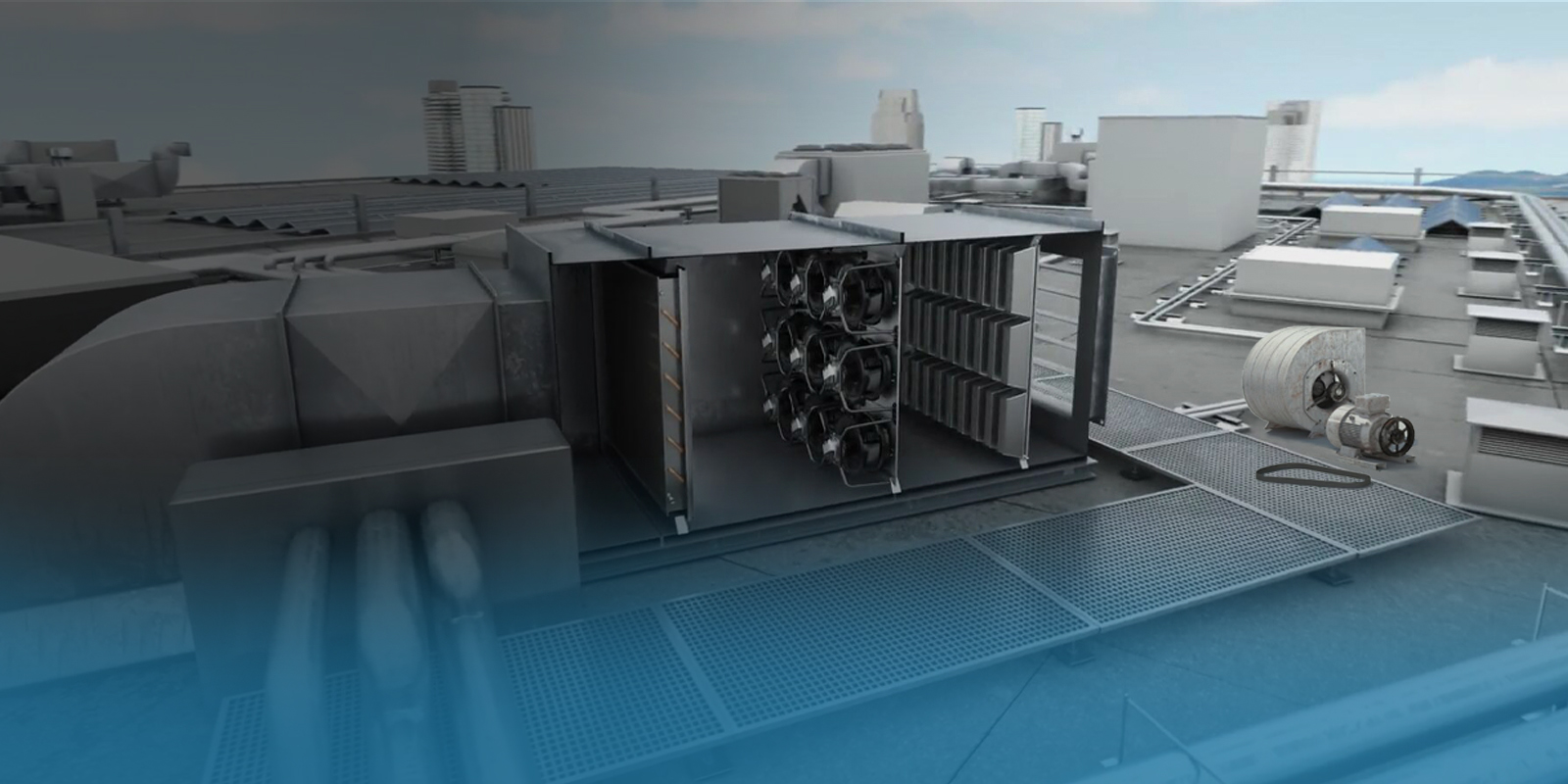
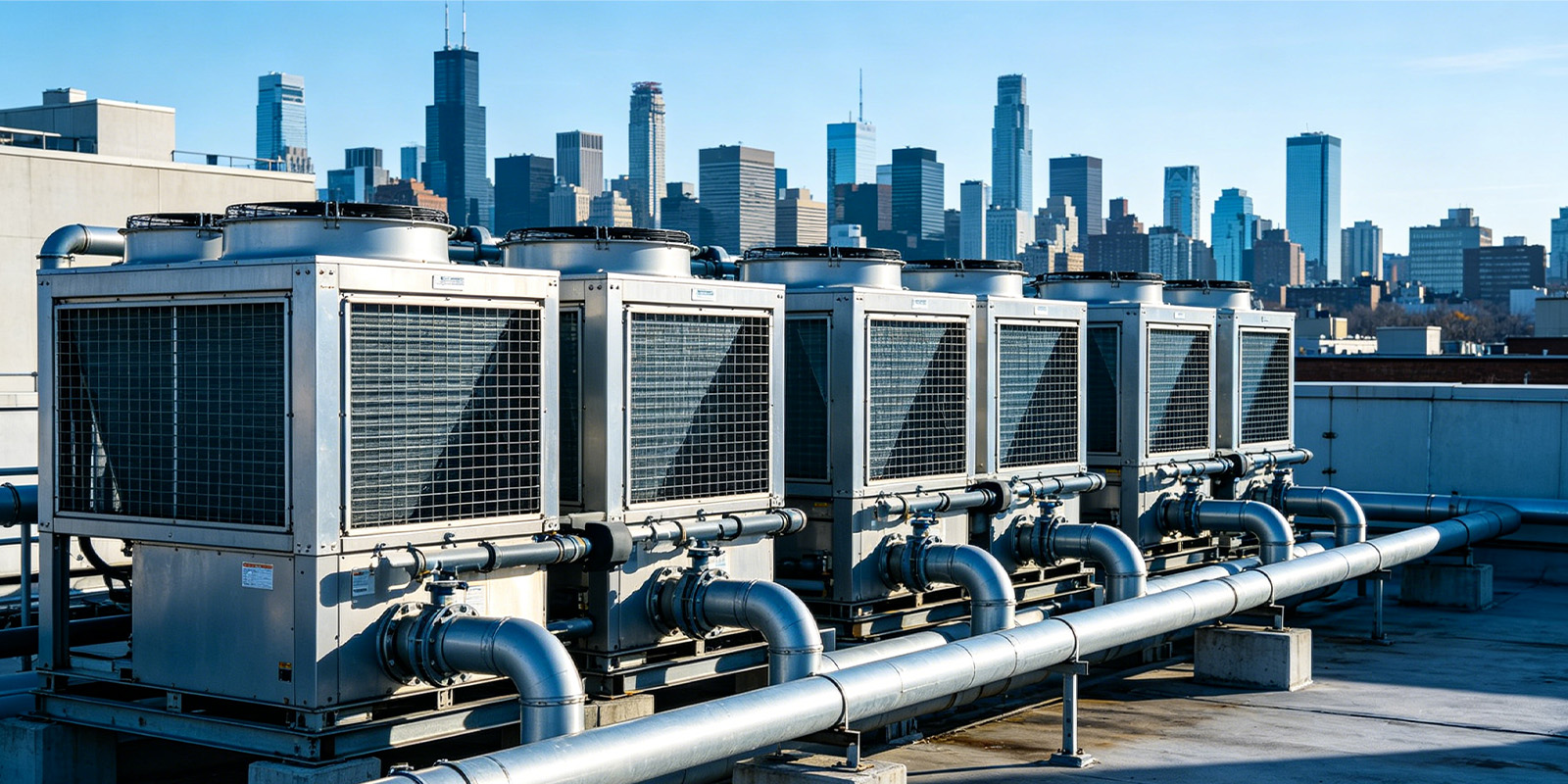
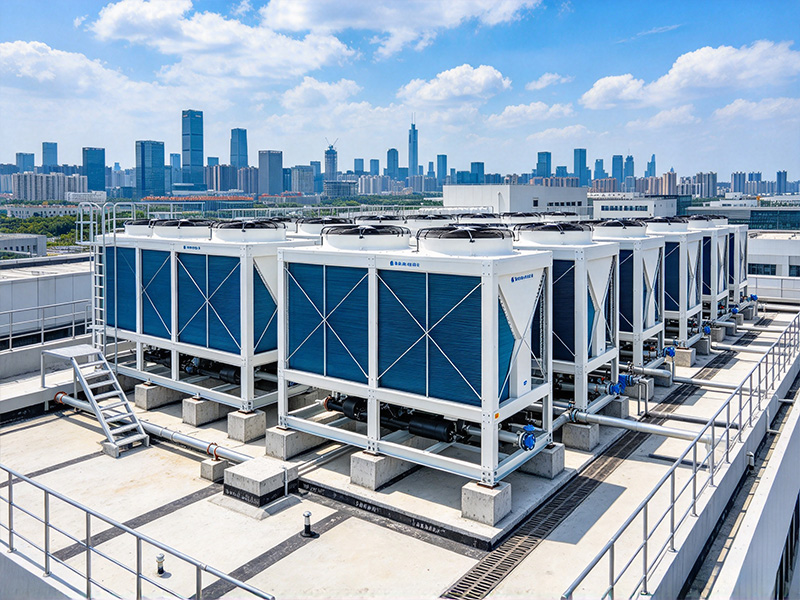
Many dry coolers use several fans across one or more heat exchanger sections. The array provides airflow over a broad coil face, but each fan still operates within the airflow field created by the equipment around it. A poorly arranged or obstructed intake can produce uneven flow, leaving some coil areas with less air movement than intended.
Airflow distribution matters because the dry cooler depends on both the air side and the liquid side of the heat exchanger. If the air path is uneven, part of the coil may contribute less to heat transfer. The fan array should therefore be considered with the coil dimensions, casing, inlet, discharge, and installation environment.
Keep intake and discharge paths open
Check that outdoor air can reach the fan inlets without avoidable blockage. Nearby walls, roof edges, screening, pipework, and stored materials can change the way air enters the unit. On the discharge side, structures that trap or redirect warm air can cause recirculation, in which heated discharge returns to the coil inlet.
Warm-air recirculation can reduce the effective temperature difference between the circulating liquid and the air entering the coil. The fans may continue to run, but the unit can reject less heat than expected. A site inspection should consider the dry cooler's clearances and nearby equipment under realistic operating conditions, including whether adjacent units run simultaneously.
Coordinate fan spacing and operation
Fan spacing, mounting geometry, and the intended direction of airflow should follow the dry cooler manufacturer's design. Changing a fan, grille, guard, or panel may alter the local flow and should not be treated as a purely mechanical substitution. For multi-fan equipment, confirm that replacement fans have the required rotation and that the controller assigns them to the correct stages.
When the system uses several fans, staged or variable-speed operation can help match airflow to demand. The sequence should be stable and coordinated with the liquid temperature control. Starting only one section of a large coil may produce an operating condition different from running the full fan array, so the sequence should be reviewed against the manufacturer's instructions.
Assess the installation before adding capacity
If a dry cooler struggles to maintain temperature, adding or upsizing fans is not the first step. First check whether the current airflow is obstructed, whether warm discharge air is returning to the inlet, and whether the coil is clean. Also confirm liquid flow and system heat load. These checks help distinguish a fan limitation from a site or heat exchanger problem.
Any layout change should be evaluated for pressure drop, fan operating point, electrical load, sound, and mechanical support. A qualified engineer can assess whether the air path needs modification or whether the fan selection should change. The goal is to deliver even, adequate airflow across the coil while keeping the unit within its rated limits.