
















 English
 Français
 Deutsch
 Português
 Español
 русский
 한국어
 العربية
 Italiano
 Indonesia
 Schweiz
 Polski
 Nederlands
 ישראל - עברית
 Perzisch
 ไทย
 日本語
 ኢትዮ-አማርኛ
 Việt Nam
 Kiswahili
 Srpski
 Ελληνικά
 繁體中文
Dry Cooler Fan Replacement What to Check Before a Retrofit
10/20/2026Identify the installed equipment
Start by recording the dry cooler manufacturer, model, serial number, and fan position. Photograph the fan label, wiring connections, mounting arrangement, and airflow direction. If the label is damaged or missing, check service records or contact the equipment supplier with the unit details. A partial model code is not enough to confirm a compatible replacement.
Document why the fan is being changed. A failed motor, damaged impeller, obsolete control interface, excessive noise, or a change in operating duty can lead to different replacement requirements. The original specification may no longer match the site's current conditions, so the reason for replacement should be clear before comparing models.
Confirm performance and physical compatibility
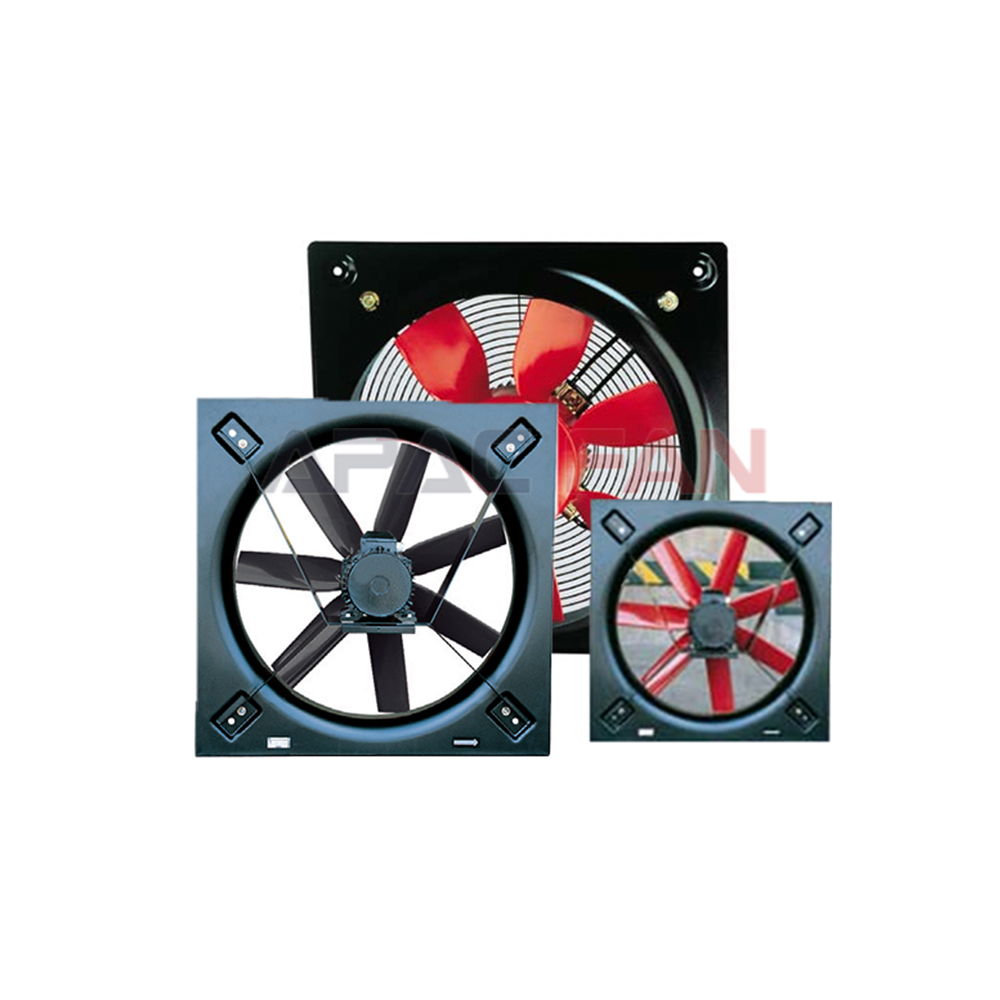
A replacement has to deliver the required airflow at the dry cooler's system pressure. Compare the fan curve at the intended speed, not just a free-air airflow figure. Check the fan's rotation, airflow direction, diameter, depth, mounting holes, clearances, and connection to any housing or mounting ring. A small difference can affect fit, service access, or performance.
Do not assume that a fan with a higher nominal airflow is automatically a better replacement. It may draw more power, create additional noise, disturb the intended air distribution, or operate outside the motor's limits. Verify the unit's design duty and, when available, the dry cooler manufacturer's approved replacement information.
Verify electrical and control requirements
Match the supply voltage, phase, frequency, rated current, wiring arrangement, protection, and connection method. If the original fan uses speed control or communicates with a controller, verify the signal type and the expected response. A replacement with a different motor technology may require changes to wiring or controls, which should be reviewed by a qualified technician.
Confirm environmental and mechanical limits for the exact model, including permitted ambient temperature, mounting position, and protective requirements. Use current manufacturer documentation for installation and commissioning. If a fan is being integrated into an existing control system, verify alarms, feedback, fail-safe behavior, and startup sequence before the unit is returned to service.
Commission the replacement as part of the system
After installation, confirm that the fan rotates in the intended direction, moves air in the required direction, and has unobstructed clearance. Check the connection and protective devices, then observe the unit through the approved startup procedure. Record the operating state, fan command or speed, and relevant liquid temperatures so the replacement can be evaluated against the system requirement.
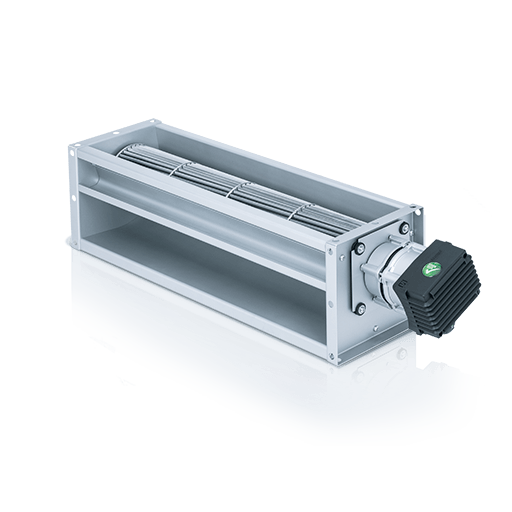
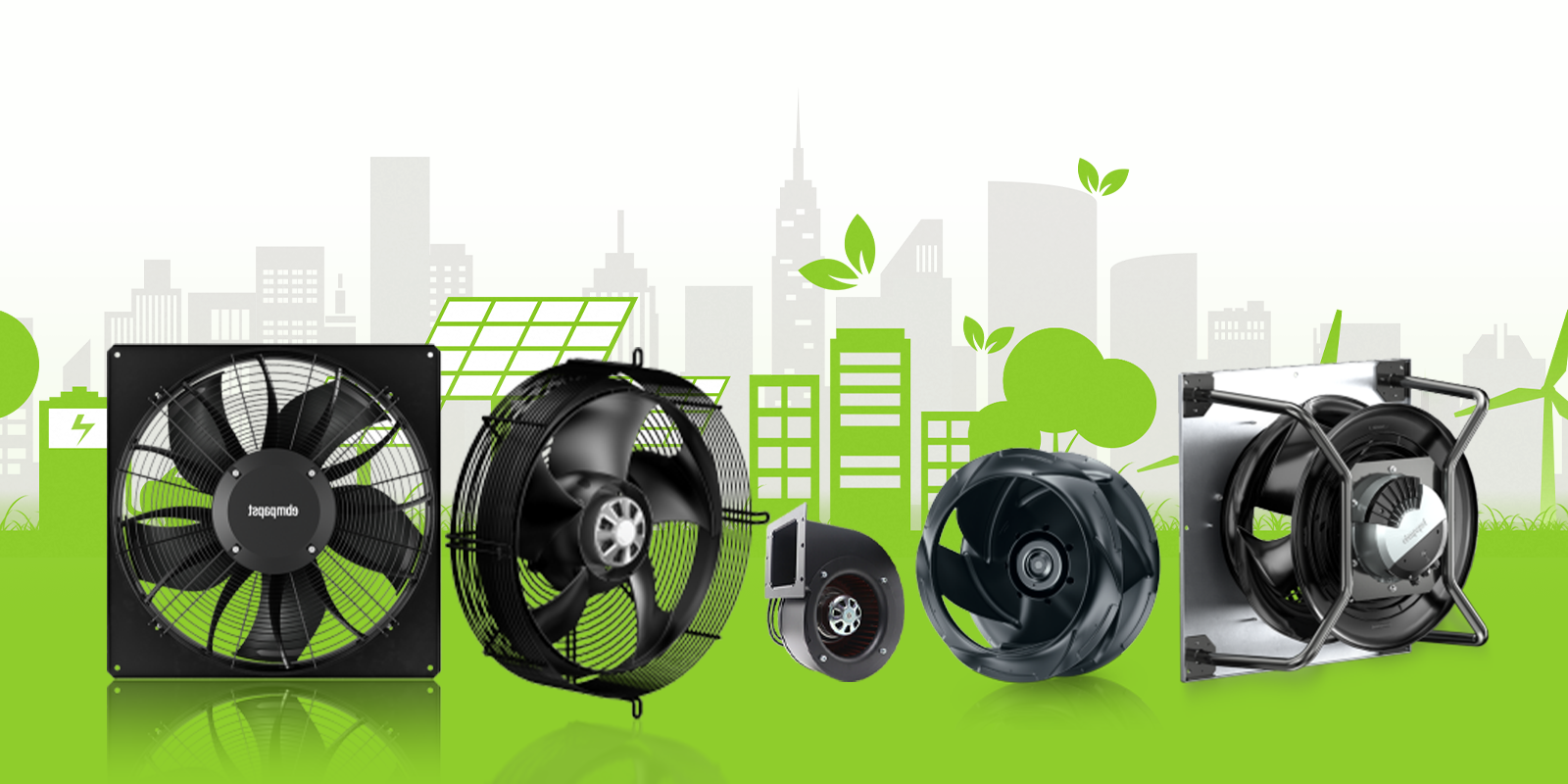
Brands such as ebm-papst may be considered when reviewing replacement options, but a brand name alone does not establish a direct equivalent. Compare the complete technical data for the exact proposed model with the installed duty and the equipment maker's requirements. If those data are unavailable, request a cross-reference or engineering review before ordering.