












 English
 Français
 Deutsch
 Português
 Español
 русский
  한국어
한국어 العربية
 Italiano
 Indonesia
 Schweiz
 Polski
 Nederlands
 ישראל - עברית
 Perzisch
 ไทย
ไทย 日本語
日本語 ኢትዮ-አማርኛ
 Việt Nam
 Kiswahili
 Srpski
 Ελληνικά
 繁體中文
繁體中文Energy-Saving HVAC and Exhaust Fan Upgrade for an Electronics Manufacturing Plant
07/16/2026Electronics manufacturing and packaging plants rely on process HVAC and exhaust systems to maintain stable production conditions. Reliable airflow helps control temperature and humidity, deliver filtered supply air, remove process-generated contaminants, and protect sensitive equipment and products.
AISA PACIFIC SHENGRUI LIMITED carried out a targeted fan-system upgrade for an electronics manufacturing and packaging facility. The project focused on improving energy efficiency, airflow stability, operational reliability, and maintainability without replacing the entire HVAC and exhaust system.
By assessing actual operating requirements and upgrading the main sources of inefficiency, the retrofit provided a practical way to improve system performance while minimizing disruption to continuous production.
Airflow Requirements in Electronics Manufacturing
Electronics manufacturing processes can be sensitive to changes in temperature, humidity, airborne particles, and local air quality. Production stages such as component assembly, soldering, testing, cleaning, coating, and packaging may have different ventilation requirements.
Process HVAC systems must deliver adequate conditioned air to maintain the required indoor environment. Local exhaust systems may also be required to capture heat, fumes, odors, or other process emissions close to their source.
When airflow becomes unstable, production areas may experience uneven temperatures, poor humidity control, insufficient exhaust, or pressure imbalance. These conditions can affect production consistency, equipment reliability, employee comfort, and overall process control.
Limitations of the Existing Fan System
An aging fan system may continue running while consuming more energy than necessary. Efficiency can decline because of fixed-speed operation, incorrect fan-to-system matching, increasing filter resistance, contaminated components, excessive duct pressure loss, or mechanical transmission wear.
If fans operate continuously at full speed, they may deliver more airflow than required during periods of lower production demand. Excessive airflow not only wastes fan energy but may also increase the heating, cooling, filtration, and humidity-control load placed on the HVAC system.
Belt-driven fans introduce additional maintenance requirements. Belts, pulleys, bearings, and drive components require regular inspection, tension adjustment, alignment, lubrication, and replacement. As these parts wear, they can cause increased vibration, noise, efficiency loss, and unexpected equipment failure.
For a plant that depends on continuous production, these risks can lead to costly maintenance work and unplanned downtime.
Site Evaluation and Retrofit Planning
AISA PACIFIC SHENGRUI LIMITED evaluated the existing process HVAC and exhaust systems before developing the retrofit solution. The assessment considered required airflow, system resistance, pressure margin, duct configuration, filter conditions, equipment dimensions, electrical connections, and available maintenance space.
The engineering team also considered the different operating patterns of production, packaging, and local exhaust areas. Since ventilation demand can change according to production schedules, equipment load, filter resistance, and seasonal conditions, the upgraded system needed sufficient control flexibility.
Service access, alarm indication, control integration, and future adjustment requirements were included in the planning process. This ensured that the solution addressed both immediate performance issues and long-term operational needs.
High-Efficiency Fan Retrofit Solution
The retrofit focused on upgrading inefficient fans and control components while retaining existing HVAC and exhaust equipment that remained suitable for continued operation.
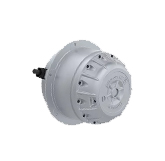
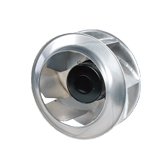
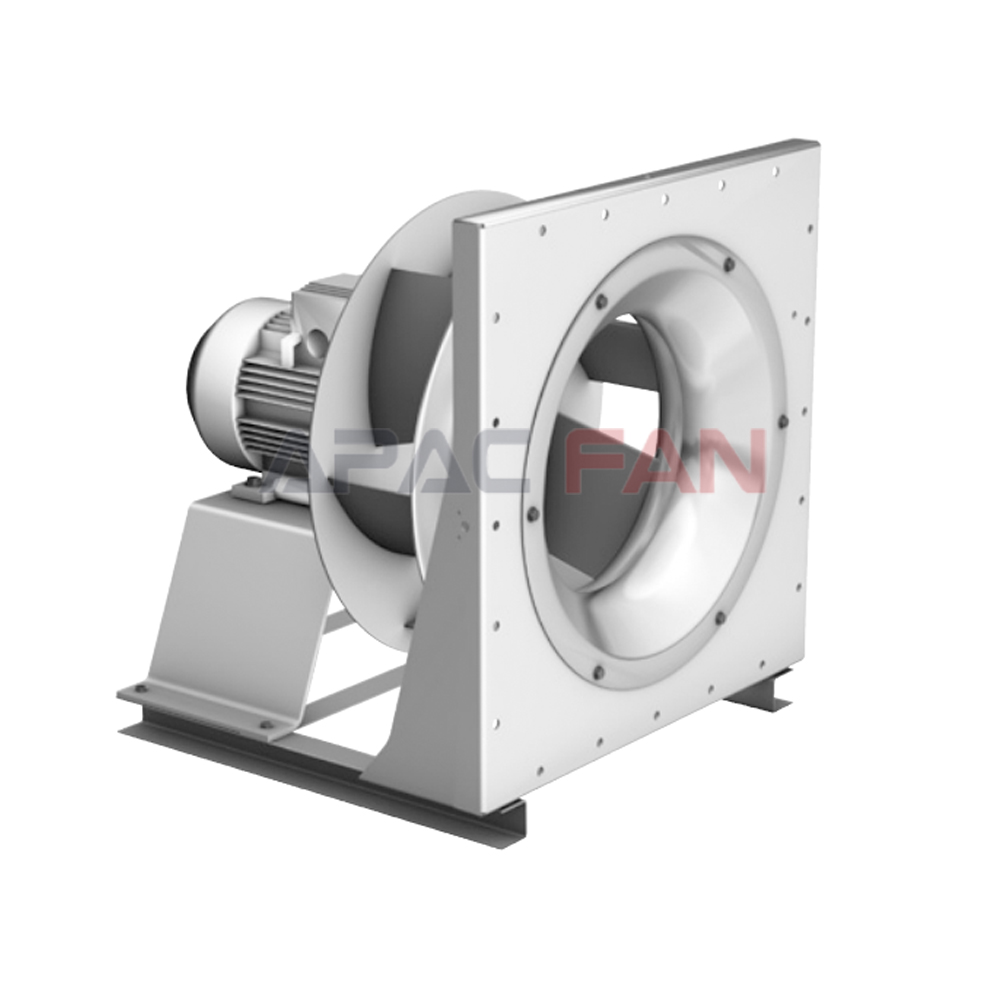
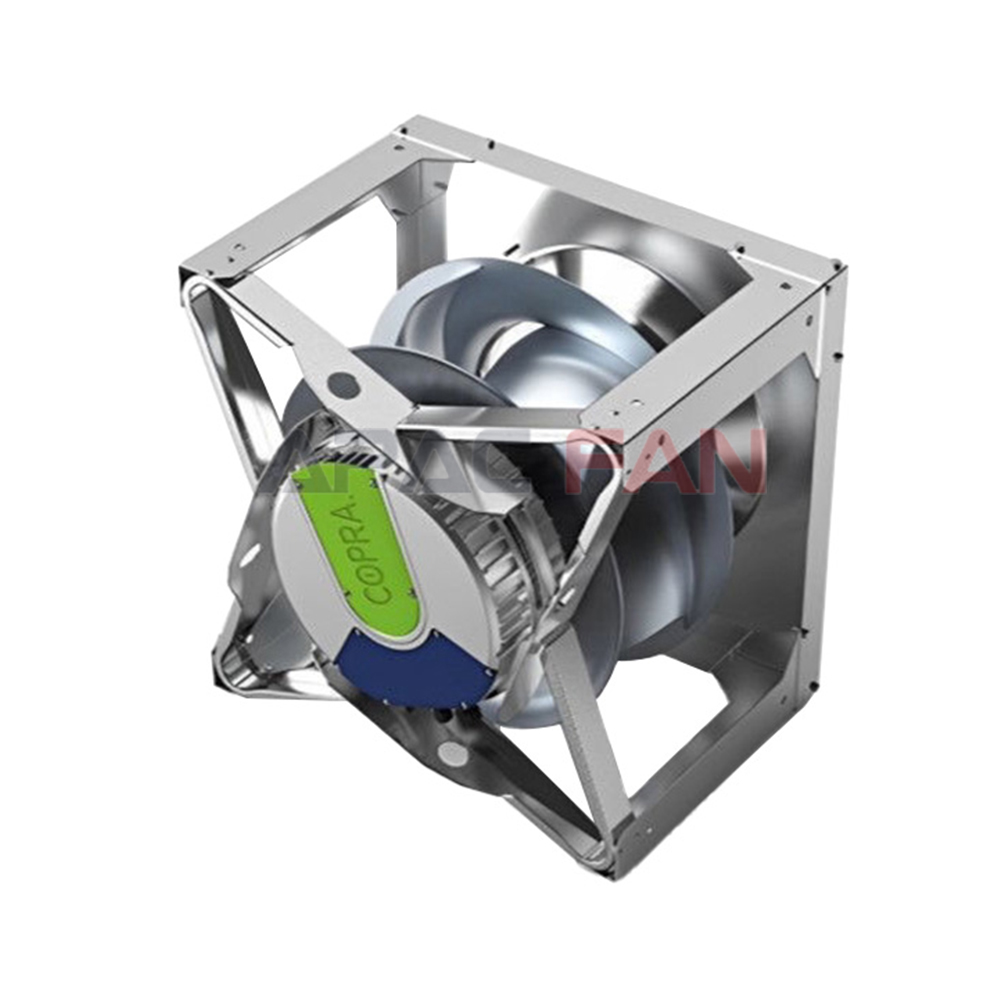
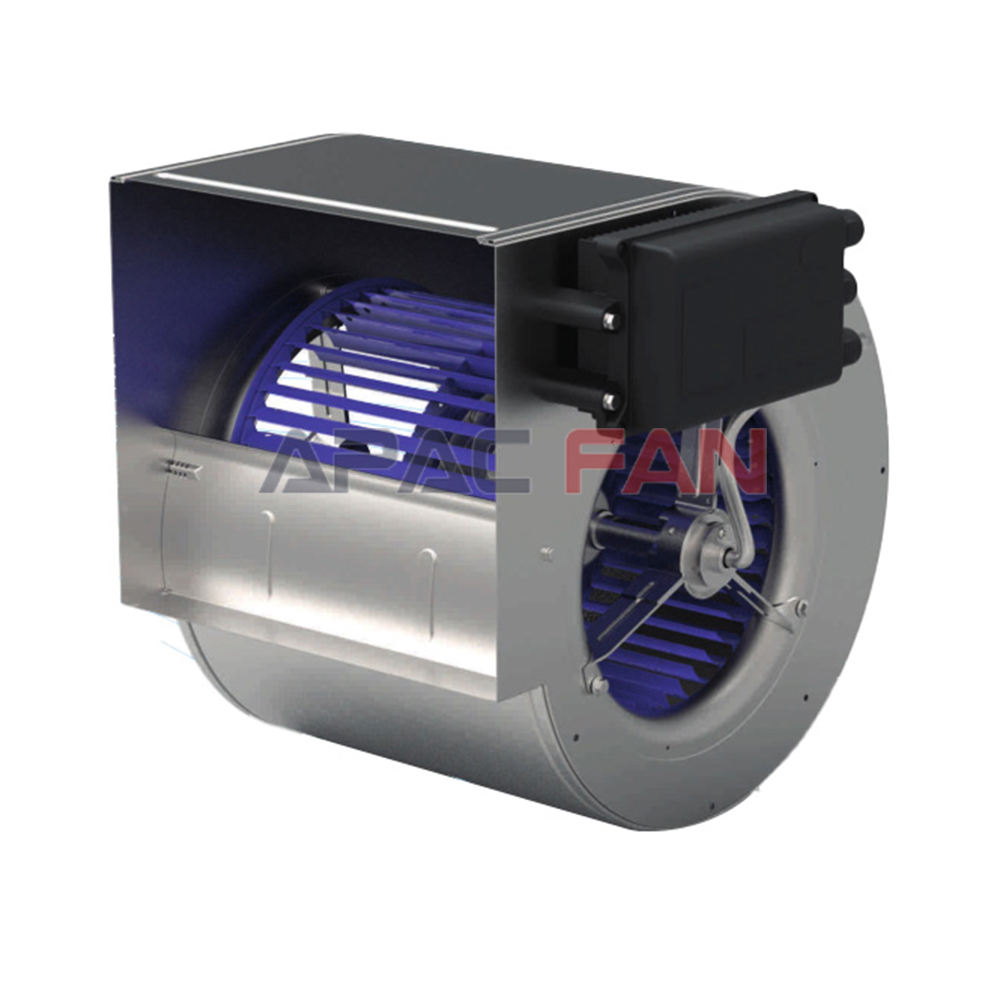
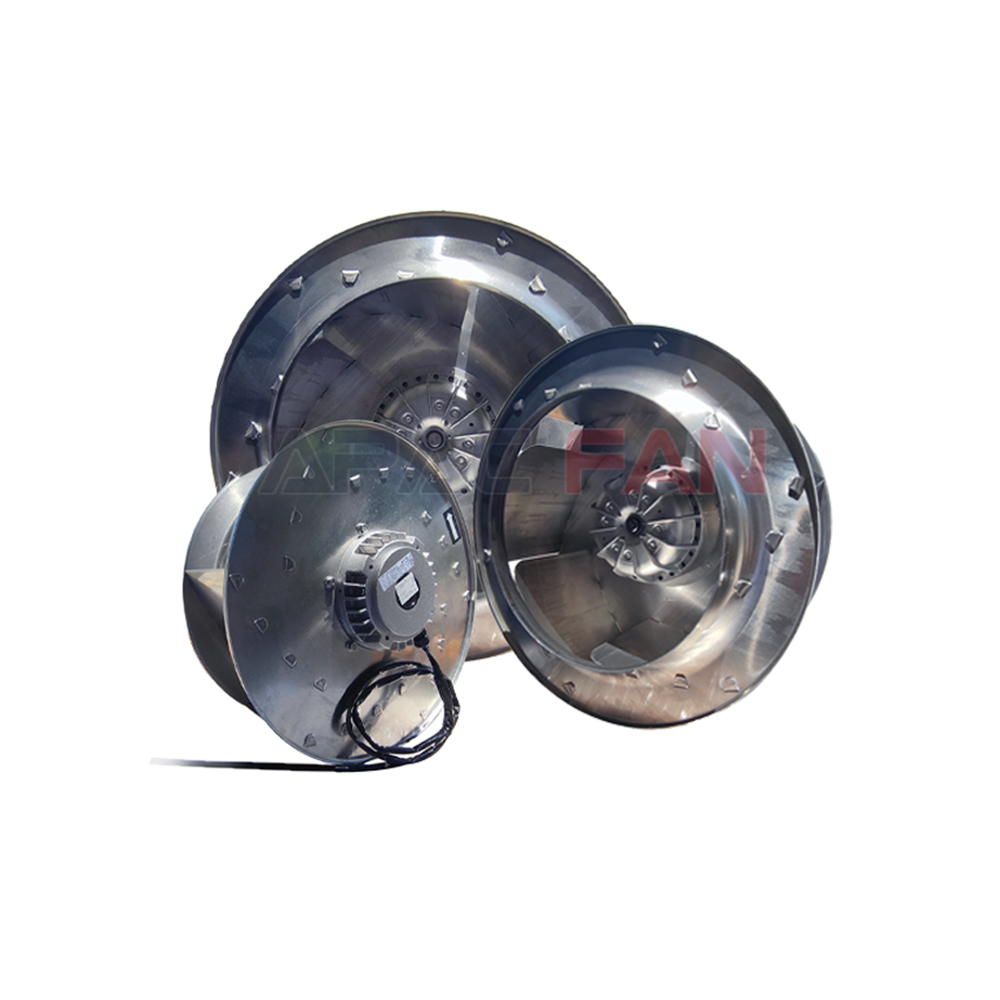
High-efficiency fans can reduce electrical consumption when they are properly selected according to the required airflow and system pressure. Direct-drive designs can further improve efficiency by removing the transmission losses associated with belts and pulleys.
The upgraded fan system was designed to provide more accurate airflow control and stable operation across changing load conditions. Instead of treating every production area as having the same ventilation demand, the system can be adjusted to match the requirements of different processes and operating periods.
This targeted approach helps avoid unnecessary oversizing and excessive energy consumption.
Variable-Speed Control Based on Actual Demand
Variable-speed control is one of the most effective ways to improve the efficiency of process HVAC and exhaust fans. Traditional fixed-speed fans generally provide the same output regardless of actual system demand.
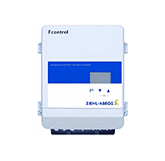
With variable-speed operation, fan output can be adjusted according to temperature, humidity, pressure, exhaust requirements, filter resistance, production status, or other control signals. During lower-load periods, the fan can operate at a reduced speed rather than consuming energy at full output.
Demand-based control is particularly valuable in electronics manufacturing plants because production loads can change between shifts, product lines, and process stages. Matching airflow to actual requirements helps reduce electricity consumption while maintaining the necessary environmental conditions.
Stable Temperature and Humidity Control
Process HVAC fans directly influence the distribution of conditioned air throughout a workshop. Inconsistent fan performance can create areas with temperature fluctuations, uneven humidity, or insufficient air circulation.
A properly matched fan upgrade can improve airflow distribution and help the HVAC system maintain more consistent environmental conditions. Stable supply air also supports more predictable operation of cooling coils, filters, humidification systems, and other air-handling components.
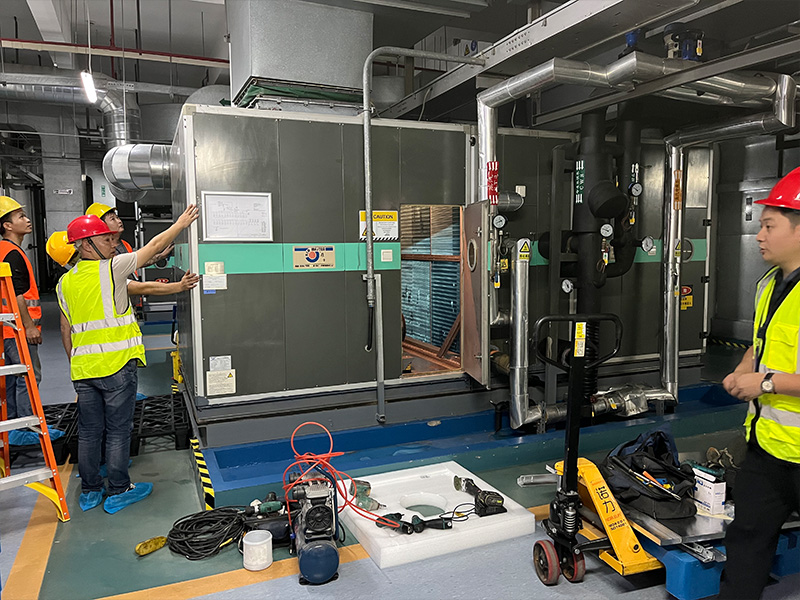
However, fan replacement alone does not determine production-area conditions. The complete system must also consider duct design, filtration, cooling capacity, humidity-control equipment, room pressure, and process requirements.
Improved Local Exhaust Performance
Local exhaust systems help remove heat, fumes, odors, or process-generated emissions before they spread into the wider workshop. Their effectiveness depends on sufficient capture velocity, correctly designed hoods and ducts, and reliable exhaust fan performance.
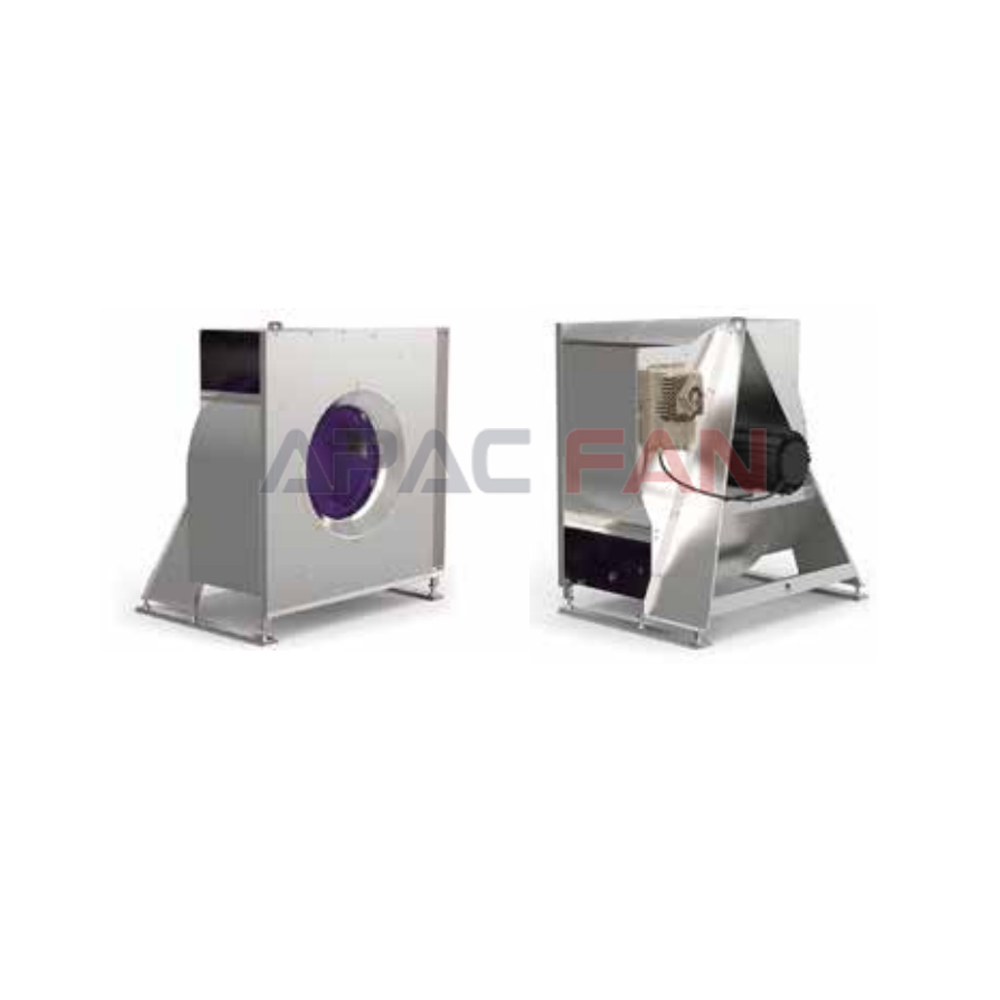
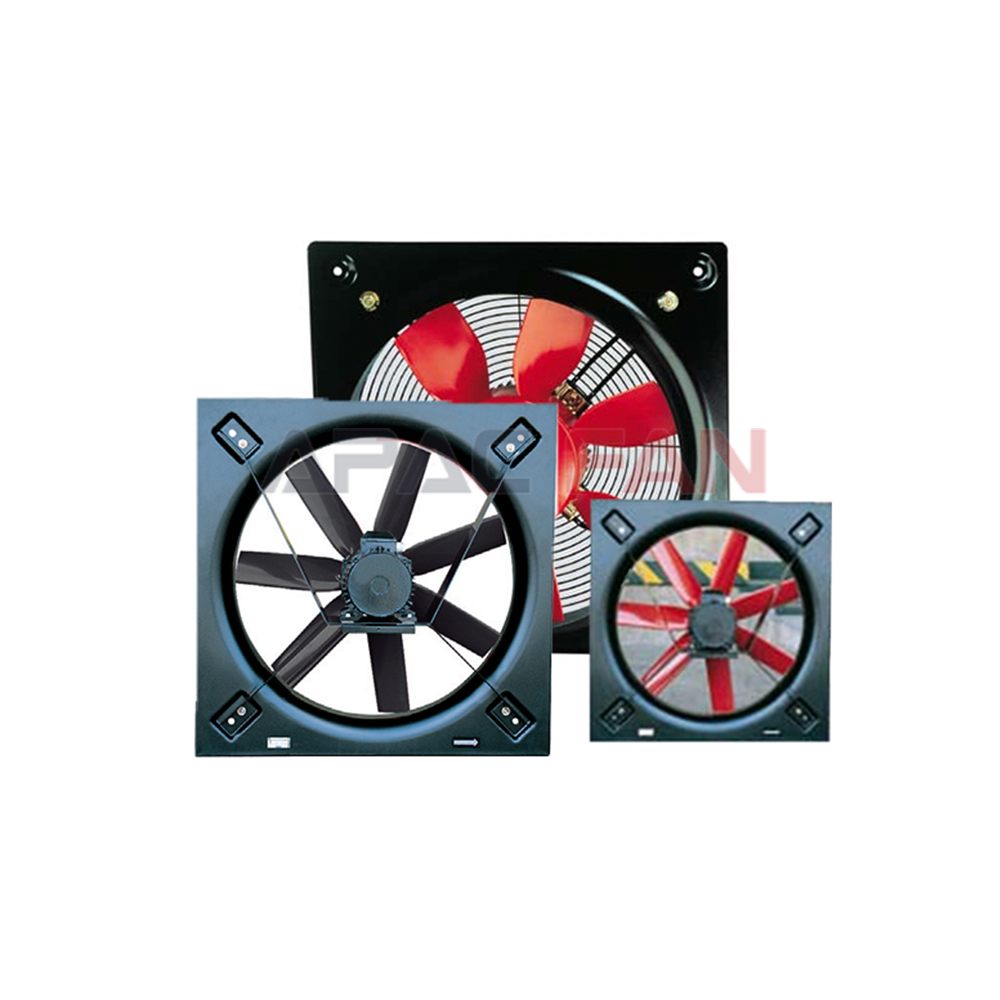
An upgraded exhaust fan must be selected according to actual airflow and pressure requirements. If the fan is undersized, it may not provide adequate capture performance. If it is significantly oversized, it may waste energy, create excessive noise, and disturb pressure relationships within the production area.
Better fan matching and speed control allow exhaust airflow to be adjusted according to the number of operating production lines or the actual process demand.
Reduced Noise and Vibration
Mechanical noise and vibration can increase as belts, bearings, pulleys, and other drive components wear. Excessive fan speed and poor system matching may also create aerodynamic noise and structural vibration.
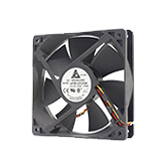
High-efficiency direct-drive fans can reduce the number of mechanical transmission components in the system. Variable-speed control can further reduce noise by allowing fans to operate below maximum speed when full airflow is unnecessary.
Lower vibration helps protect connected ductwork and equipment while creating a more stable working environment for operators.
Easier Maintenance and Greater Reliability
Maintenance accessibility was a key consideration in the retrofit design. Electronics manufacturing facilities need fan systems that can be inspected, cleaned, and serviced efficiently without causing lengthy production interruptions.
Reducing the number of belts, pulleys, and other wear components can simplify routine maintenance. Improved alarm and monitoring functions can also help maintenance teams detect abnormal operation before it develops into a major failure.
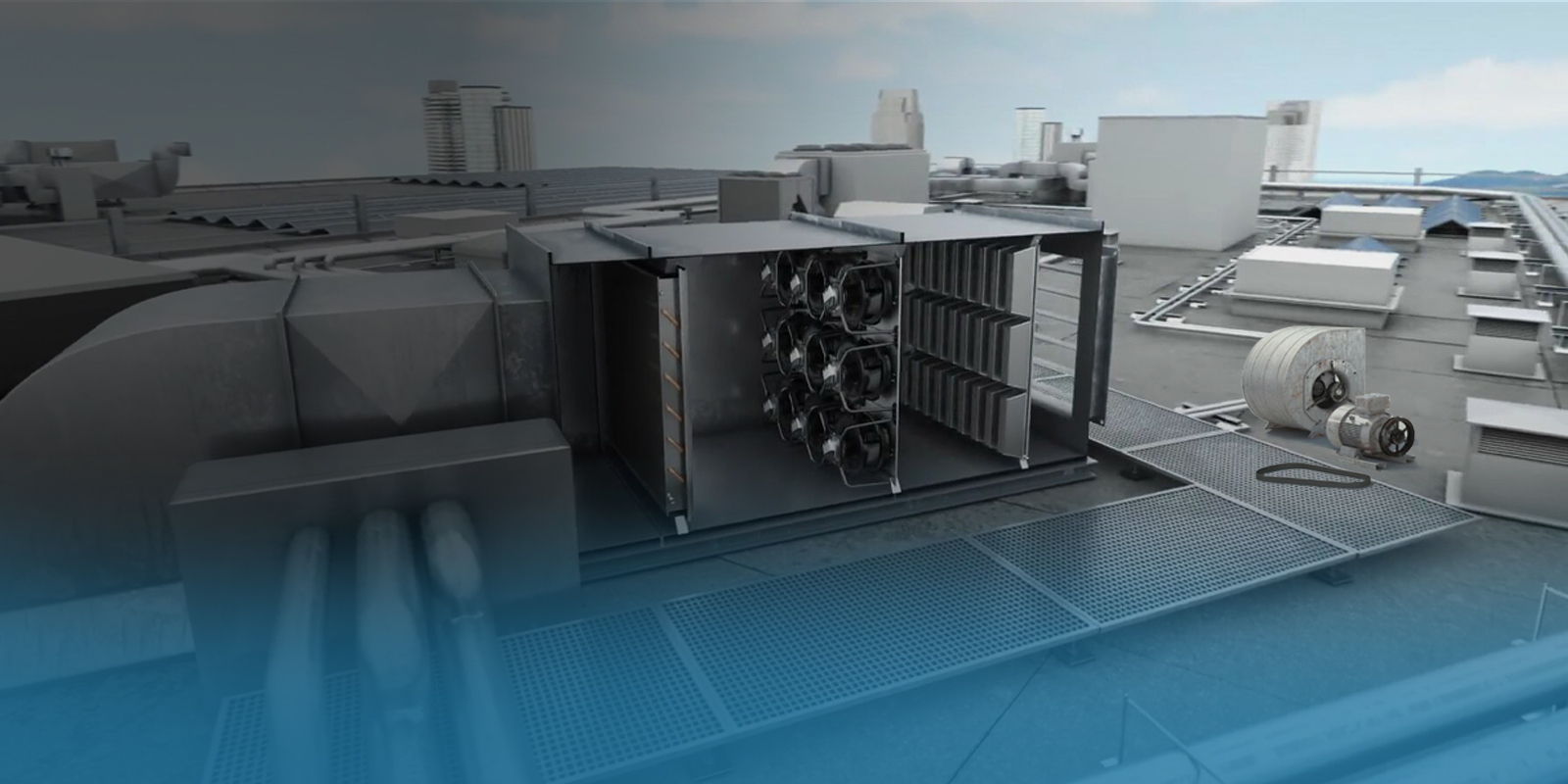
Where a modular fan arrangement is used, individual fan units may be inspected or serviced more easily than one large centralized fan. Depending on the design, the remaining fans may maintain partial airflow if one unit requires maintenance, improving system redundancy and production reliability.
Advantages of a Targeted Upgrade
Replacing an entire process HVAC or exhaust system may require extensive changes to ductwork, structural supports, electrical infrastructure, and workshop layouts. It may also cause extended shutdowns that are difficult to arrange in a production-intensive electronics facility.
A targeted fan retrofit retains serviceable equipment while addressing the main sources of energy waste, airflow instability, limited control, and maintenance difficulty. This can reduce implementation time, control capital expenditure, and minimize disruption to production.
The approach is particularly suitable when the existing air-handling units, exhaust ducts, and supporting structures remain functional but the fans and control system no longer meet current efficiency or reliability expectations.
Long-Term Operational Value
The value of the retrofit extends beyond immediate energy reduction. Improved airflow control allows facility teams to respond more effectively to changes in production schedules, thermal loads, filter resistance, and seasonal conditions.
Better monitoring and alarm capabilities support faster troubleshooting and more informed maintenance planning. Reduced mechanical complexity can also lower the risk of belt failure, alignment problems, and vibration-related damage.
Together, these improvements can provide more stable operation, lower maintenance exposure, and better lifecycle performance for the plant’s HVAC and exhaust systems.
Conclusion
The fan upgrade demonstrates how an electronics manufacturing and packaging plant can improve process HVAC and exhaust performance without replacing the complete system.
Through site evaluation, efficient fan selection, variable-speed control, and improved maintainability, AISA PACIFIC SHENGRUI LIMITED developed a retrofit solution focused on energy efficiency, airflow stability, environmental control, and production reliability.
For electronics manufacturing facilities operating aging HVAC or exhaust equipment, a targeted fan retrofit can be a cost-effective way to reduce energy consumption and support more dependable production conditions.