









 English
 Français
 Deutsch
 Português
 Español
 русский
  한국어
한국어 العربية
 Italiano
 Indonesia
 Schweiz
 Polski
 Nederlands
 ישראל - עברית
 Perzisch
 ไทย
ไทย 日本語
日本語 ኢትዮ-አማርኛ
 Việt Nam
 Kiswahili
 Srpski
 Ελληνικά
 繁體中文
繁體中文Energy-Saving Ventilation Fan Upgrade for a Dairy Processing Plant
07/16/2026Dairy processing facilities require stable temperature, humidity, and airflow conditions to support hygienic production, employee comfort, and continuous operation. Ventilation equipment must often run for extended periods, which means inefficient fans can significantly increase energy consumption and maintenance costs.
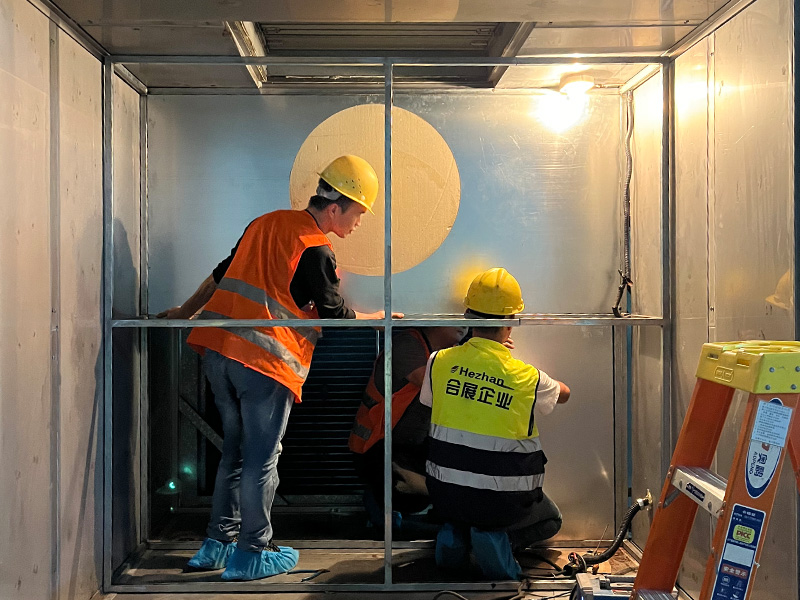
AISA PACIFIC SHENGRUI LIMITED provided a targeted ventilation fan upgrade for a dairy processing plant. The project focused on improving the airflow system serving clean production areas while retaining existing equipment that remained suitable for continued use.
The retrofit was developed around several key requirements: reliable airflow, stable environmental conditions, lower energy consumption, reduced noise, easier maintenance, and minimal disruption to production. By upgrading the fan and control system instead of replacing the entire ventilation installation, the plant gained a more efficient and manageable solution.
Ventilation Challenges in Dairy Processing Facilities
Dairy production involves processes such as raw-material handling, pasteurization, filling, packaging, cleaning, and cold storage. These activities can generate heat, moisture, odors, and variations in indoor environmental conditions.
Clean production areas require controlled airflow to help maintain appropriate temperature and humidity levels. Ventilation instability may affect employee comfort, create condensation risks, increase the load on cooling equipment, or make it more difficult to maintain consistent production conditions.
Because many dairy plants operate continuously or follow demanding production schedules, ventilation fans may run for long hours. Even a small efficiency loss can result in substantial energy waste over time.
Problems Associated with Aging Fan Systems
An older fan system may continue operating without an obvious mechanical failure, but its overall performance can gradually decline. Fixed-speed operation, poor fan selection, accumulated contamination, excessive pressure loss, and worn mechanical components can all reduce efficiency.
When fans operate at full speed regardless of actual demand, they consume unnecessary electricity during periods of lower production load. The system may also be unable to respond efficiently to changes in indoor temperature, humidity, filter resistance, or production schedules.
Belt-driven equipment can create additional maintenance requirements. Belts, pulleys, bearings, and drive assemblies require regular inspection, adjustment, alignment, lubrication, and replacement. Worn components may also increase vibration, mechanical noise, and the risk of unexpected downtime.
These hidden operating costs can accumulate throughout the service life of the ventilation system.
Evaluating the Existing Airflow System
Before recommending the upgrade, AISA PACIFIC SHENGRUI LIMITED evaluated the actual operating requirements and installation conditions of the dairy processing plant.
The assessment considered required airflow, system resistance, available pressure, equipment dimensions, ductwork conditions, electrical connections, maintenance access, alarm functions, and future control requirements. Particular attention was given to the operating characteristics of clean production areas, where ventilation stability and production continuity are essential.
This site-based evaluation helped ensure that the upgraded fans could deliver the required performance without unnecessary oversizing or excessive power consumption.
A Targeted Fan Retrofit Solution
The retrofit focused on replacing inefficient fan components and improving system control while retaining serviceable parts of the original ventilation installation.
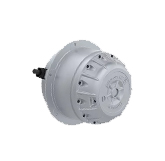
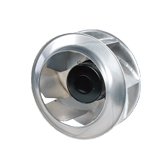
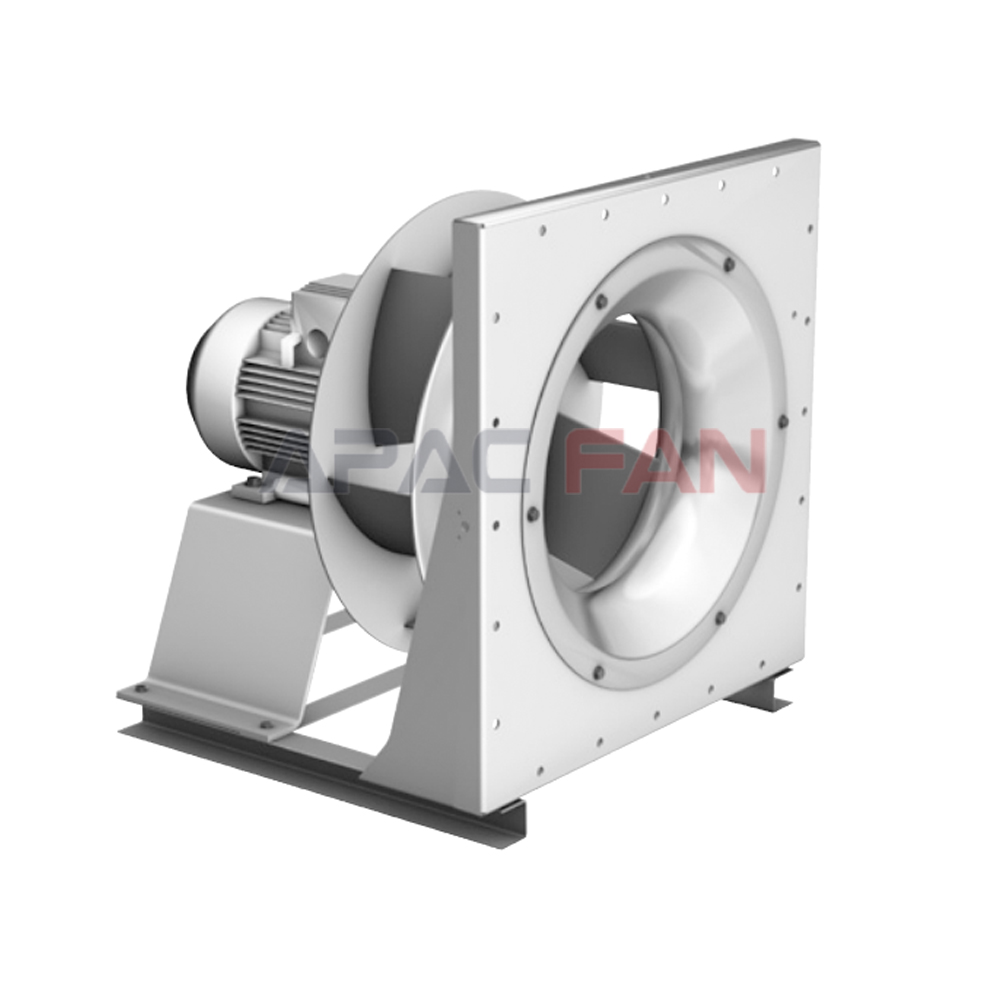
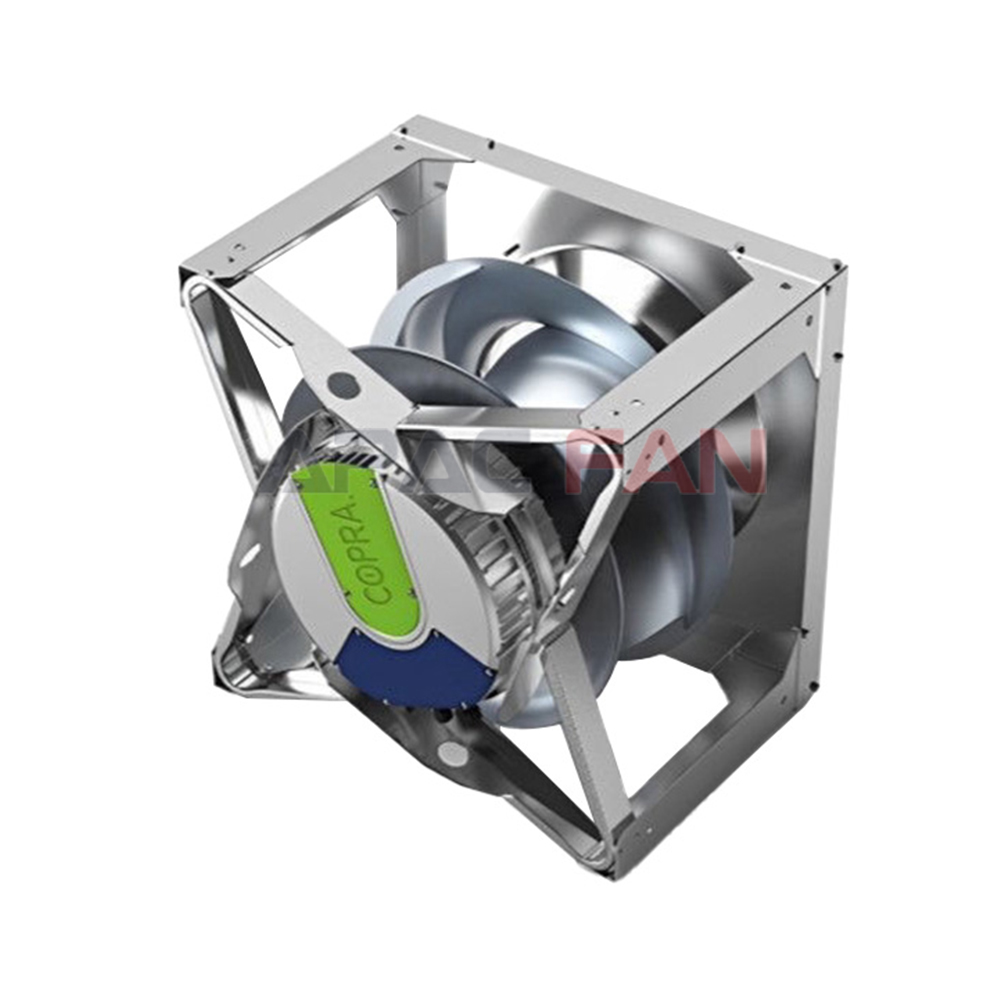
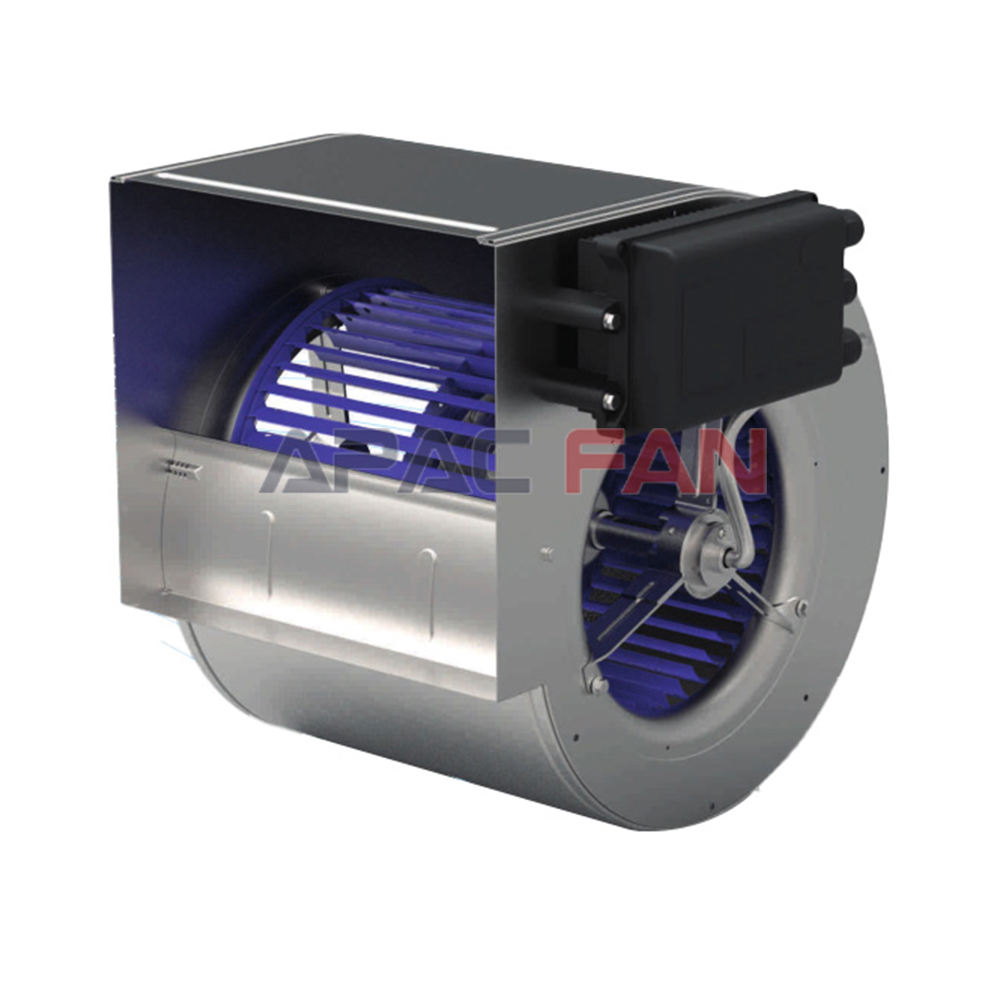
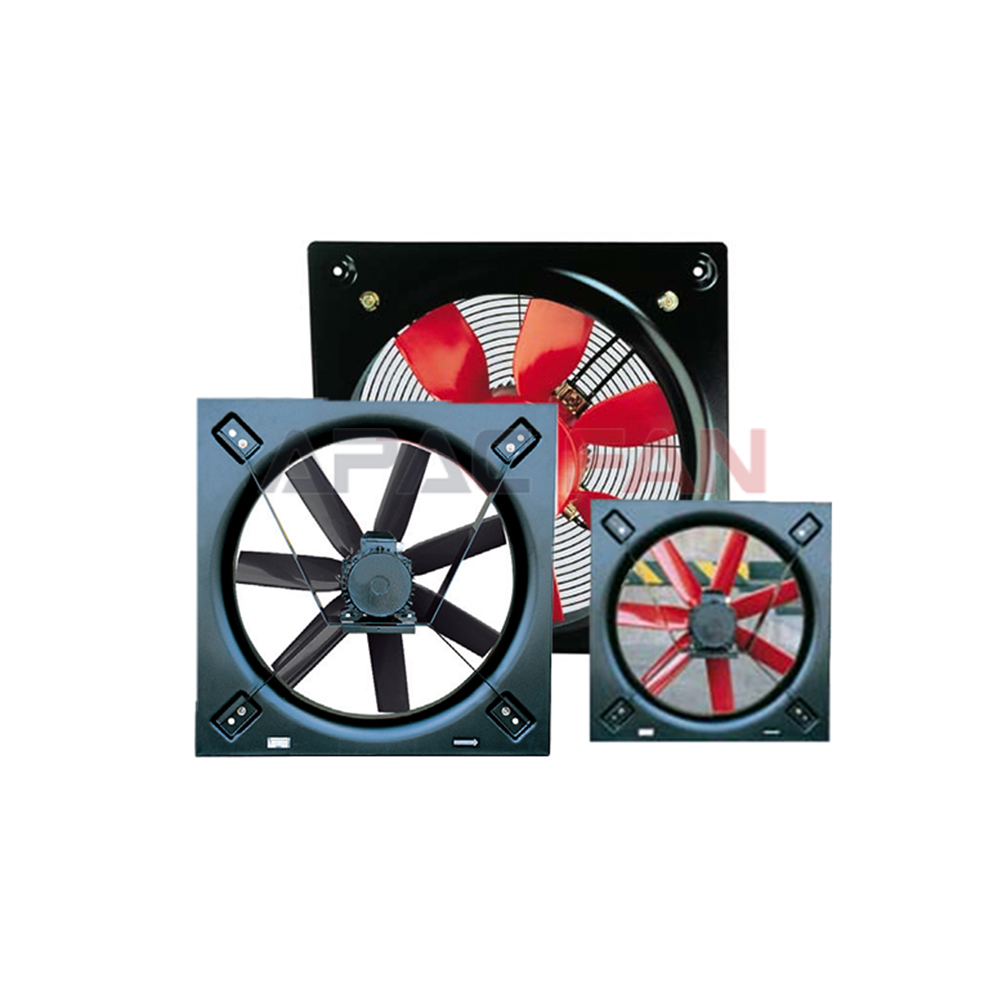
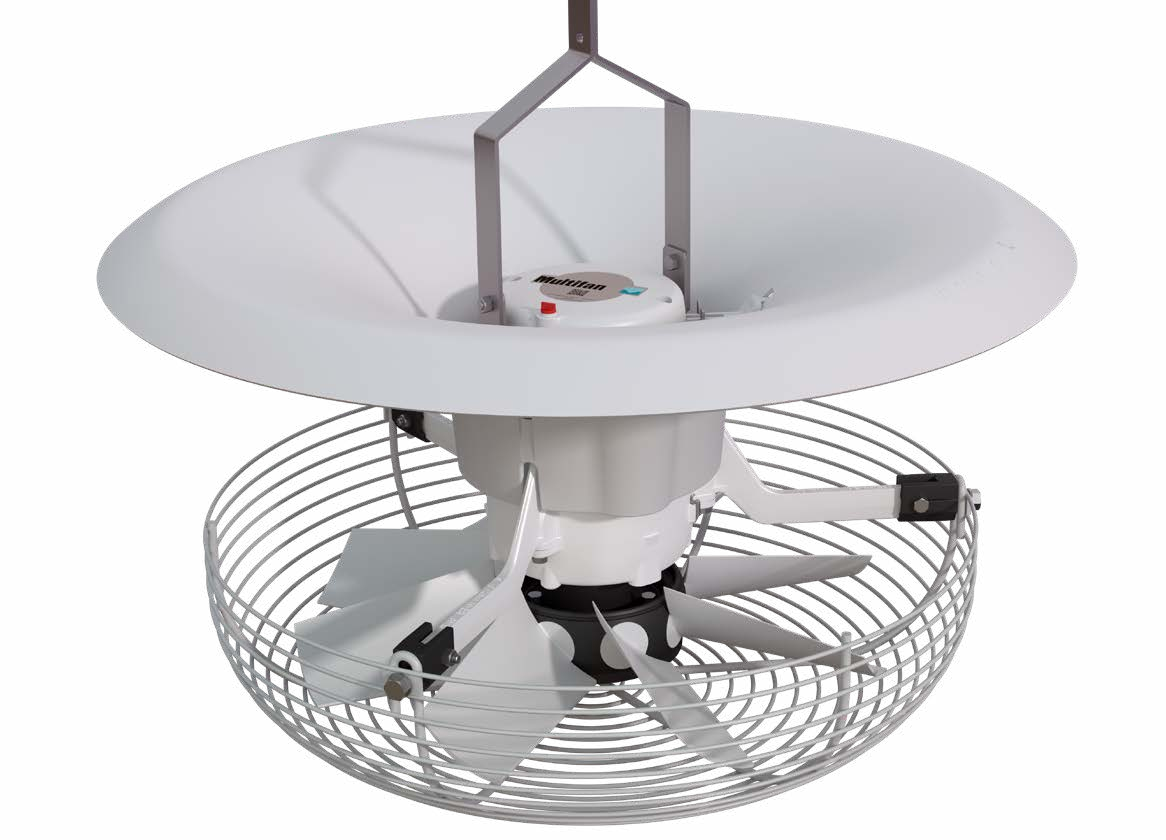
High-efficiency fans can provide the required airflow with lower electrical input when they are correctly matched to system resistance and operating conditions. Direct-drive configurations may also eliminate some of the transmission losses and maintenance requirements associated with belts and pulleys.
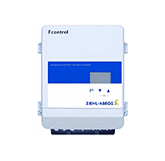
For areas with changing ventilation demand, variable-speed control allows fan output to be adjusted according to real operating conditions. Instead of running continuously at one fixed speed, the fans can increase or decrease their output as production load, temperature, humidity, or pressure conditions change.
This demand-based operation helps reduce unnecessary energy use while maintaining stable ventilation in production areas.
Supporting Clean and Stable Production Conditions
The purpose of a ventilation retrofit in a dairy processing plant extends beyond reducing electricity consumption. Airflow must remain stable enough to support the environmental requirements of production and packaging areas.
Improved airflow distribution can help reduce stagnant areas, excessive air movement, and uneven temperature conditions. Better fan control also allows the system to respond more effectively when production schedules or indoor heat and moisture loads change.
However, ventilation is only one part of hygienic environmental control. The final system design must also consider filtration, pressure zoning, cleaning procedures, condensation prevention, and applicable food-production standards.
A properly planned fan upgrade should therefore work with the plant’s wider ventilation and hygiene strategy.
Lower Noise and Improved Working Conditions
Ventilation noise can affect employees working long shifts in food-processing and packaging areas. Aging bearings, belt vibration, poor alignment, and fans operating continuously at excessive speed can all increase noise levels.
Efficient fan selection and variable-speed operation can help reduce unnecessary aerodynamic and mechanical noise. When ventilation demand is lower, fans can operate at a reduced speed instead of remaining at full output.
Reducing vibration can also protect connected equipment and ductwork while creating a more comfortable production environment.
Simplified Maintenance
Maintenance access and serviceability were important considerations in the retrofit plan. Dairy processing plants need ventilation equipment that can be inspected and serviced efficiently without causing unnecessary production interruptions.
Modern direct-drive fans can reduce reliance on belts, pulleys, and other mechanical transmission components. This lowers the number of wear parts requiring routine inspection and replacement.
An improved control and alarm system can also help maintenance teams identify abnormal operating conditions earlier. Faster fault identification supports planned maintenance and reduces the risk of unexpected ventilation-system downtime.
Why Retrofit Instead of Replacing the Entire System?
Replacing a complete ventilation system may require major changes to ductwork, structural supports, electrical infrastructure, and production-area layouts. It can also involve extended shutdowns that are difficult to arrange in a continuously operating dairy facility.
A targeted fan retrofit allows the plant to retain usable equipment while addressing the main sources of energy loss, limited control, noise, or maintenance difficulty. This can shorten the implementation period and reduce capital expenditure compared with a complete system replacement.
The retrofit approach is especially valuable when the existing air-handling structure and duct system remain suitable but the fan technology or control method no longer meets current operating requirements.
Long-Term Operational Value
The long-term benefits of a ventilation fan upgrade include lower energy consumption, improved control, reduced maintenance exposure, and more stable operation.
Variable-speed control allows facility teams to adapt fan performance to changes in production load, filter resistance, seasonal conditions, and operating schedules. Better monitoring and alarm functions can provide clearer information about system status and help maintenance teams respond more quickly to potential problems.
Over time, these improvements can support more predictable maintenance planning, lower operating costs, and greater ventilation reliability.
Conclusion
The dairy processing plant fan upgrade demonstrates how a targeted retrofit can improve ventilation performance without requiring full equipment replacement. By selecting efficient fan technology, improving speed control, and considering the specific needs of clean production areas, AISA PACIFIC SHENGRUI LIMITED delivered a solution focused on energy efficiency, stable airflow, lower noise, and easier maintenance.
For dairy and food-processing facilities with aging ventilation equipment, a carefully planned fan retrofit can provide a practical route toward lower operating costs and more reliable production conditions.