















 English
 Français
 Deutsch
 Português
 Español
 русский
 한국어
 العربية
 Italiano
 Indonesia
 Schweiz
 Polski
 Nederlands
 ישראל - עברית
 Perzisch
 ไทย
 日本語
 ኢትዮ-አማርኛ
 Việt Nam
 Kiswahili
 Srpski
 Ελληνικά
 繁體中文
Networked Room Ventilation in High Rise Buildings
11/02/2026A building with many separately used rooms does not always have one uniform ventilation demand. Meeting rooms, offices and other occupied areas can follow different schedules. Networked ventilation allows compatible equipment to exchange commands and operating information within a coordinated control arrangement.
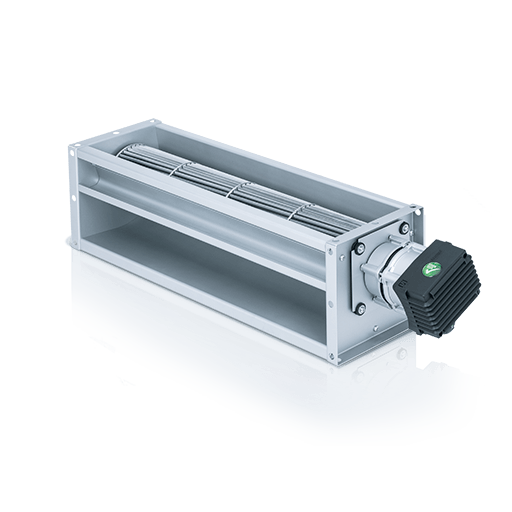
ebm-papst describes both individual room regulation and bus networks for ventilation systems, including high-rise buildings. This is an application possibility, not a statement that every fan has the same interface. The available functions must be checked for the exact product and controller.
Separate the air path from the communication path
A communication network carries information; ducts, openings and fans move air. Connecting devices electronically does not establish that each room receives the required airflow. The physical ventilation design still determines how outdoor air reaches the occupied area and how extract air leaves.
This distinction matters during a controls upgrade. A new network may provide clearer operating information while leaving a restricted duct or poorly balanced branch unchanged. Evaluate air delivery and communication as related but separate parts of the project.
Define what each room should do
Decide which signals will affect operation. Depending on the equipment and design, these may include a room schedule, occupancy input or an air quality measurement. Sensor location and the meaning of each input influence how useful the resulting control will be.
Specify the permitted operating range and the response when an input is missing or implausible. A demand signal should work within the building's ventilation requirements. It should not silently remove a necessary minimum ventilation function.
Verify the actual interface
Obtain the communication documentation for the selected fan or ventilation unit. Check the supported protocol, required hardware, addressing method and available data points. A general reference to a bus connection is insufficient for integration planning.
Some equipment accepts an analog speed command while providing a separate fault contact. Other products may support digital communication. Where an external controller or gateway is needed, compatibility must be verified across the complete signal chain.
Make faults useful to the operator
Decide which alarms should be visible and how the building operator should respond. A communication failure, an electrical fan fault and low measured airflow are different events. One status signal may not distinguish all three.
Commission the intended response to lost communication and restart after a power interruption. Where settings are stored in the device, retain the required configuration record. A physically compatible replacement can still need addressing or parameter setup before it participates correctly in the network.
Prepare fan and controls information together
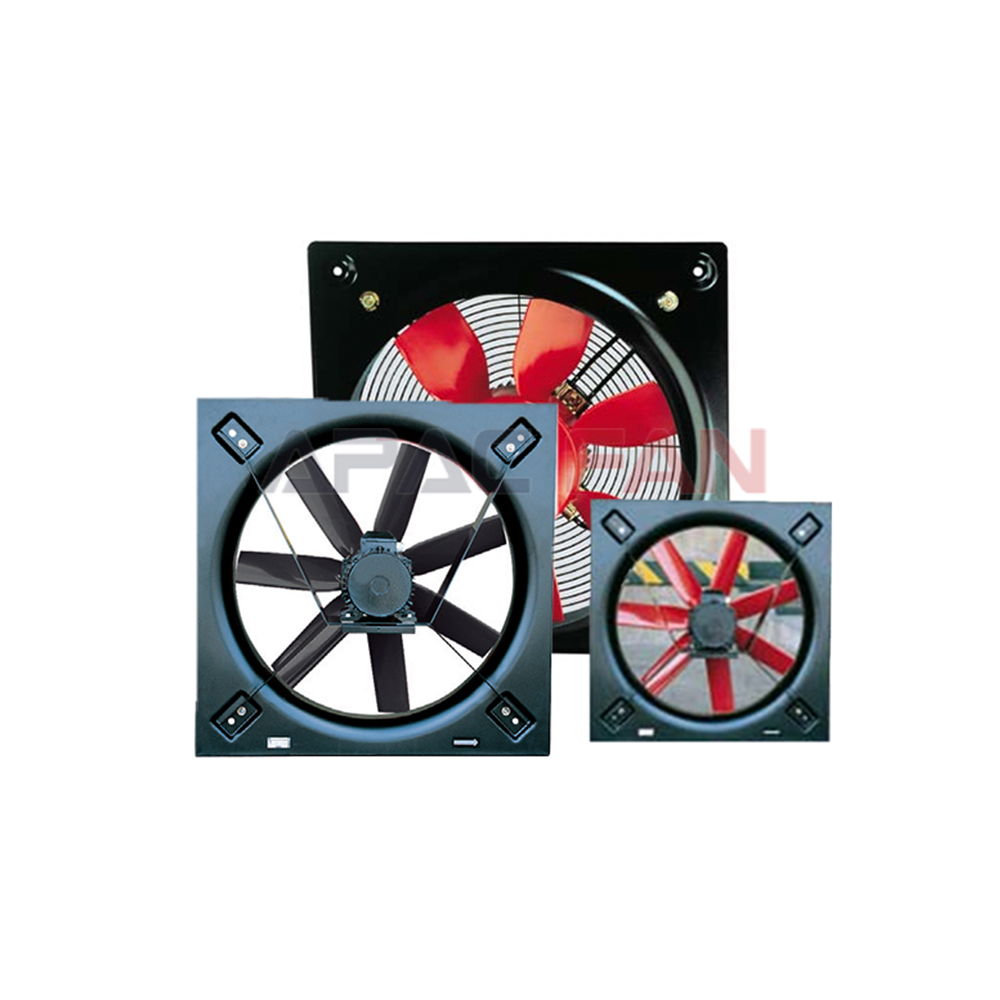
For APAC FAN selection support, provide the fan part number alongside the ventilation unit and controller details. Include the required interface, wiring diagram and any relevant alarm description, plus your email or WhatsApp number. This helps keep a replacement enquiry focused on both air movement and the functions the building actually uses.