















 English
 Français
 Deutsch
 Português
 Español
 русский
  한국어
한국어 العربية
 Italiano
 Indonesia
 Schweiz
 Polski
 Nederlands
 ישראל - עברית
 Perzisch
 ไทย
ไทย 日本語
日本語 ኢትዮ-አማርኛ
 Việt Nam
 Kiswahili
 Srpski
 Ελληνικά
 繁體中文
繁體中文Fans for CRAH and Precision Air Conditioning Units in Data Centers
08/27/2026The CRAH fan as the engine of room air cooling
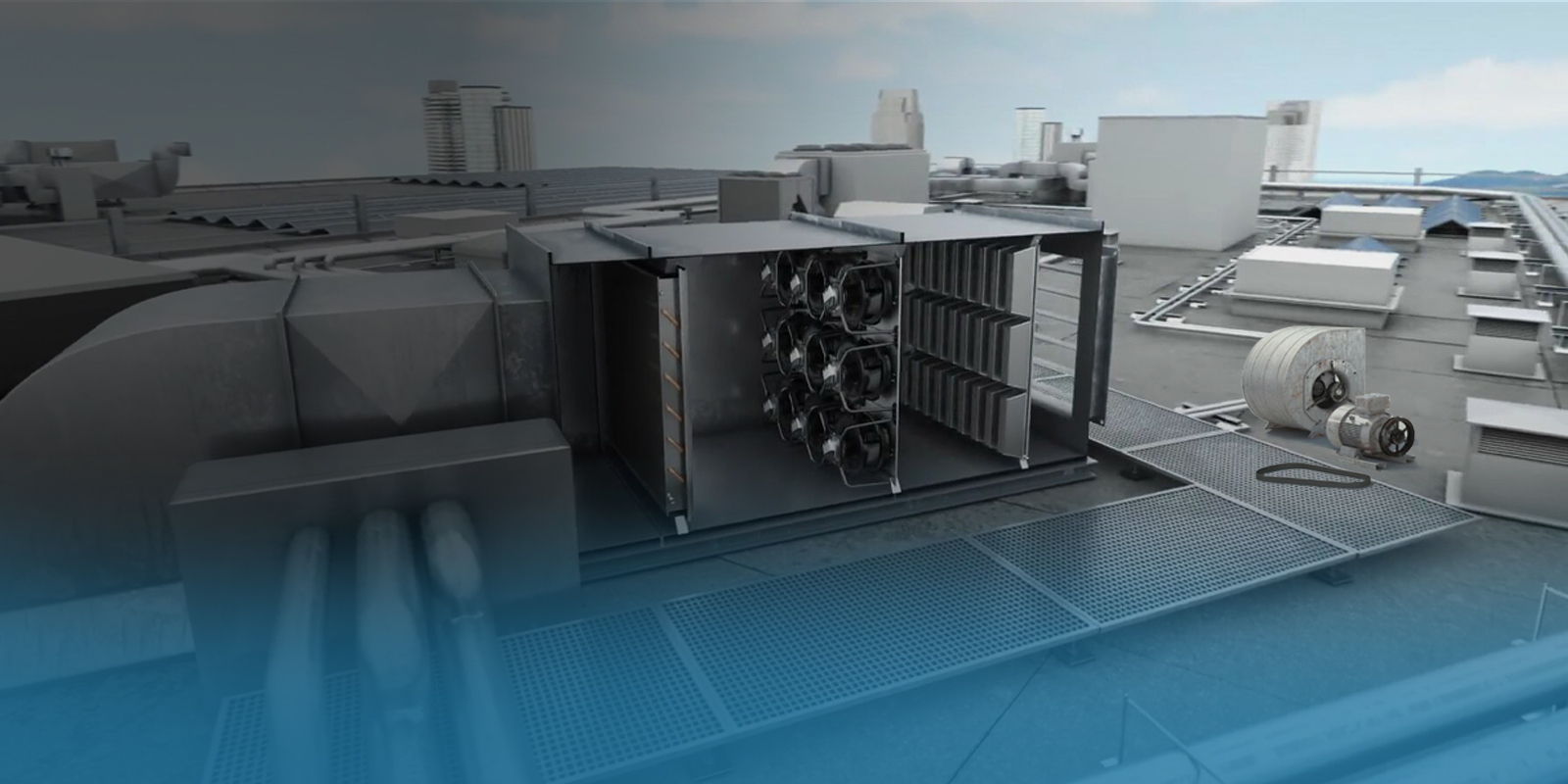
Computer room air handlers and precision air conditioning units remain central to many data center cooling designs. Even where liquid cooling is introduced, room air systems often continue to protect network equipment, storage, power electronics, and mixed-density racks. The fan inside the CRAH or precision unit is the engine that moves air through filters, coils, plenums, containment paths, and server inlets.
A CRAH fan application is demanding because it sits at the meeting point of mechanical design and IT reliability. It must overcome coil and filter pressure drop, respond to load changes, avoid unstable operation, and remain serviceable. It must also do all of this in a facility where small temperature deviations can produce alarms and where maintenance windows are limited.
Why centrifugal EC fans are often selected
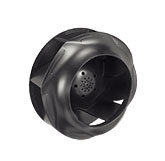
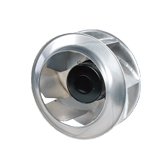
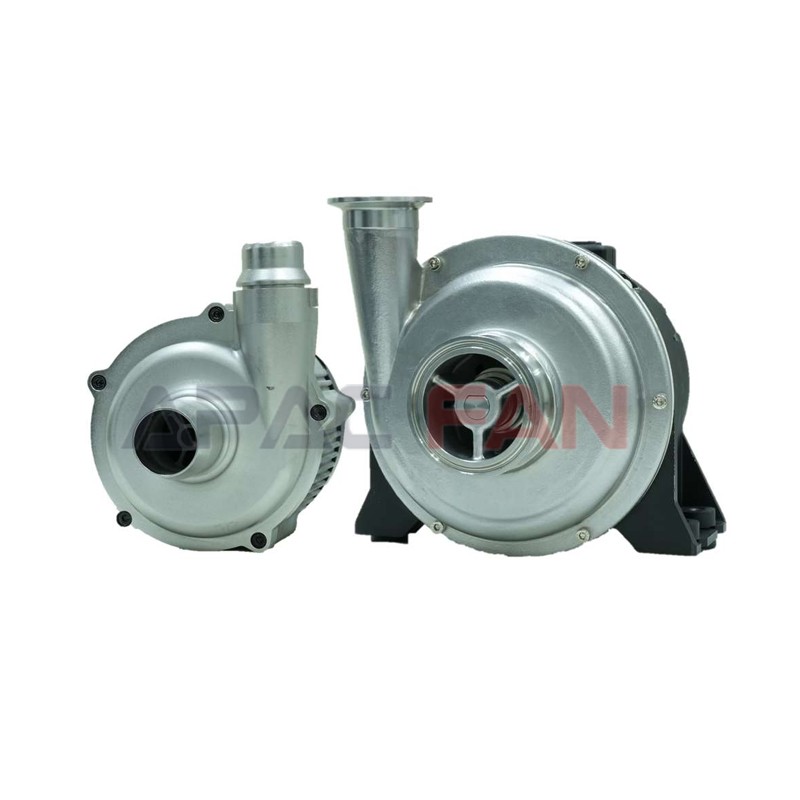
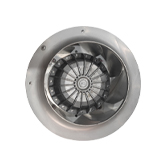
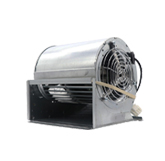
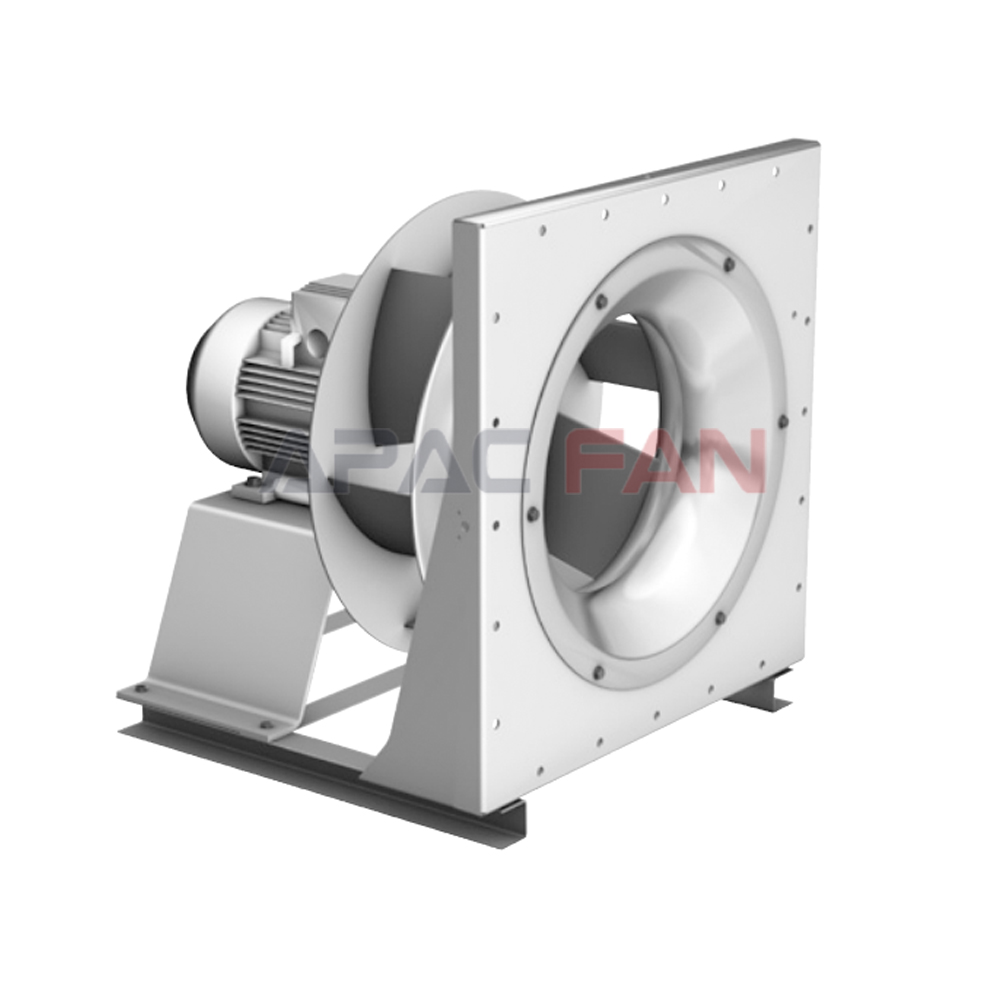
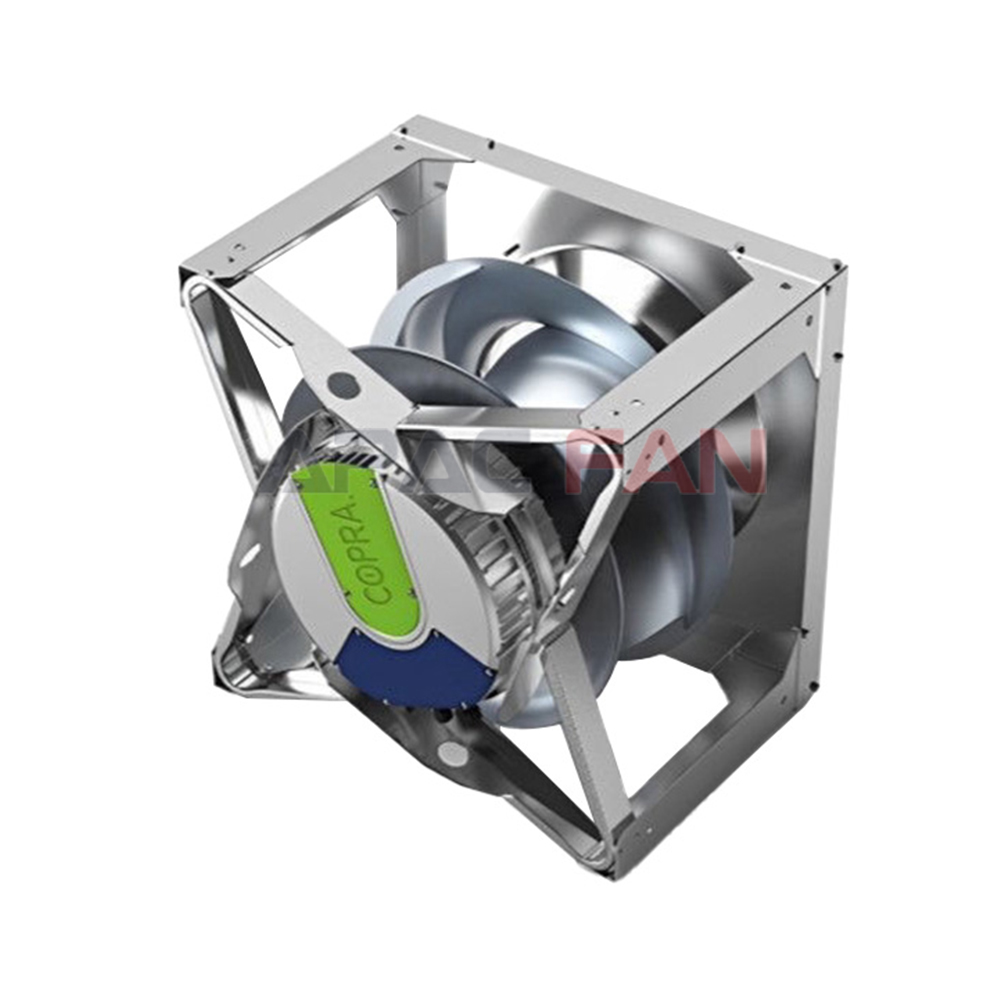
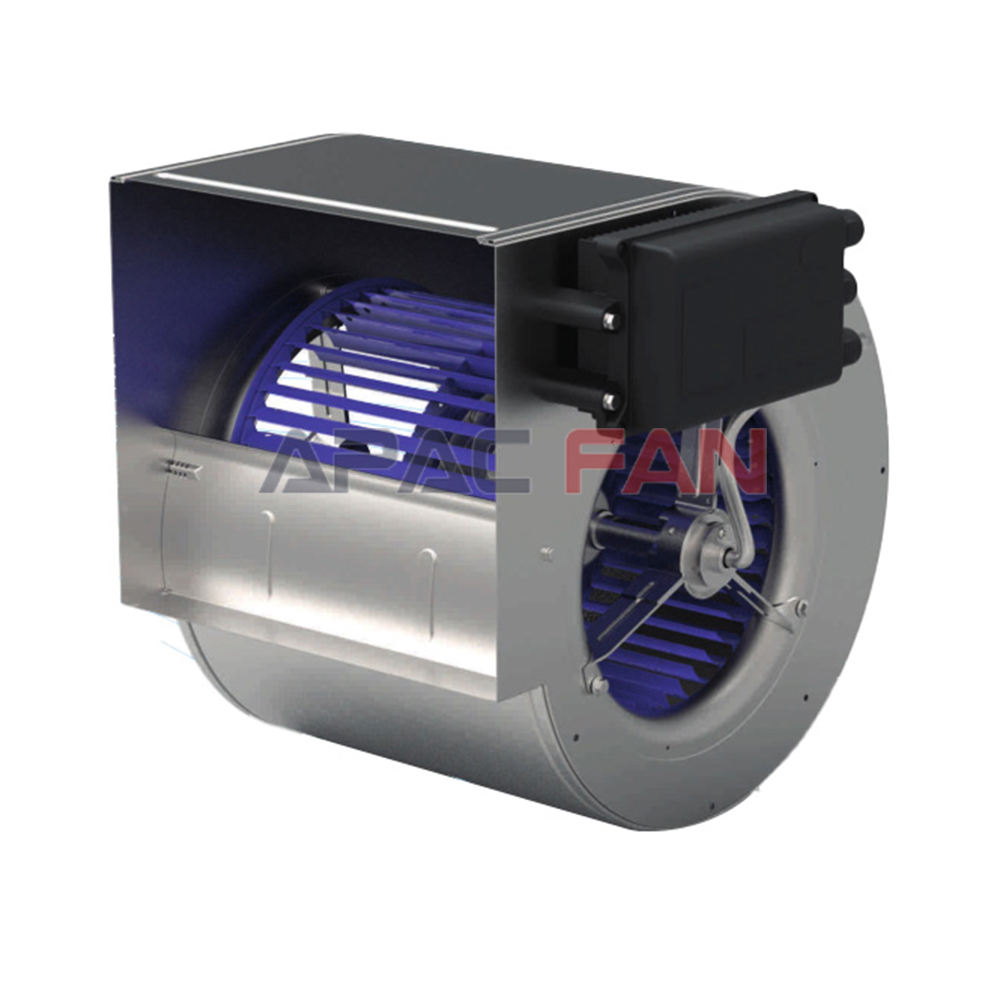
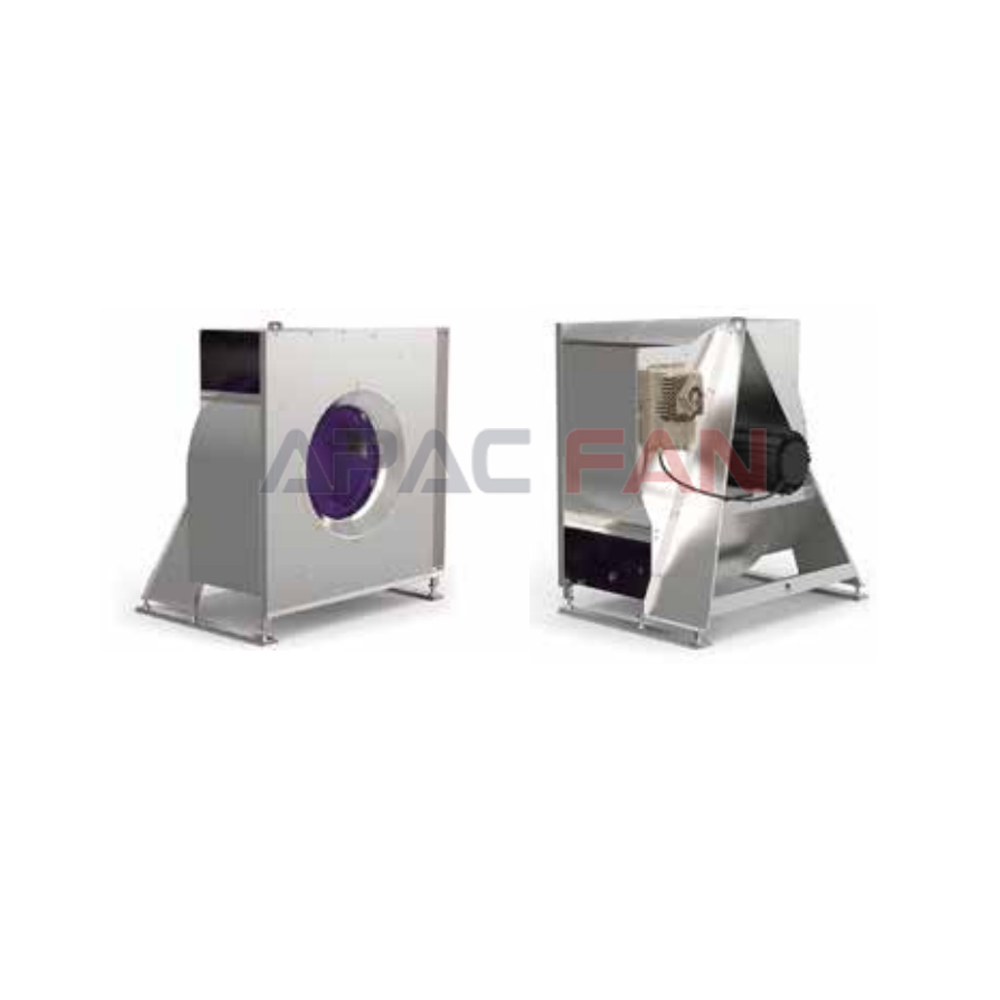
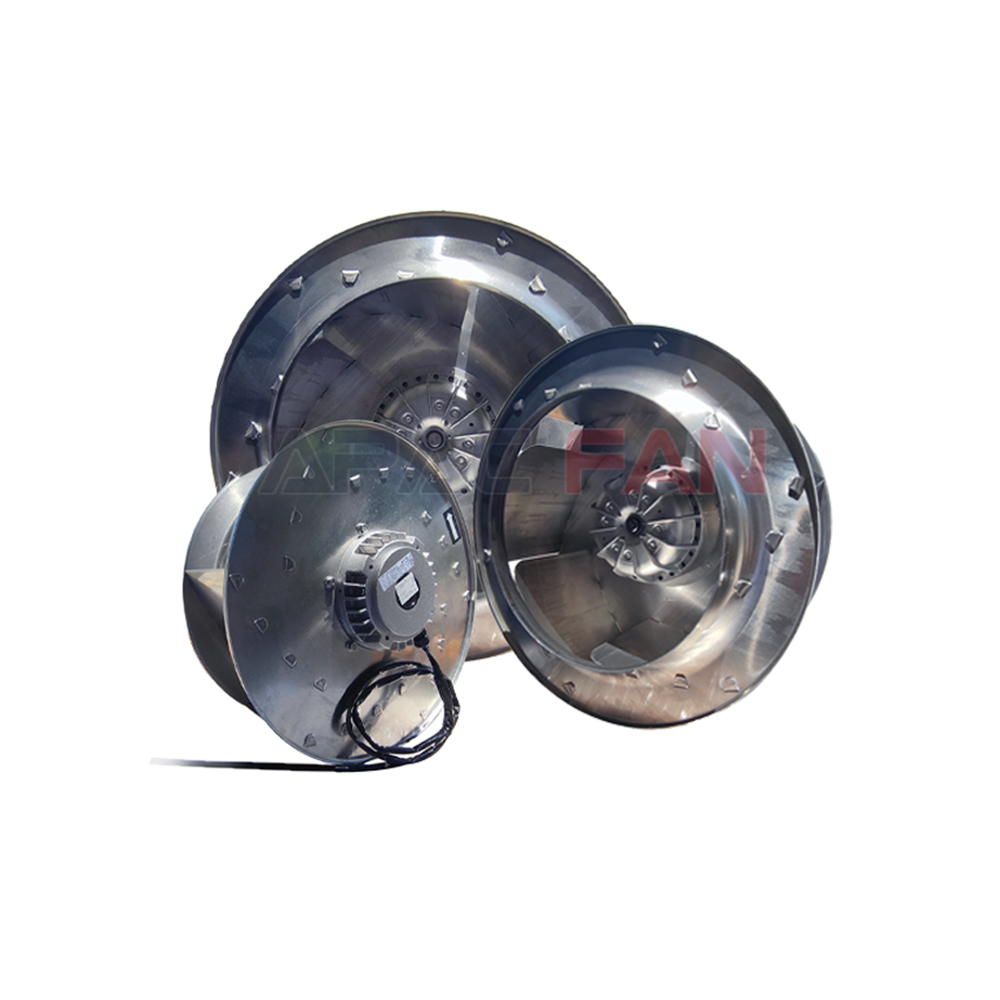
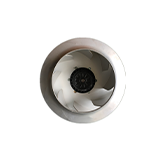
Centrifugal fans are commonly suited to applications where air must be moved against a meaningful pressure difference. ebm-papst describes its centrifugal fans as compact, energy-efficient, and speed controllable with integrated electronics. Its RadiPac product page lists precision air conditioning units in data centers as an application area, with key requirements including high reliability, demand-based control, and integration into building management systems.
That combination is highly relevant to CRAH design. A precision cooling unit is not simply a box that blows cold air. It is a controlled machine. The fan must coordinate with chilled-water valves, coil performance, return air conditions, rack inlet temperatures, and facility-level setpoints. EC centrifugal fans can support that control philosophy when they are correctly selected and commissioned.
Avoiding the trap of oversupply
Many older data centers were cooled by oversupplying cold air to the room. The result was often a mixture of bypass airflow, recirculation, local hot spots, and high fan energy. Modern CRAH fan application should start with airflow management. Cold aisle containment, blanking panels, brush grommets, sealed cable openings, and balanced floor tiles can reduce the amount of air the fan must move to achieve the same IT protection.
This matters because fan upgrades alone cannot fix a poor air path. A more efficient fan installed in a leaky room may still waste energy. A controllable fan connected to poor sensors may chase unstable signals. The best CRAH applications combine efficient fan technology with disciplined room airflow practices. The fan then becomes a precise actuator rather than a brute-force compensation device.
Commissioning for real operating conditions
CRAH fans should be commissioned at more than one operating point. Maximum load is important, but data centers spend many hours at partial load. Engineers should verify airflow at low, normal, and high speeds; check that static pressure targets are realistic; confirm that filters do not push the system outside the intended fan curve; and review acoustics in occupied or sensitive areas.
Integration with the building management system should also be tested. Operators need visibility into fan speed, status, alarms, and sometimes power or runtime. If multiple units serve the same space, control sequences must avoid fighting between units. One CRAH increasing speed while a neighboring unit reduces output can create unnecessary cycling and uneven rack inlet temperatures.

Retrofitting older precision cooling units
Fan retrofit projects can be attractive when older belt-driven or fixed-speed fan systems consume unnecessary energy or create maintenance burden. However, retrofits should be engineered carefully. The replacement fan must fit the unit geometry, deliver the needed airflow and pressure, integrate with controls, and respect electrical and safety requirements. It should also account for coil cleaning, filter condition, and room airflow improvements.
ebm-papst positions several fan families for air conditioning and data center applications, but the practical takeaway is broader than any one brand. In CRAH and precision air conditioning units, the fan selection should be tied to the room's thermal strategy. A good fan helps the unit adapt to load, reduce wasted energy, and remain maintainable. A poorly applied fan simply moves the old problem into a new package.
Application perspective
CRAH fan articles should also mention chilled-water temperature strategy. If fan airflow is increased without understanding coil performance, the unit may move more air but not remove heat efficiently. Conversely, if water-side control is improved, the fan may not need to work as hard. The fan and coil form a coupled system. A project that treats them separately can miss the best operating point.
Another useful practice is to compare unit-level airflow to IT-level demand. Some data centers have enough installed cooling capacity but poor delivery. Others have strong containment but aging fans that cannot respond efficiently. A fan retrofit may be appropriate in one site and unnecessary in another. The article should guide readers toward diagnosis before purchase, which is especially important for mission-critical facilities.
Floor plenum conditions can also change the fan story. A raised-floor data center may suffer from cable congestion, misplaced perforated tiles, leakage, or uneven pressure zones. A CRAH fan upgrade may increase available airflow but still fail to deliver air where racks need it if the plenum is poorly balanced. Practical CRAH content should therefore connect fan selection to floor tile layout, containment, pressure mapping, and rack inlet measurement rather than isolating the fan inside the cooling unit.
The same logic applies to overhead air distribution. If a facility uses ducted supply, fan selection must consider diffuser losses, duct leakage, and how air reaches the front of cabinets. The fan may be inside a precision unit, but the performance result is measured at the rack. That makes field verification essential after any meaningful change.
FAQ
Q: What do CRAH fans do?
A: They move room or return air through filters and chilled-water coils, then deliver conditioned air back to the data hall or plenum.
Q: Are centrifugal fans common in CRAH units?
A: Yes. Centrifugal fans are widely used where airflow must overcome coils, filters, and duct or plenum resistance. ebm-papst lists precision air conditioning units in data centers as an application for its RadiPac radial fans.
Q: Why does static pressure matter?
A: Static pressure represents the resistance the fan must overcome. If it is underestimated, the unit may not deliver the required airflow at the real operating point.
Q: What is the value of demand-based control?
A: Demand-based control allows airflow to follow actual thermal load instead of running at constant maximum output.
Q: Should fan selection be based only on airflow?
A: No. Engineers should consider airflow, static pressure, efficiency, acoustics, redundancy, controls, service access, and how the fan performs across the load range.