













 English
 Français
 Deutsch
 Português
 Español
 русский
  한국어
한국어 العربية
 Italiano
 Indonesia
 Schweiz
 Polski
 Nederlands
 ישראל - עברית
 Perzisch
 ไทย
ไทย 日本語
日本語 ኢትዮ-አማርኛ
 Việt Nam
 Kiswahili
 Srpski
 Ελληνικά
 繁體中文
繁體中文EC Fans in Data Center Cooling: Matching Airflow to Real Thermal Load
08/26/2026Why fixed airflow is no longer enough
A traditional cooling system often assumed a large safety margin and ran fans at a constant speed. That approach may protect equipment, but it is blunt. Modern data centers contain mixed rack densities, changing IT workloads, warmer operating strategies, containment improvements, and sometimes hybrid liquid cooling. In that environment, fixed airflow can become either too little for a local peak or far too much for normal operation.
EC fans are useful because they make airflow a controlled variable. Instead of treating the fan as an on-off component, the cooling system can vary speed to match actual demand. The practical result is not simply lower fan power. It is better alignment between thermal load and airflow delivery. That alignment is central to efficient data center cooling.
The partial-load opportunity
Fan power does not behave gently when airflow is increased. In many air systems, unnecessary airflow can cost a surprising amount of energy because both volume and pressure are involved. If a facility runs fans at full speed while dampers, bypass paths, or cold aisle oversupply absorb the excess, the fan system is spending energy to correct a problem it helped create.
Variable-speed EC fans allow designers to target a more realistic operating range. The system can increase output when filters load, IT demand rises, or outdoor economizer conditions change. It can reduce output when rack demand falls or containment improves. This is especially relevant to data centers because uptime requires reserve capacity, but normal operation should not be forced to pay the full energy cost of worst-case conditions every hour of the year.
ebm-papst product families and control language
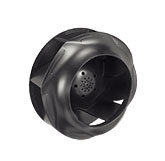
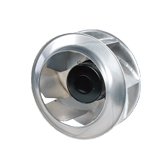
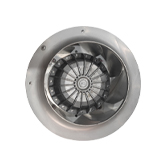
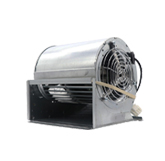
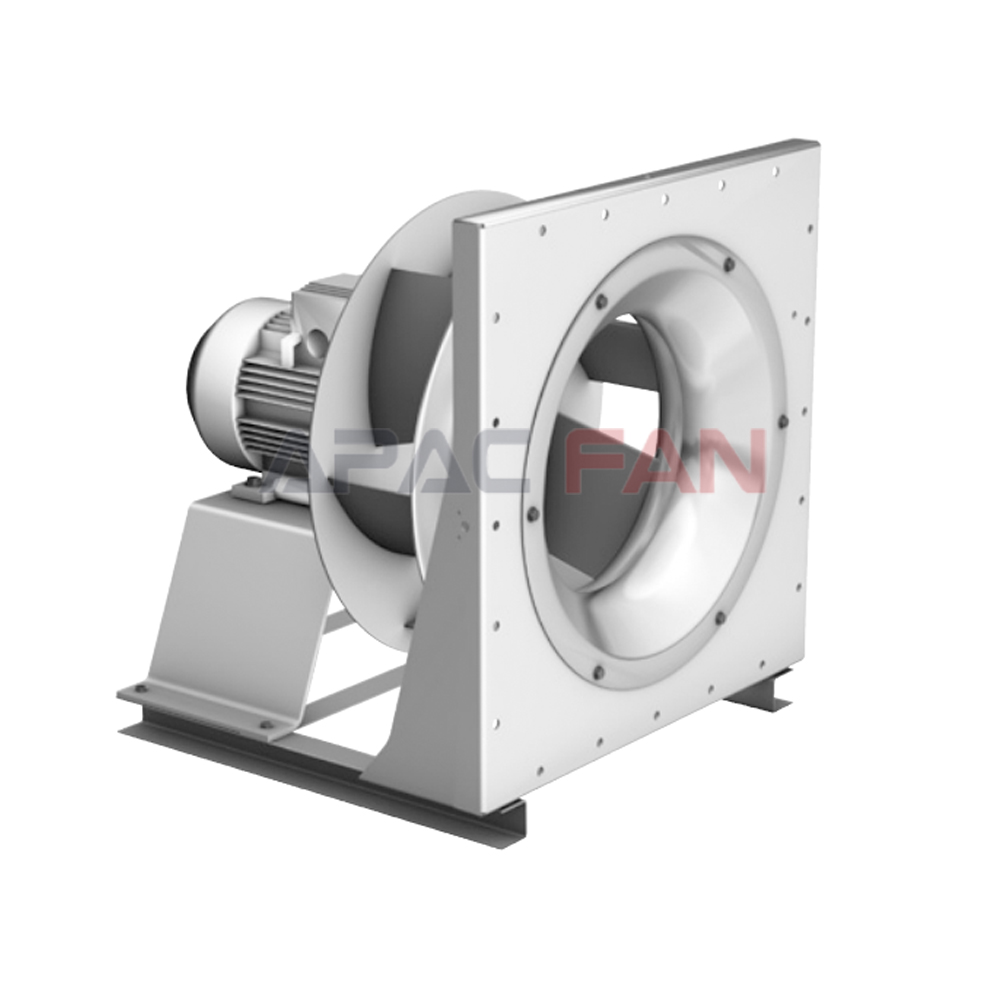
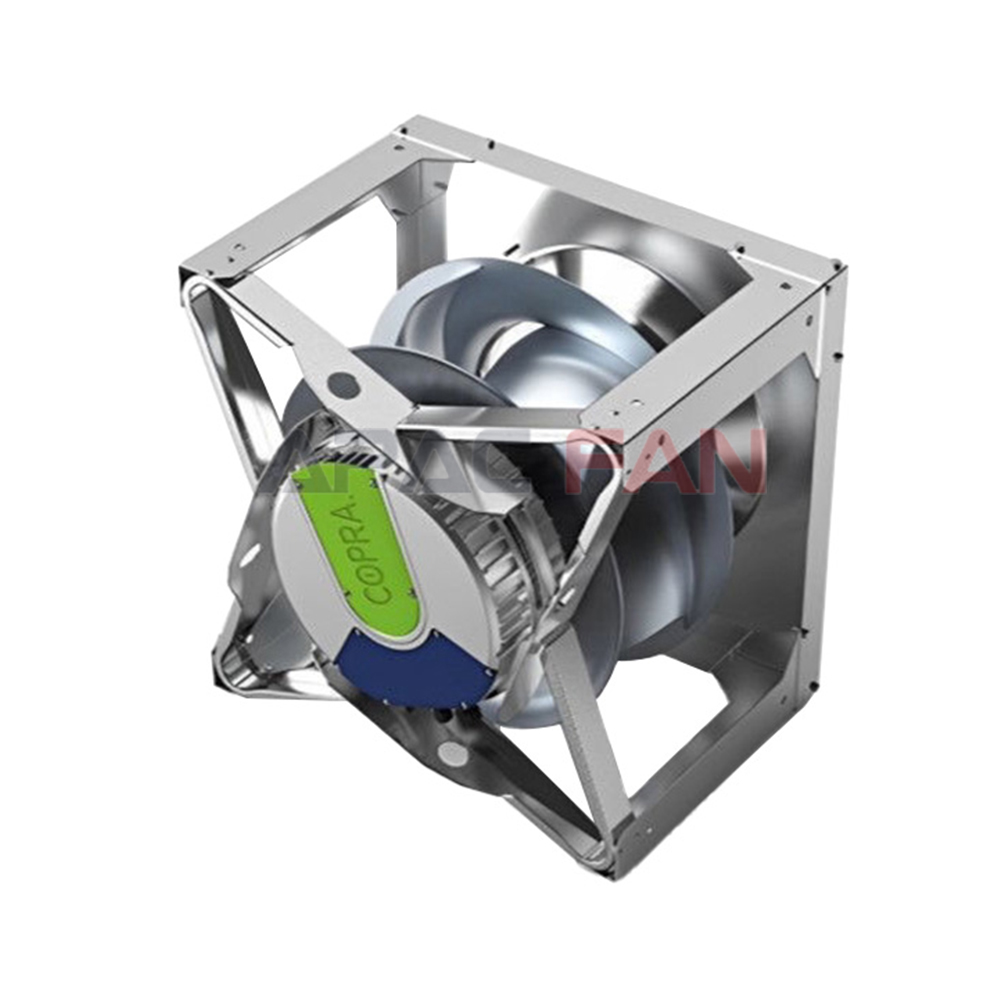
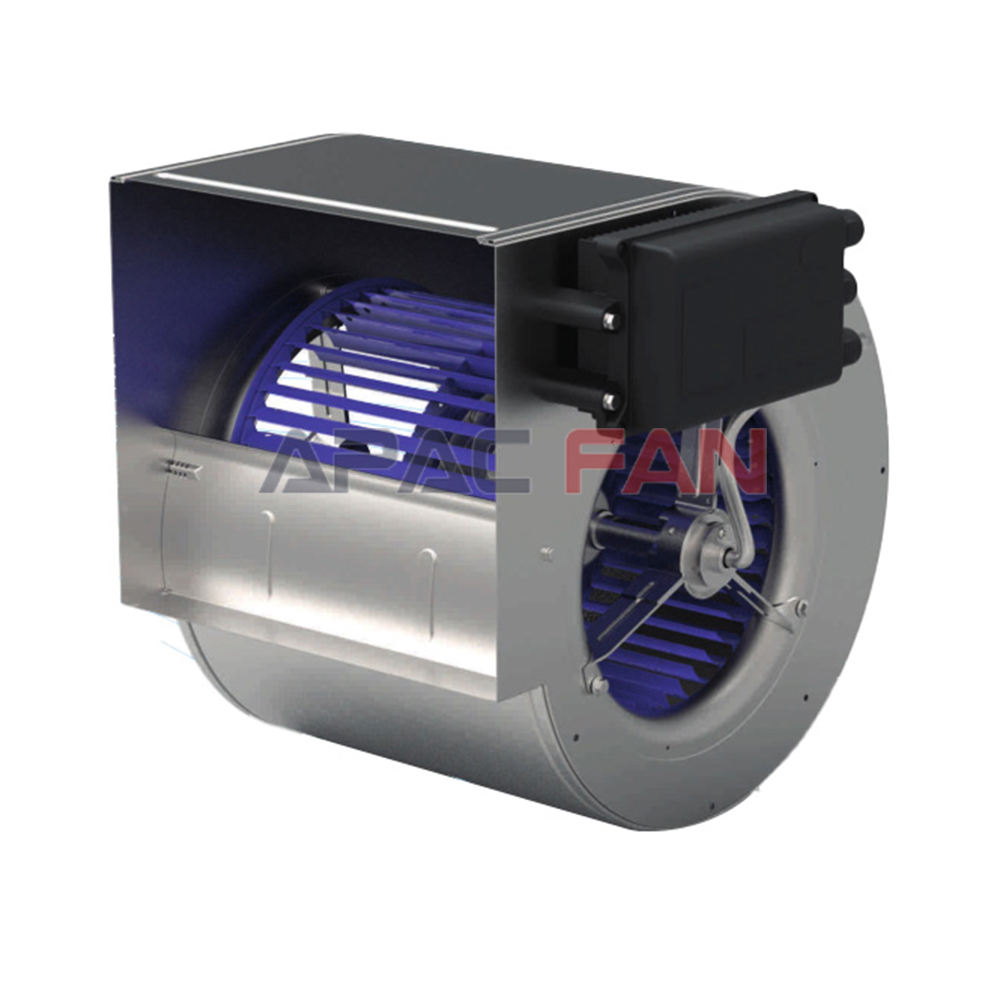
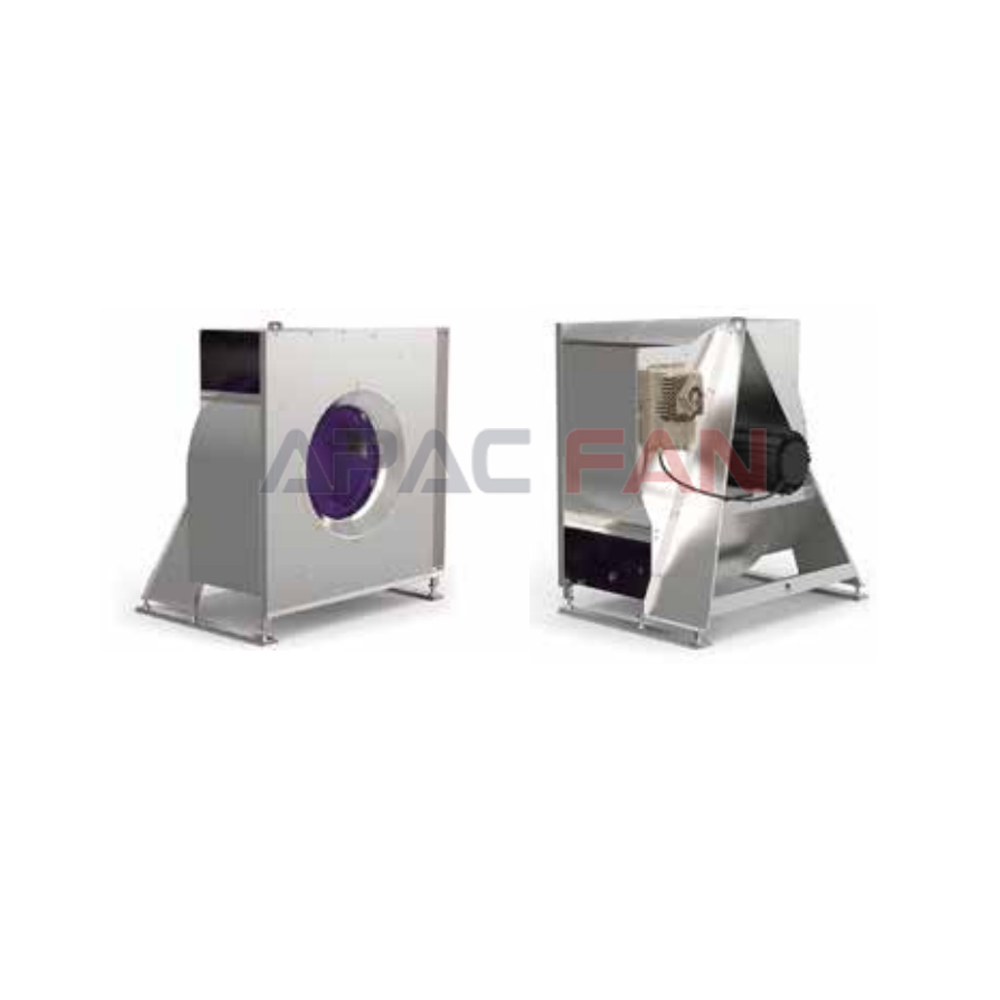
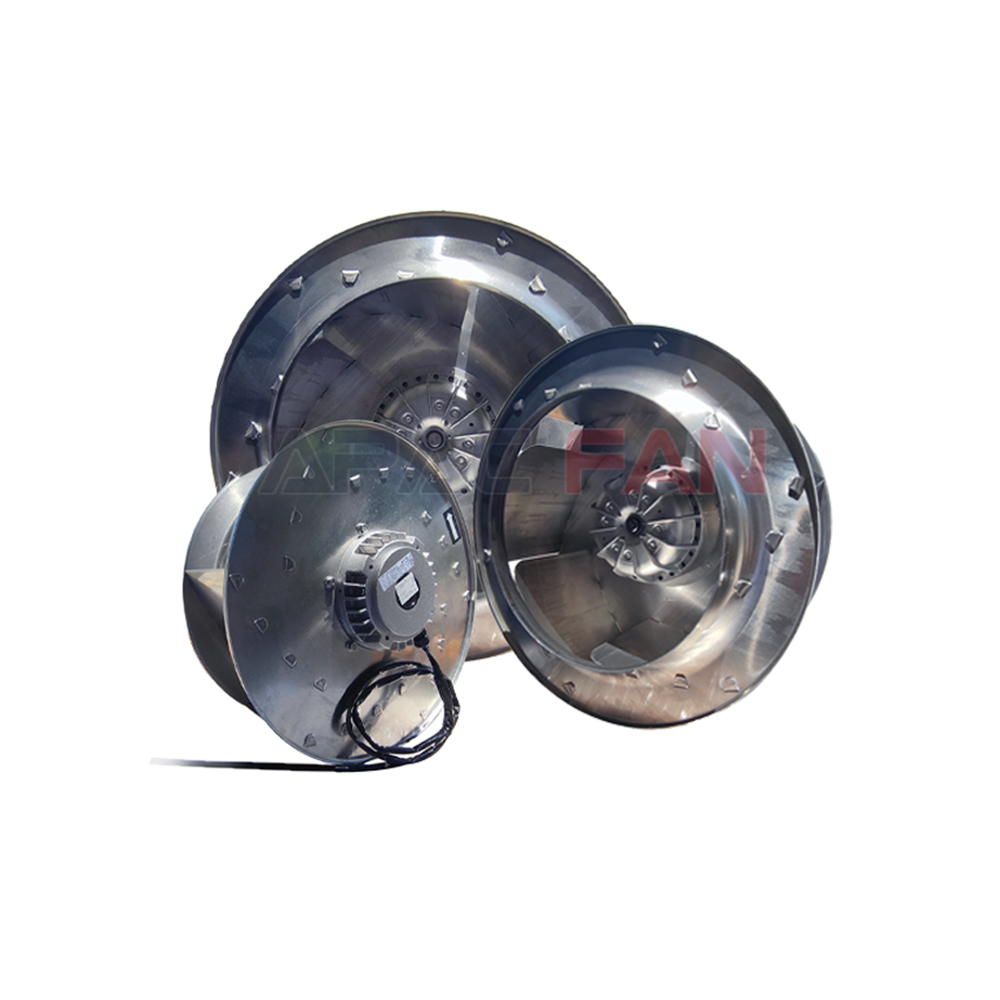
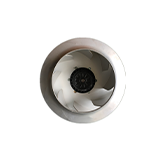
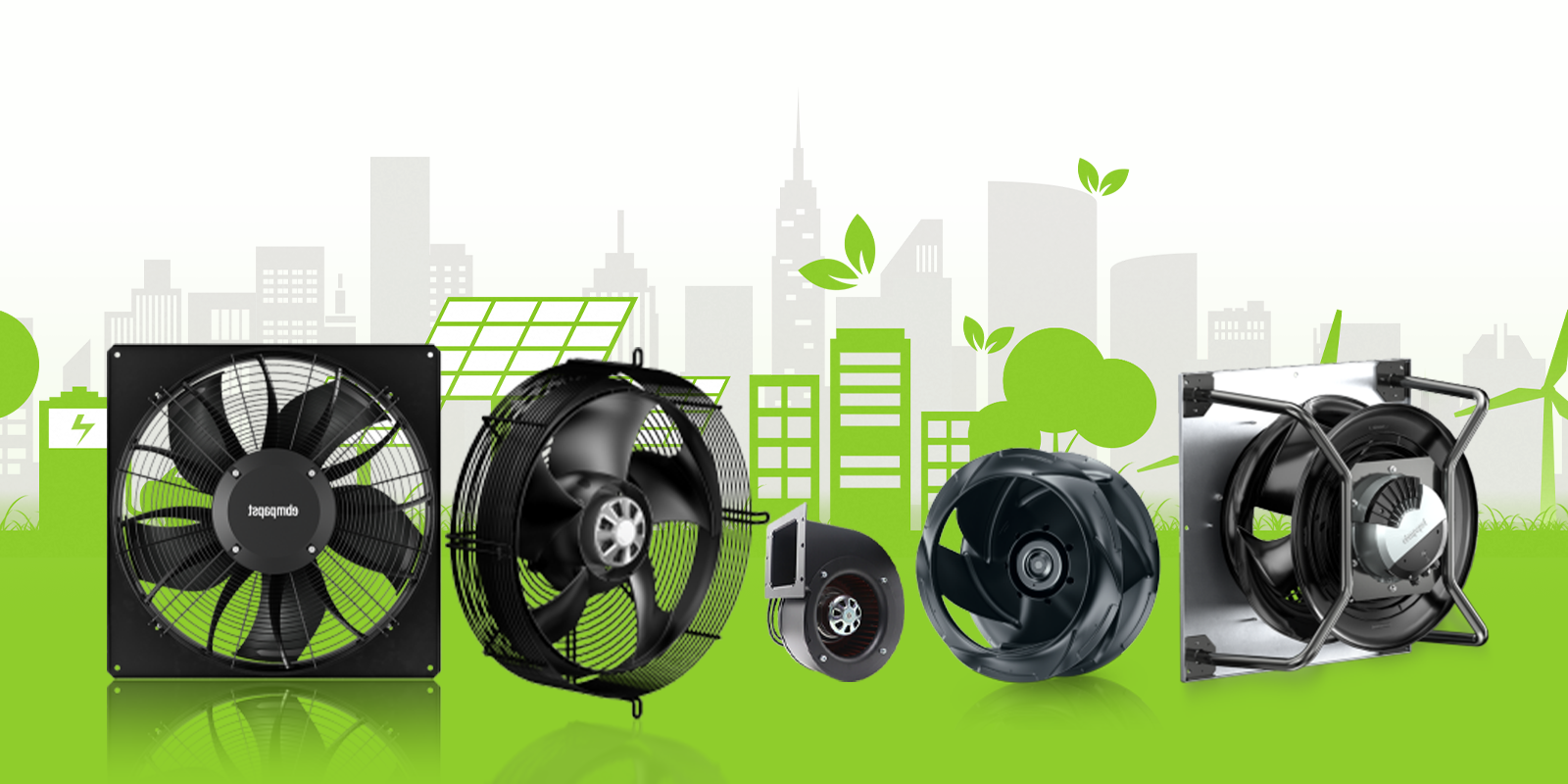
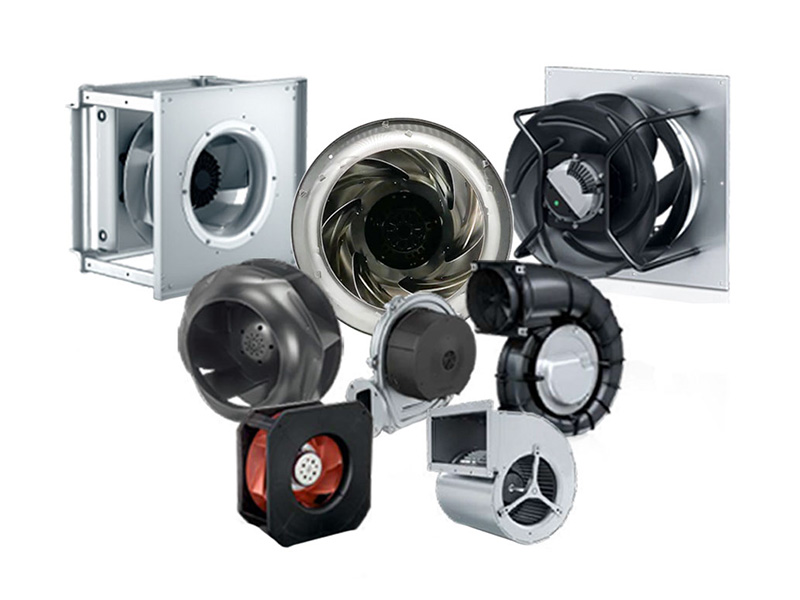
ebm-papst describes its centrifugal fans as using state-of-the-art EC technology and integrated electronics, with speed controllability as a key advantage. RadiPac materials discuss EC centrifugal fans for ventilation and air conditioning technology and include data center-related application areas such as precision air conditioning units and FanGrids. Official AHU materials for data centers also highlight efficient, individually controllable devices that adapt to actual thermal load.
Those points are directly relevant to data center specification language. When writing a fan requirement, it is better to ask for a controllable fan system with defined feedback, alarms, operating points, and integration requirements than to ask only for a nominal airflow rating. The product family matters, but the controls architecture determines whether the fan can become part of an efficient thermal management strategy.
Control signals, sensors, and commissioning
A controlled fan is only as good as the signal guiding it. Some systems respond to supply air temperature. Others respond to static pressure, return air temperature, valve position, differential pressure across filters, or rack inlet sensors. There is no universal answer because the best signal depends on the cooling architecture. A perimeter CRAH, an in-row cooler, a rear door heat exchanger, and a CDU heat rejection path each see a different part of the thermal system.
Commissioning is where many efficiency claims become real or disappear. Fan minimum speeds must prevent unstable airflow. Maximum speeds must respect acoustics and electrical limits. Alarm thresholds must avoid nuisance trips while still catching real problems. Sensor placement must represent the equipment being protected. If commissioning is rushed, an EC fan can end up operating like an expensive fixed-speed fan.
Reliability and maintainability
Data center operators care about efficiency, but they will not trade away uptime to chase a small energy saving. EC fan applications should therefore include a clear failure mode. What happens if one fan loses communication? What happens if a sensor fails high or low? Can the system fall back to a safe speed? Can a technician replace a module without disturbing adjacent systems? These questions belong in the design phase.
The best use of EC fans is disciplined, not magical. Select the fan against real pressure and airflow requirements. Keep the air path clean and sealed. Integrate speed control with meaningful feedback. Trend the operating data over time. When these pieces work together, EC fans can help data centers reduce wasted fan energy while preserving the reliability that makes cooling infrastructure mission-critical.
Application perspective
EC fan application also changes the relationship between facilities and controls teams. Mechanical engineers may select the fan, electrical engineers may power it, controls specialists may program it, and operators may respond to alarms. If these groups do not share the same intent, the system can drift. A setpoint that looked safe during construction may become inefficient after containment is improved. A minimum speed that avoided nuisance alarms may become too high for normal operation. Trend reviews keep the design alive after handover.
For content marketing, the honest message is stronger than exaggerated savings claims. EC fans can be a major part of an energy strategy, but they do not rescue a badly organized airflow system by themselves. Readers appreciate a practical sequence: measure the current airflow path, reduce avoidable pressure losses, select controllable fans against real duty points, commission controls, and review trend data. That sequence is credible because it respects both engineering and operations.
There is also a cybersecurity and operations angle that deserves attention without exaggeration. When fan systems become connected to a building management system, access permissions, alarm routing, and change control matter. A wrong setpoint entered casually can affect thermal margin. A disabled alarm can hide a developing problem. EC fans make better control possible, but the facility still needs disciplined operational governance around who can change fan behavior and how those changes are reviewed.
FAQ
Q: What does EC fan mean?
A: EC usually refers to electronically commutated motor technology, combining motor and electronics so the fan can be speed controlled efficiently across a useful operating range.
Q: Why are EC fans common in modern cooling equipment?
A: They support variable-speed operation, integrated control electronics, and efficient partial-load performance, which are valuable in data centers where thermal load changes over time.
Q: Does EC technology guarantee low energy use?
A: No. EC technology helps, but real energy performance still depends on airflow design, pressure drop, setpoints, controls, sensors, and maintenance.
Q: Can EC fans connect to a building management system?
A: Many EC fan systems provide control and feedback options, but interface details vary by model and system design. Project teams should verify communication requirements with current product data.
Q: Where does ebm-papst mention EC fans for data centers?
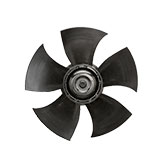
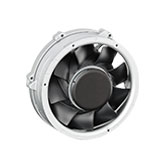
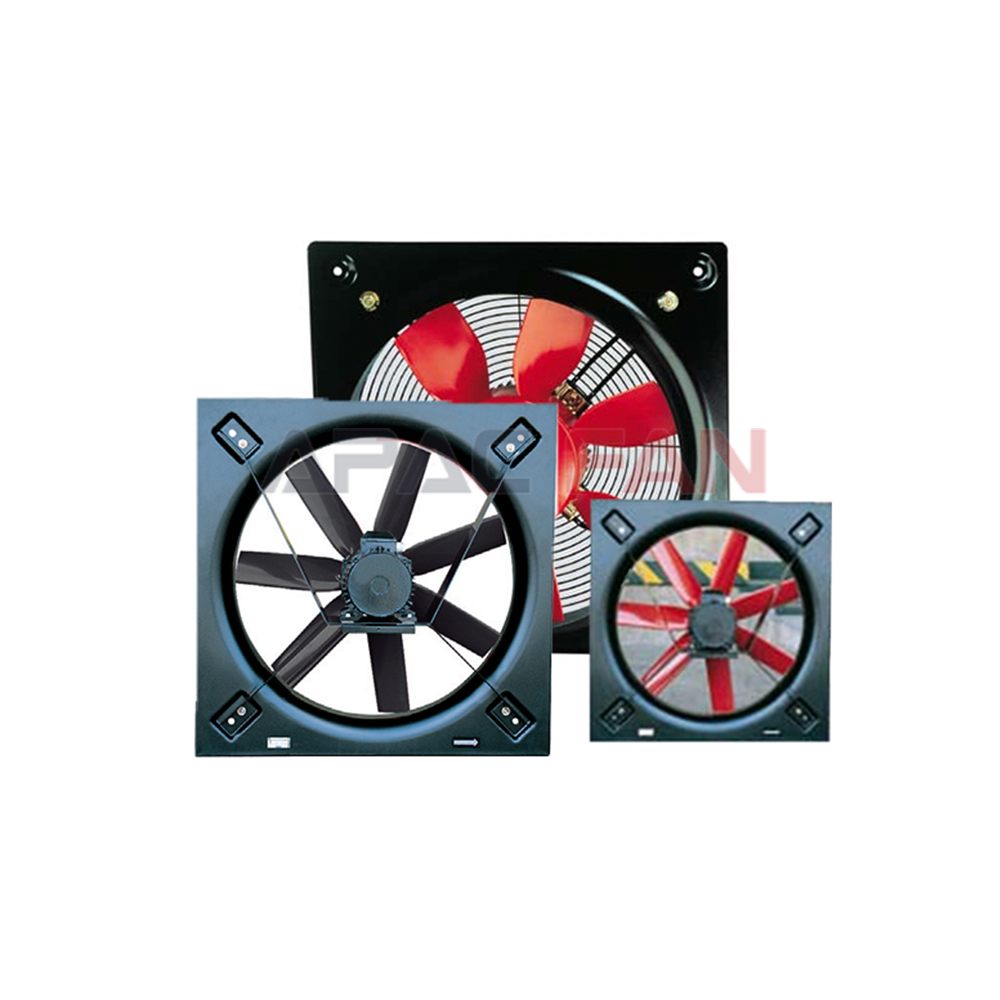
A: ebm-papst materials discuss EC centrifugal fans such as RadiPac and RadiCal in HVAC and data center-related applications, and describe EC technology in axial and centrifugal fan families.