














 English
 Français
 Deutsch
 Português
 Español
 русский
  한국어
한국어 العربية
 Italiano
 Indonesia
 Schweiz
 Polski
 Nederlands
 ישראל - עברית
 Perzisch
 ไทย
ไทย 日本語
日本語 ኢትዮ-አማርኛ
 Việt Nam
 Kiswahili
 Srpski
 Ελληνικά
 繁體中文
繁體中文Energy-Saving Ventilation Fan Retrofit for a Precision Manufacturing Facility
07/16/2026Precision technology manufacturing facilities require stable and accurately controlled production environments. High equipment density, continuous heat generation, and demanding process conditions can place considerable pressure on workshop ventilation and air-conditioning systems.
AISA PACIFIC SHENGRUI LIMITED carried out a targeted fan-system upgrade for a precision technology manufacturing facility. The project focused on improving airflow stability, energy efficiency, noise performance, maintainability, and operational reliability without replacing the entire ventilation and air-conditioning system.
By evaluating the existing equipment and selecting fans according to actual site requirements, the retrofit provided a cost-effective way to improve workshop conditions while minimizing disruption to normal production.
Ventilation Challenges in Precision Manufacturing
Precision manufacturing workshops may contain production machinery, testing equipment, electrical systems, and automated processing lines operating within a limited area. This equipment can generate substantial and uneven heat loads.
Without effective airflow organization, heat may accumulate around production equipment, control cabinets, ceilings, or enclosed process areas. These local hot spots can increase the cooling load, create uncomfortable working conditions, and potentially affect temperature-sensitive processes.
The ventilation and air-conditioning system must therefore deliver sufficient conditioned air, remove excess heat, and maintain balanced airflow across the workshop. Reliable fan operation is essential for achieving these objectives.
Limitations of an Aging Fan System
A fan motor can remain operational even when the overall system has become inefficient. Fixed-speed operation, poor fan-to-system matching, dirty filters, contaminated coils, high duct resistance, and mechanical transmission losses can all increase energy consumption.
In a fixed-speed system, fans may continue running at full output even when production demand is lower. This wastes fan energy and may also increase the amount of air that must be cooled, heated, filtered, or dehumidified.
Traditional belt-driven fans can create additional maintenance requirements. Belts, bearings, pulleys, and drive components require regular inspection, adjustment, alignment, and replacement. Worn parts may cause airflow loss, vibration, noise, and unexpected equipment failure.
Over the operating life of the system, these issues can increase both electricity costs and maintenance exposure.
Evaluating the Existing Airflow System
Before developing the retrofit solution, AISA PACIFIC SHENGRUI LIMITED evaluated the operating conditions of the existing workshop ventilation and air-conditioning system.
The assessment considered required airflow, system pressure, filter resistance, duct configuration, equipment structure, installation space, electrical connections, and access for maintenance. The engineering team also reviewed the distribution of heat-generating equipment and the potential for uneven airflow within the workshop.
Control requirements, alarm functions, production schedules, and future adjustment needs were included in the evaluation. This helped ensure that the upgraded fans could respond effectively to changing workshop loads rather than operating at one fixed output.
High-Efficiency Fan Upgrade Solution
The retrofit focused on replacing inefficient fan components and improving control capability while retaining ventilation equipment that remained suitable for continued use.
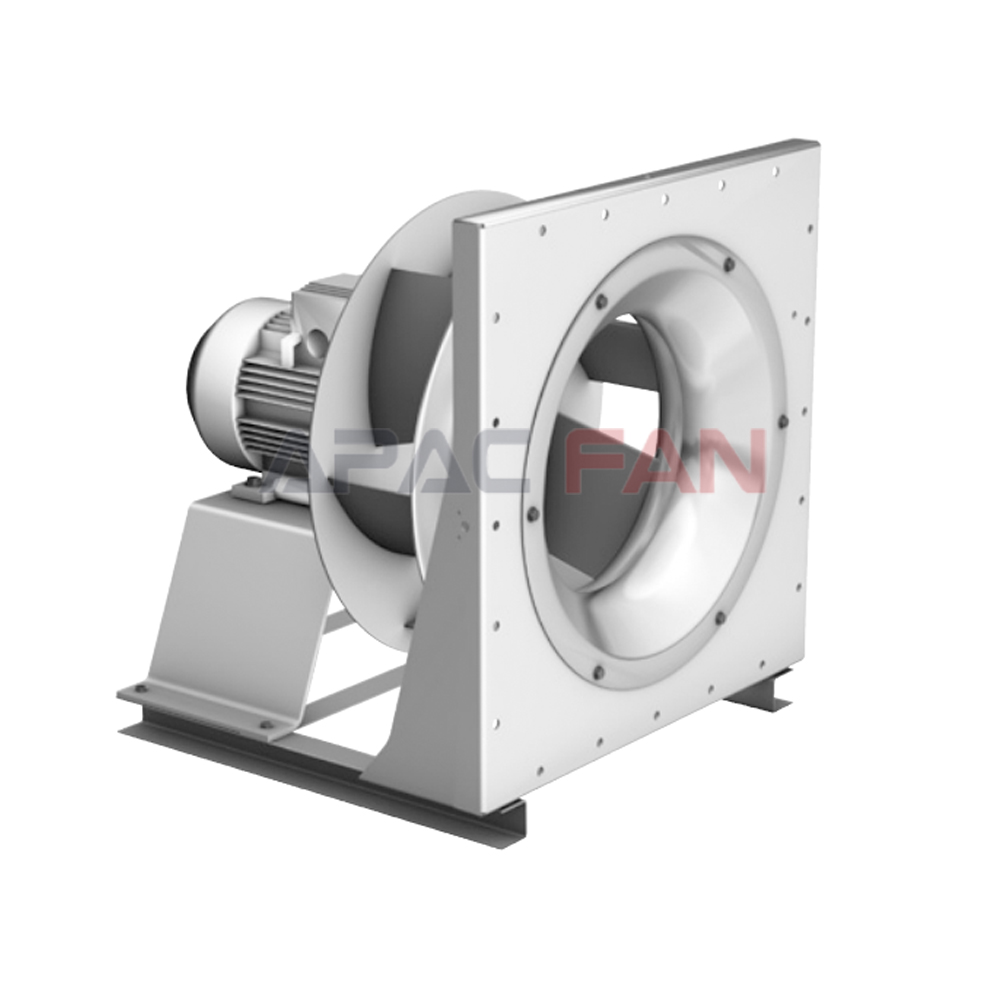
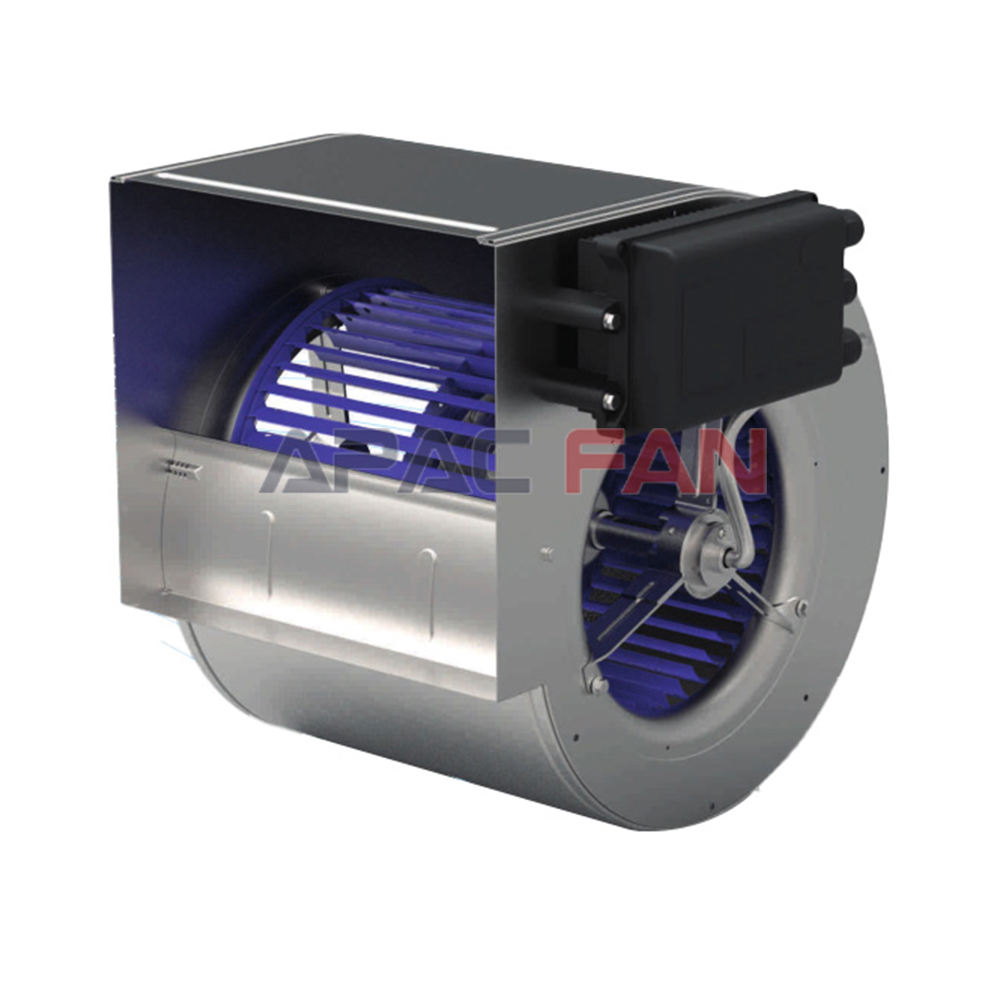
High-efficiency fans can provide the required airflow with lower electrical input when correctly matched to actual system resistance. Direct-drive designs may further improve efficiency by eliminating belts, pulleys, and the associated mechanical transmission losses.
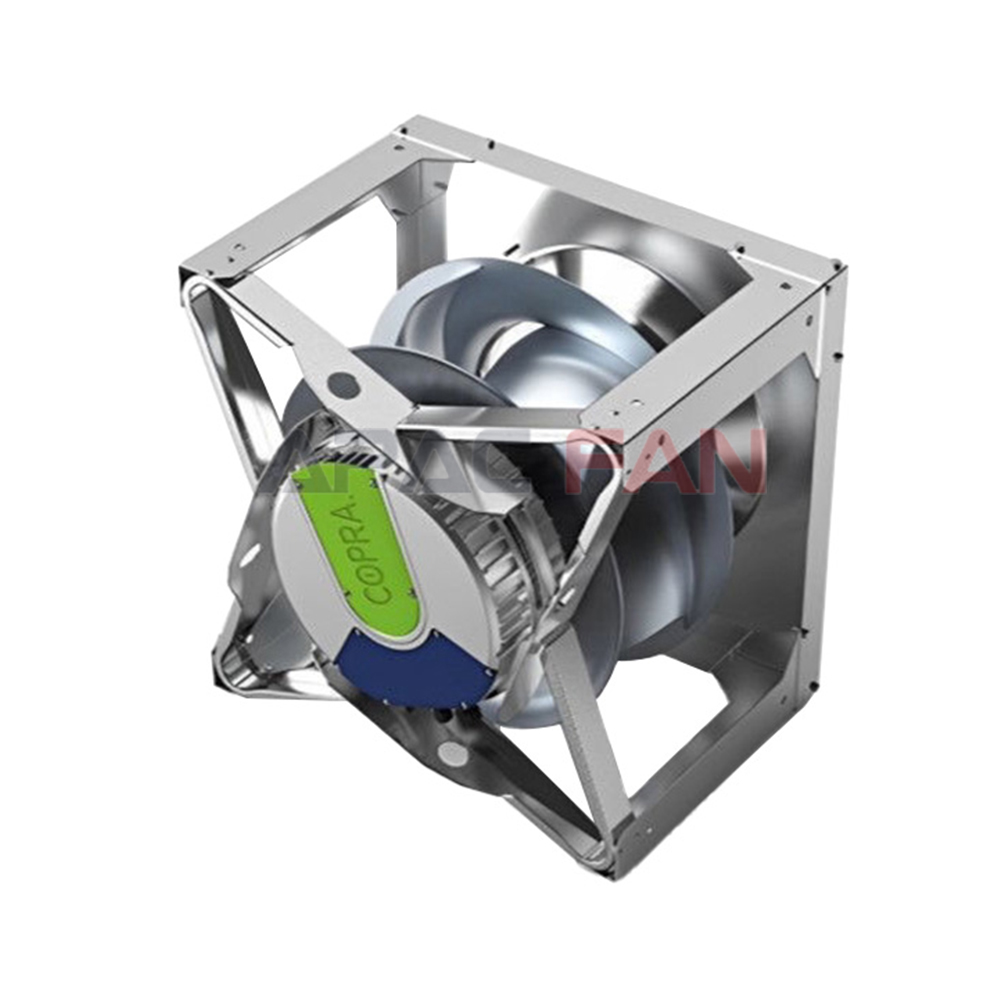
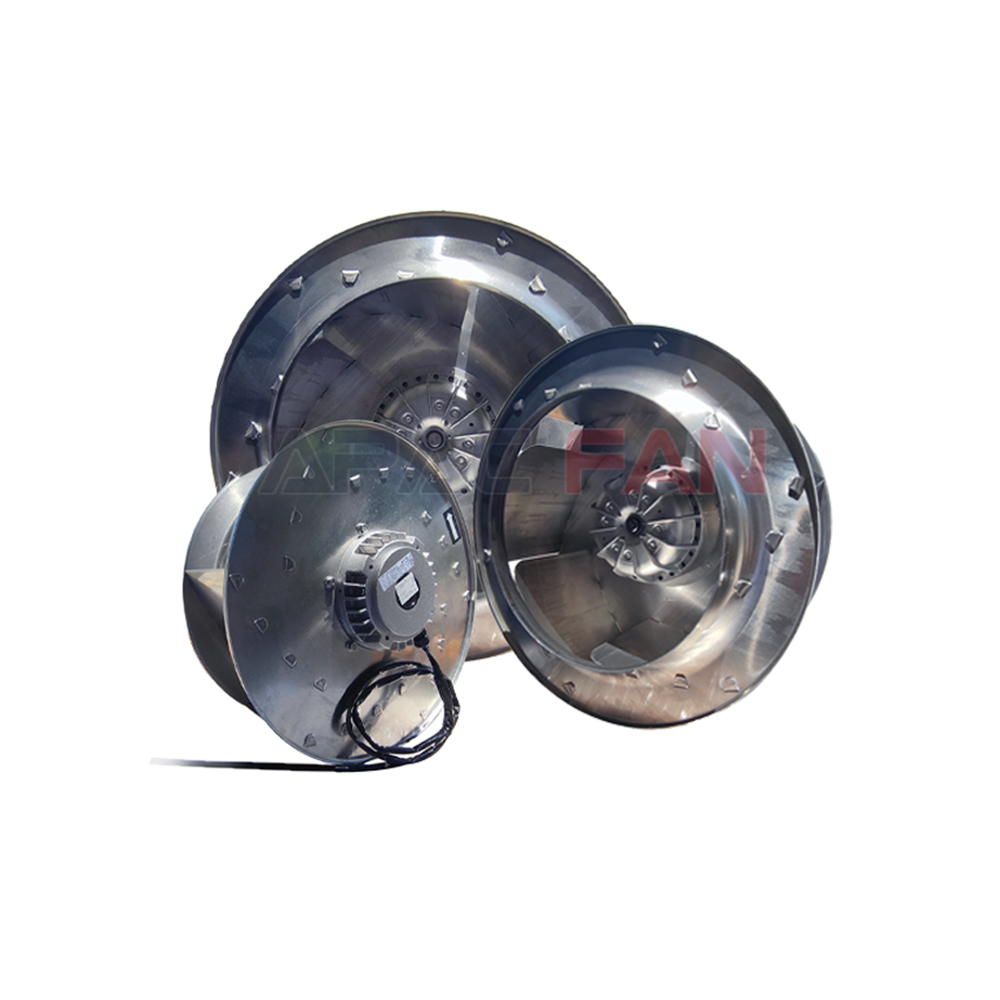
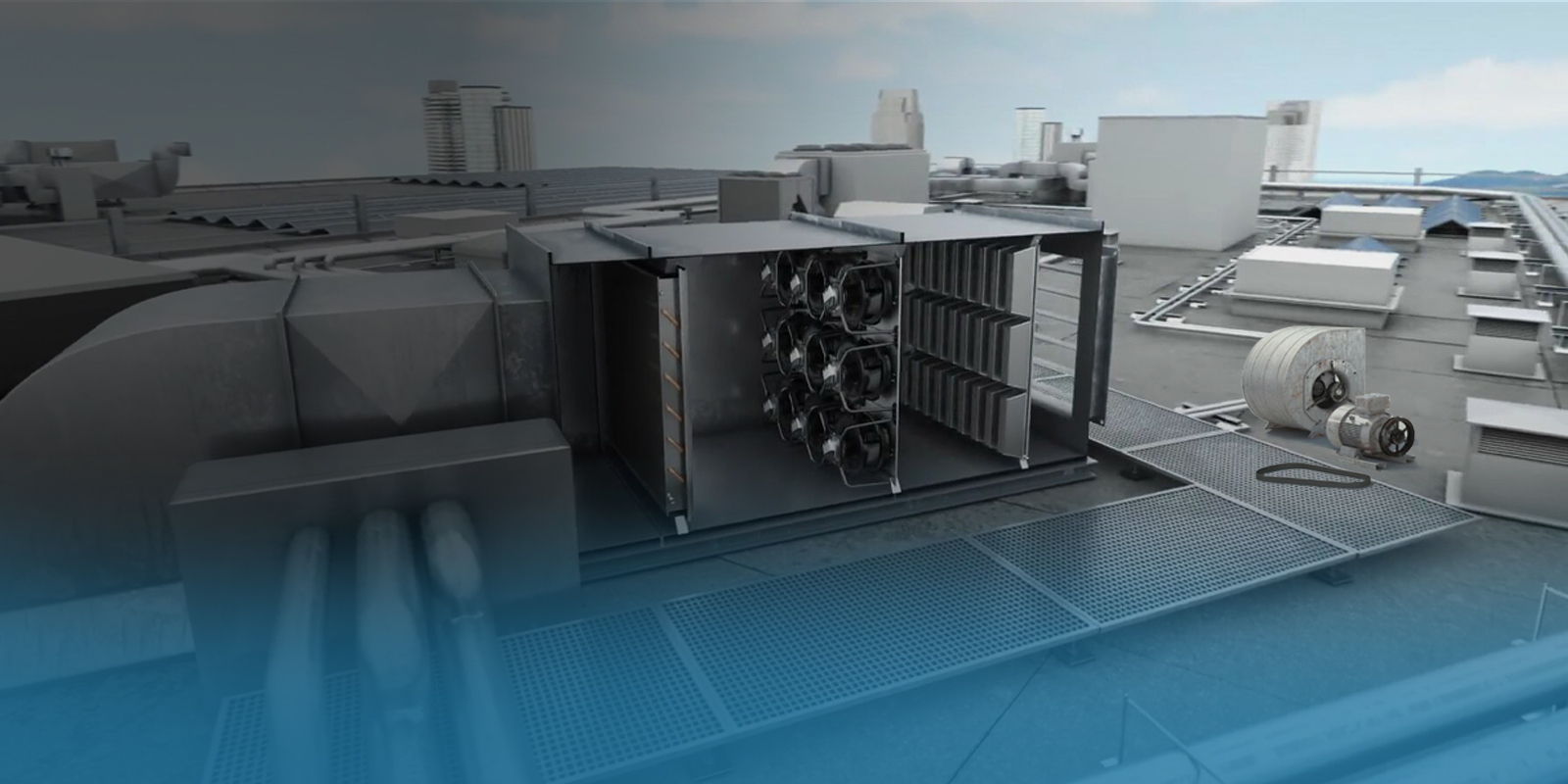
Where the existing air-handling equipment allows, a modular EC fan wall can be considered to replace a large traditional fan. Multiple EC fans can provide flexible output, more uniform airflow, and improved serviceability.
The appropriate solution depends on the required airflow, pressure, available space, system design, and operating conditions of the facility.
Energy Savings Through Variable-Speed Control
Precision manufacturing workshops do not always operate at the same load. Heat generation and ventilation demand may vary according to the number of operating machines, production shifts, seasonal conditions, and process schedules.
Variable-speed control allows the upgraded fans to adjust their output according to actual demand. Control signals may be based on temperature, differential pressure, airflow, equipment status, or other system parameters.
During lower-load periods, the fans can operate at a reduced speed rather than consuming electricity at full output. When heat load or system resistance increases, fan speed can rise within the designed operating range.
This demand-based operation reduces unnecessary energy consumption while maintaining the airflow required for stable workshop conditions.
Improving Airflow Distribution
Installing more efficient fans does not automatically solve every workshop ventilation problem. Airflow must also be properly distributed throughout the production area.
The retrofit therefore considered the relationship between fan output, duct layout, supply-air diffusers, return-air paths, and the position of heat-generating equipment. Improved airflow organization can help reduce stagnant zones, short-circuit airflow, and local temperature differences.
More uniform airflow also allows the cooling system to use its available capacity more effectively. Instead of overcooling one area to compensate for insufficient airflow in another, the system can maintain more balanced conditions across the workshop.
Supporting Temperature Stability
Temperature stability can be important for precision machining, measurement, inspection, assembly, and other sensitive processes. Excessive or rapidly changing temperatures may influence equipment behavior, material dimensions, measurement accuracy, or product consistency.
Reliable fan operation helps conditioned air reach the required areas and supports the performance of filters, cooling coils, and other HVAC components. Accurate speed control also allows airflow to be adjusted as workshop heat loads change.
However, fan performance must be considered as part of the complete air-conditioning system. Cooling capacity, insulation, air distribution, filtration, room layout, and process requirements must all be evaluated when precise temperature control is required.
Lower Noise and Vibration
Fan noise and vibration can affect both the working environment and nearby precision equipment. Common causes include worn bearings, loose belts, pulley misalignment, impeller imbalance, and operation outside the fan’s efficient range.
Direct-drive fans reduce the number of mechanical transmission components and eliminate belt-related vibration. Correct fan selection also helps avoid excessive rotational speed and unnecessary aerodynamic noise.
With variable-speed control, fans can operate more quietly during periods when maximum airflow is not required. This can improve employee comfort and reduce mechanical stress on air-handling units and connected ductwork.
Easier Maintenance and Better Reliability
Maintenance planning is particularly important in facilities where unexpected ventilation or cooling-system downtime could interrupt production.
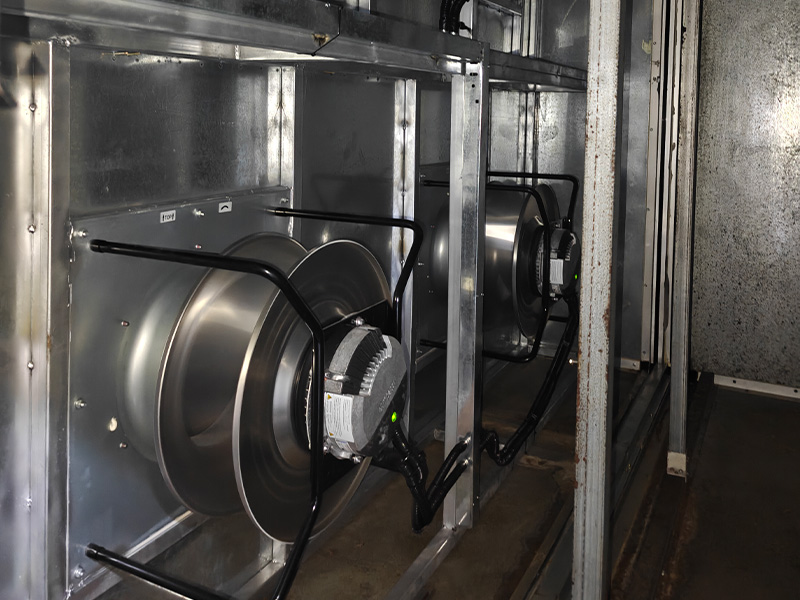
Replacing belt-driven fans with direct-drive equipment can reduce routine work involving belt tension, pulley alignment, and mechanical transmission components. Easier access to fans, electrical connections, and control devices can further shorten inspection and service time.
A modular fan arrangement may offer additional advantages. Individual fan modules can be inspected or replaced separately, and the remaining fans may provide partial airflow if one unit is unavailable, depending on the system design.
Monitoring and alarm functions can also help maintenance teams identify abnormal operation earlier and arrange servicing before a fault causes a major interruption.
Why a Targeted Retrofit Is a Practical Option
Replacing the complete workshop ventilation and air-conditioning system may require significant structural, electrical, and ductwork modifications. It can also involve a lengthy shutdown that is difficult to coordinate with production schedules.
A targeted retrofit retains functional air-handling units, ducts, and supporting equipment while upgrading the components responsible for energy waste, unstable airflow, excessive noise, or frequent maintenance.
This approach can reduce initial investment, shorten the implementation period, and limit disruption compared with complete system replacement. It is particularly suitable when the main equipment structure remains serviceable but the original fans and controls no longer meet current operating requirements.
Long-Term Operational Benefits
The value of a fan retrofit extends beyond immediate energy savings. Better airflow control enables the facility team to respond more effectively to changes in equipment load, filter resistance, outdoor conditions, and production schedules.
Reduced mechanical complexity can lower maintenance requirements and decrease the risk of belt or alignment failures. Monitoring and alarm functions also provide greater visibility into system performance, supporting faster troubleshooting and more predictable maintenance planning.
Together, these improvements contribute to lower lifecycle costs, more reliable ventilation, and a more stable precision manufacturing environment.
Conclusion
The ventilation and air-conditioning fan upgrade gave the precision technology manufacturing facility a practical way to improve airflow performance without replacing the entire system.
Through detailed site evaluation, efficient fan selection, variable-speed control, and maintenance-oriented design, AISA PACIFIC SHENGRUI LIMITED developed a retrofit solution focused on stable airflow, lower energy consumption, reduced noise, and improved operational reliability.
For precision manufacturing facilities with aging fan equipment, a targeted retrofit can provide an effective balance between energy efficiency, production continuity, environmental control, and long-term investment value.