









 English
 Français
 Deutsch
 Português
 Español
 русский
  한국어
한국어 العربية
 Italiano
 Indonesia
 Schweiz
 Polski
 Nederlands
 ישראל - עברית
 Perzisch
 ไทย
ไทย 日本語
日本語 ኢትዮ-አማርኛ
 Việt Nam
 Kiswahili
 Srpski
 Ελληνικά
 繁體中文
繁體中文Why Is My Dry Cooler Fan Not Working Properly?
05/06/2026Introduction
In industrial cooling applications, a dry cooler system depends heavily on stable airflow to maintain heat transfer performance. When a dry cooler fan not working properly, the impact is often immediate—rising system temperatures, reduced cooling capacity, and increased energy consumption.
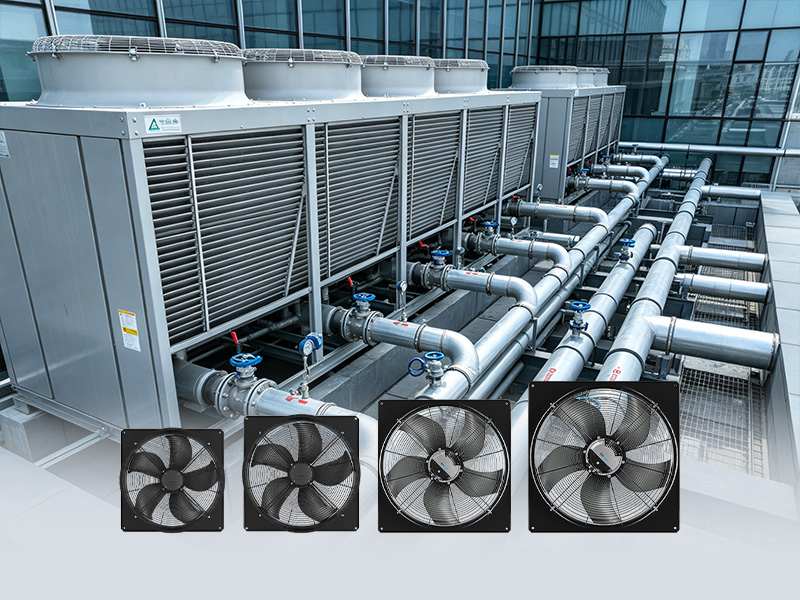
In real-world environments such as HVAC plants, manufacturing facilities, and data centers, fan-related issues are one of the most common causes of cooling inefficiency. In many cases, the problem is not a complete failure, but a gradual decline in cooling system airflow that goes unnoticed until performance drops significantly.
Understanding how to diagnose and resolve these issues is essential for restoring dry cooler efficiency and preventing costly downtime.
First Signs: How to Identify a Fan Problem Early
Before a complete failure occurs, most industrial fans show clear warning signs.
The most common symptom is reduced airflow. Operators may notice that the system struggles to maintain target temperatures, especially during peak load conditions. This is usually linked to a drop in heat exchanger airflow, even if the fan appears to be running.
Other early indicators include:
Unusual noise such as grinding or rattling
Increased vibration in the fan assembly
Intermittent operation or unstable speed
In HVAC and industrial cooling systems, these symptoms often indicate that fan performance in dry coolers is degrading, even before a full breakdown occurs.
Mechanical Failures: The Most Common Root Cause
Mechanical wear is one of the leading reasons why a dry cooler fan not working properly.
Over time, key components such as bearings, shafts, and fan blades degrade due to continuous operation. In dusty or outdoor environments, dirt accumulation on blades can disrupt airflow patterns and reduce air cooling fans efficiency.
Another frequent issue is fan imbalance. When blades are unevenly worn or contaminated, it leads to vibration, which not only reduces airflow efficiency but also accelerates mechanical damage.
In real industrial settings, poor maintenance is often the underlying cause. Regular inspection and cleaning are essential to maintain stable cooling system airflow and extend the lifespan of industrial cooling fans.
Electrical and Control System Issues
Not all fan problems are mechanical. Electrical faults are another major reason for performance issues.
In modern systems, industrial fan airflow control relies on components such as variable frequency drives (VFDs) or EC motor controllers. When these systems malfunction, the fan may:
Run at incorrect speeds
Start and stop unpredictably
Fail to operate entirely
Power supply instability is also a common issue in industrial environments, especially in older facilities. Even minor voltage fluctuations can affect fan performance in dry coolers, leading to inconsistent airflow.
Diagnosing electrical problems requires checking motor condition, wiring connections, and control system functionality.
Airflow Obstruction: The Hidden Performance Killer
In many cases, the fan itself is not the problem—the airflow path is.
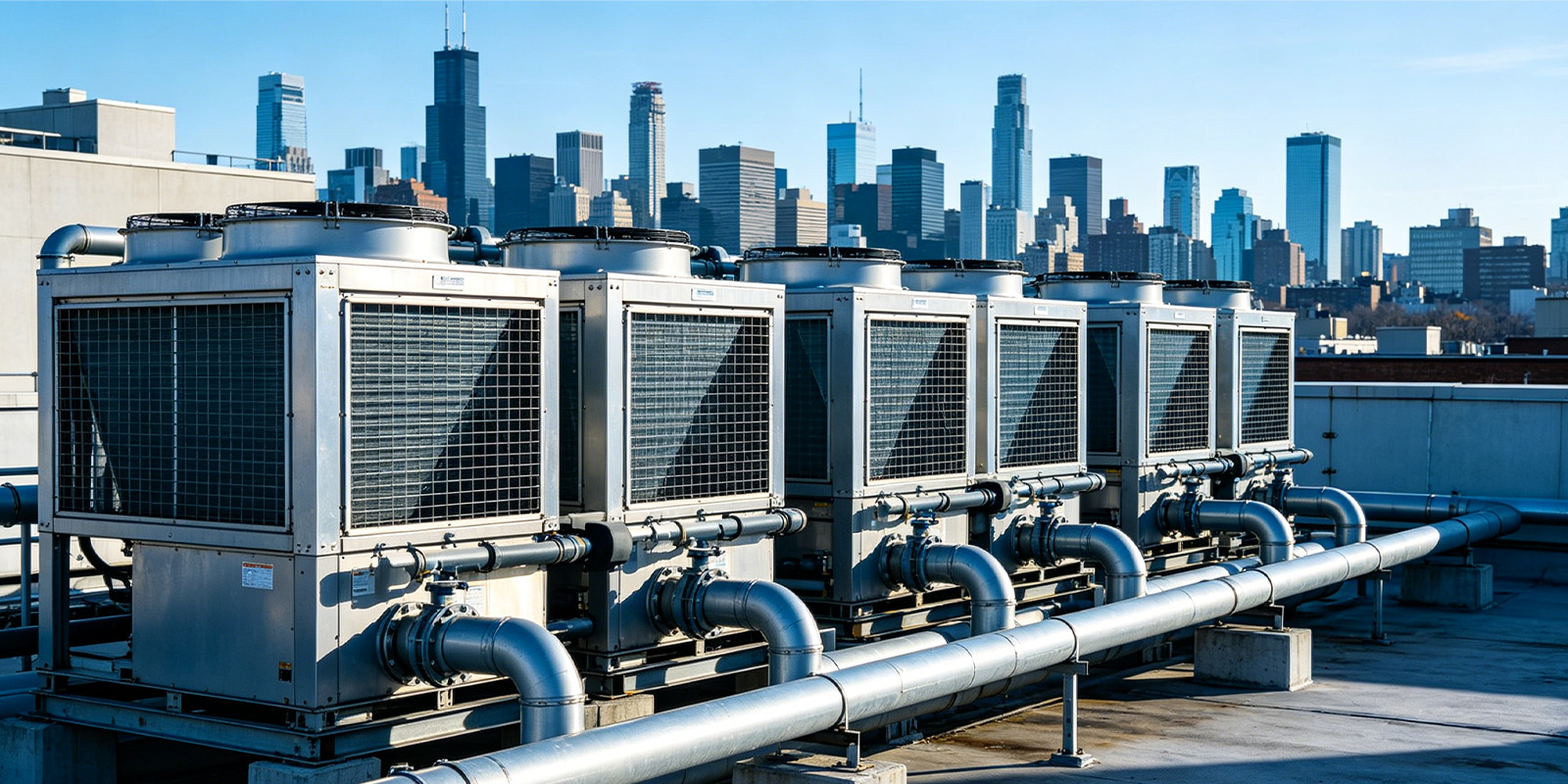
Obstructions such as dust buildup on coils, debris in the airflow path, or poorly designed installations can restrict airflow in dry coolers. This forces the fan to work harder while delivering less effective cooling.
Another common issue is airflow recirculation, where hot exhaust air is drawn back into the system. This significantly reduces the effectiveness of heat exchanger airflow and can mimic fan failure symptoms.
Optimizing system layout and ensuring clear airflow paths are critical for maintaining dry cooler efficiency.
Environmental and Operating Conditions
Environmental factors can significantly affect industrial fans performance.
In outdoor installations, dust, humidity, and temperature fluctuations can accelerate wear and reduce efficiency. In coastal or corrosive environments, fan components may degrade faster, leading to reduced reliability.
Operating conditions also play a role. Running a dry cooler system beyond its design capacity increases stress on air cooling fans, making failures more likely.
In real applications, adapting fan selection and maintenance strategies to the environment is essential for long-term performance.
A Practical Troubleshooting Approach
When a dry cooler fan not working properly, a structured diagnostic process is the most effective way to identify the issue.
In practice, engineers typically follow this sequence:
First, check airflow performance. If cooling system airflow is reduced, inspect for obstructions or coil fouling.
Second, evaluate mechanical condition. Look for vibration, noise, or visible damage to fan components.
Third, verify electrical systems. Ensure that motors, wiring, and controllers are functioning correctly.
Finally, assess system design and operating conditions. Issues such as poor airflow distribution or excessive resistance can reduce fan performance in dry coolers even when the fan itself is functional.
In some cases, upgrading to modern solutions such as EC fans energy efficient can improve reliability, provide better control, and reduce the likelihood of recurring issues.
Conclusion
When a dry cooler fan not working properly, the problem is rarely isolated to a single component. It often involves a combination of mechanical wear, electrical issues, airflow restrictions, and environmental factors.
By focusing on airflow performance, system design, and proper maintenance, operators can restore dry cooler efficiency and ensure stable operation. In modern systems, advanced technologies such as EC fans and intelligent control systems further enhance reliability and reduce the risk of failure.
FAQ Section
Q1: What is the most common reason a dry cooler fan fails?
Mechanical wear and lack of maintenance are the most common causes affecting industrial fans.
Q2: How can I tell if airflow is the problem?
Reduced cooling system airflow and rising temperatures are key indicators of airflow-related issues.
Q3: Can electrical problems cause fan failure?
Yes, faults in motors or industrial fan airflow control systems can lead to unstable or non-functioning fans.
Q4: Does system design affect fan performance?
Yes, poor airflow layout can reduce heat exchanger airflow, even if the fan is working properly.
Q5: Is upgrading to EC fans a good solution?
Yes, EC fans energy efficient improve control, reliability, and overall system efficiency.