











 English
 Français
 Deutsch
 Português
 Español
 русский
  한국어
한국어 العربية
 Italiano
 Indonesia
 Schweiz
 Polski
 Nederlands
 ישראל - עברית
 Perzisch
 ไทย
ไทย 日本語
日本語 ኢትዮ-አማርኛ
 Việt Nam
 Kiswahili
 Srpski
 Ελληνικά
 繁體中文
繁體中文Energy Saving Strategies for Dry Cooler Fan Systems
05/27/2026Introduction
In modern industrial cooling systems, energy consumption has become one of the most critical operational concerns. A dry cooler system is widely used in HVAC plants, data centers, and industrial process cooling due to its water-free operation, but its energy efficiency is heavily influenced by the performance of industrial fans.
In real engineering applications, fan systems can account for a large portion of total energy usage. This means that improving the efficiency of a dry cooler fan is often the most effective way to reduce overall system power consumption. Instead of focusing only on heat exchanger design, modern optimization strategies increasingly target airflow control, fan selection, and operational efficiency.
Why Fans Are the Main Energy Consumer in Dry Cooler Systems
In a dry cooler system, heat rejection depends entirely on forced airflow. This airflow is generated by industrial cooling fans, which must operate continuously in most installations.
Unlike pumps or control systems, fans often run for long periods under varying load conditions. When operated inefficiently—such as running at constant speed regardless of demand—they become the largest contributor to unnecessary energy consumption.
From a system perspective, the efficiency of cooling system airflow directly determines how much power is required to achieve the desired heat transfer performance. Poorly optimized airflow leads to higher resistance, forcing air cooling fans to consume more energy to maintain the same cooling output.
Optimizing Fan Selection for Lower Energy Use
One of the most effective energy saving strategies begins at the design stage: selecting the correct industrial fan for the system.
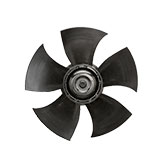
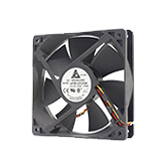
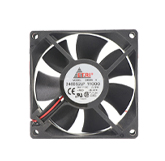
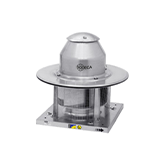
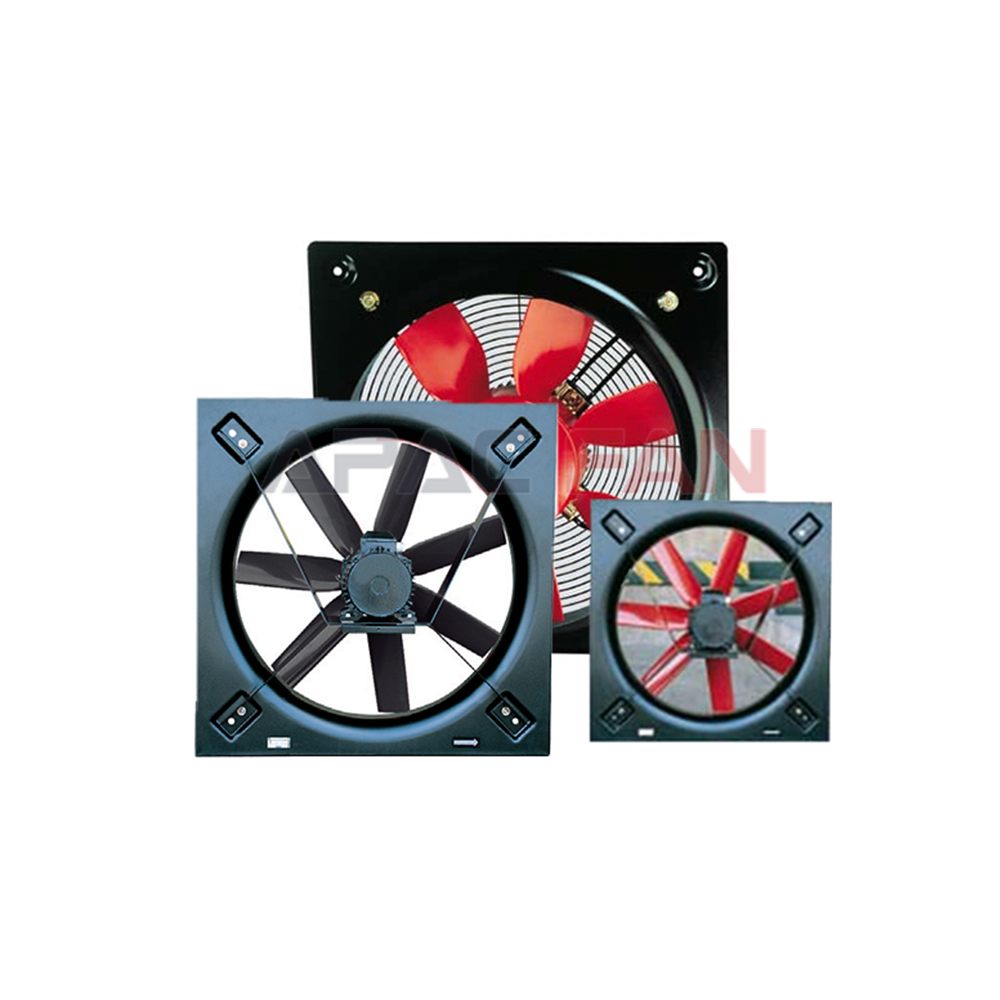
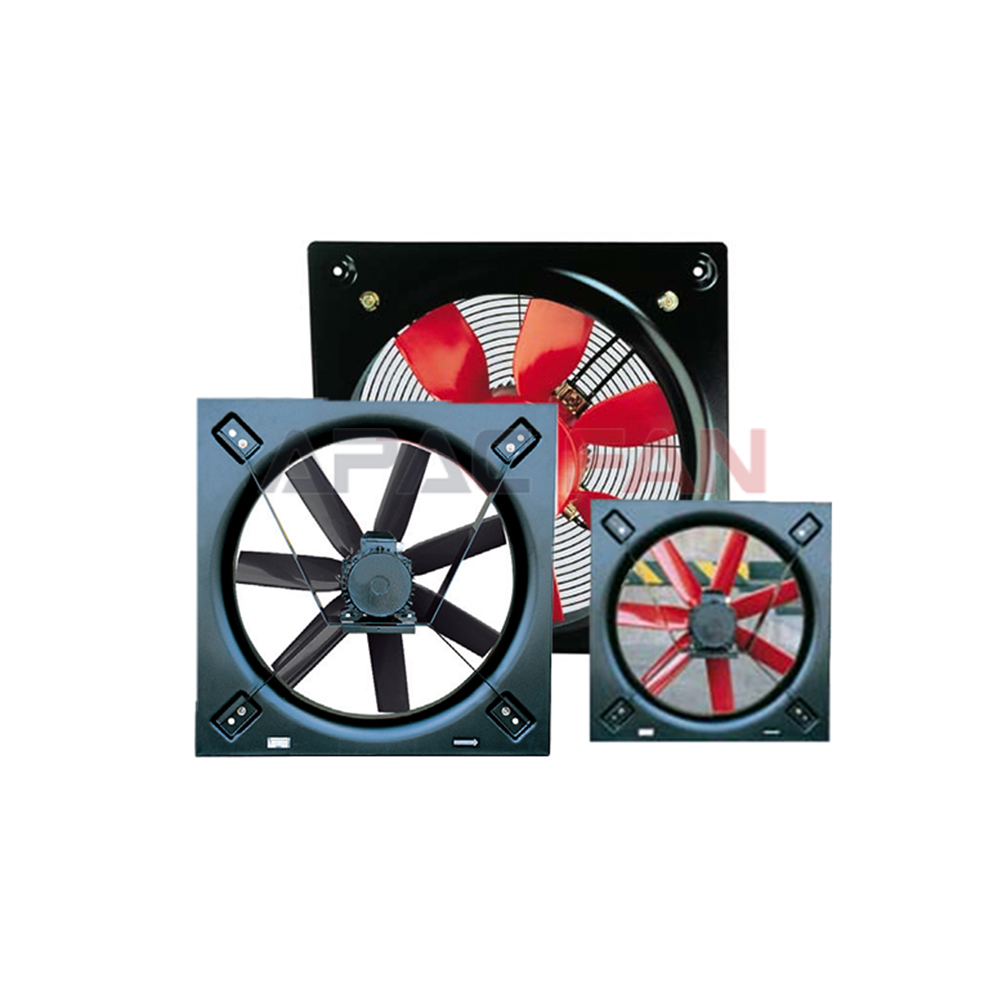
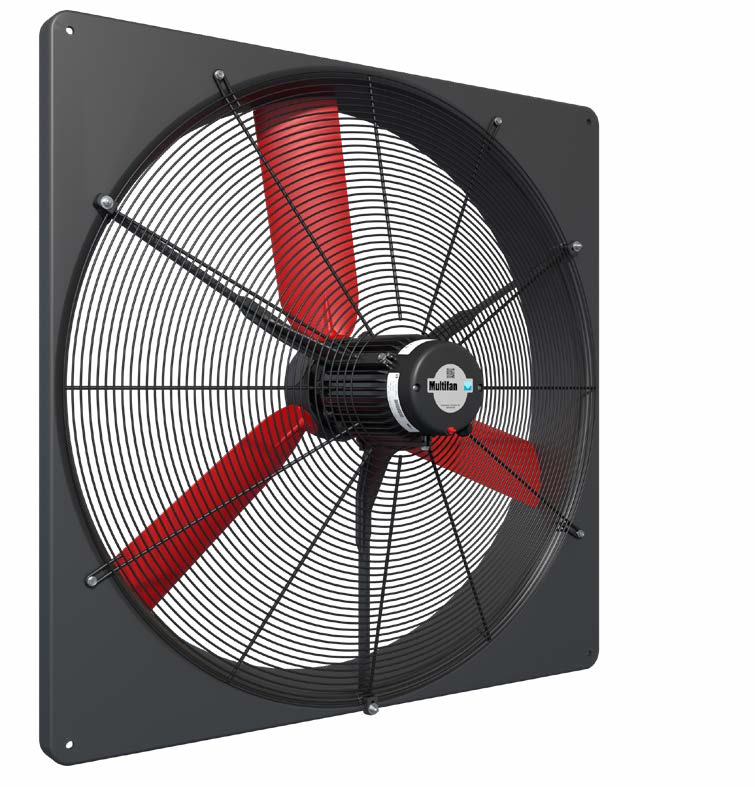
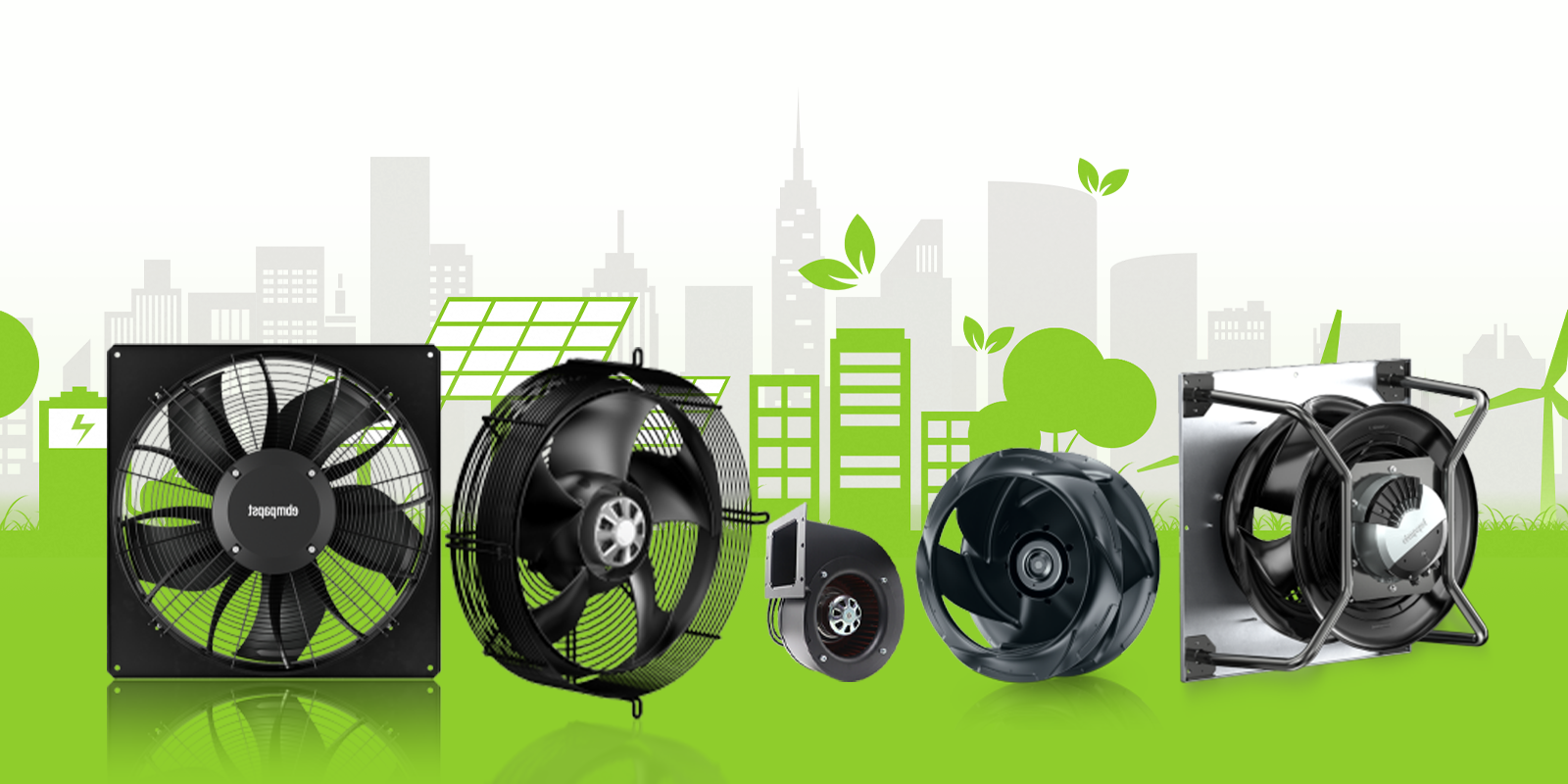
In typical applications, axial fans for dry coolers are widely used because they provide high airflow with relatively low power input, making them suitable for large-scale heat rejection systems.
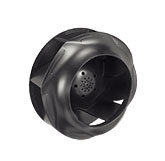
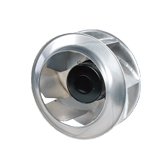
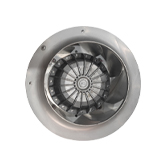
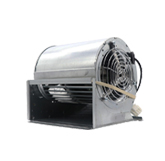
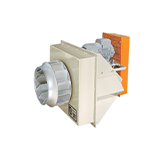
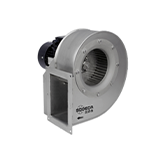
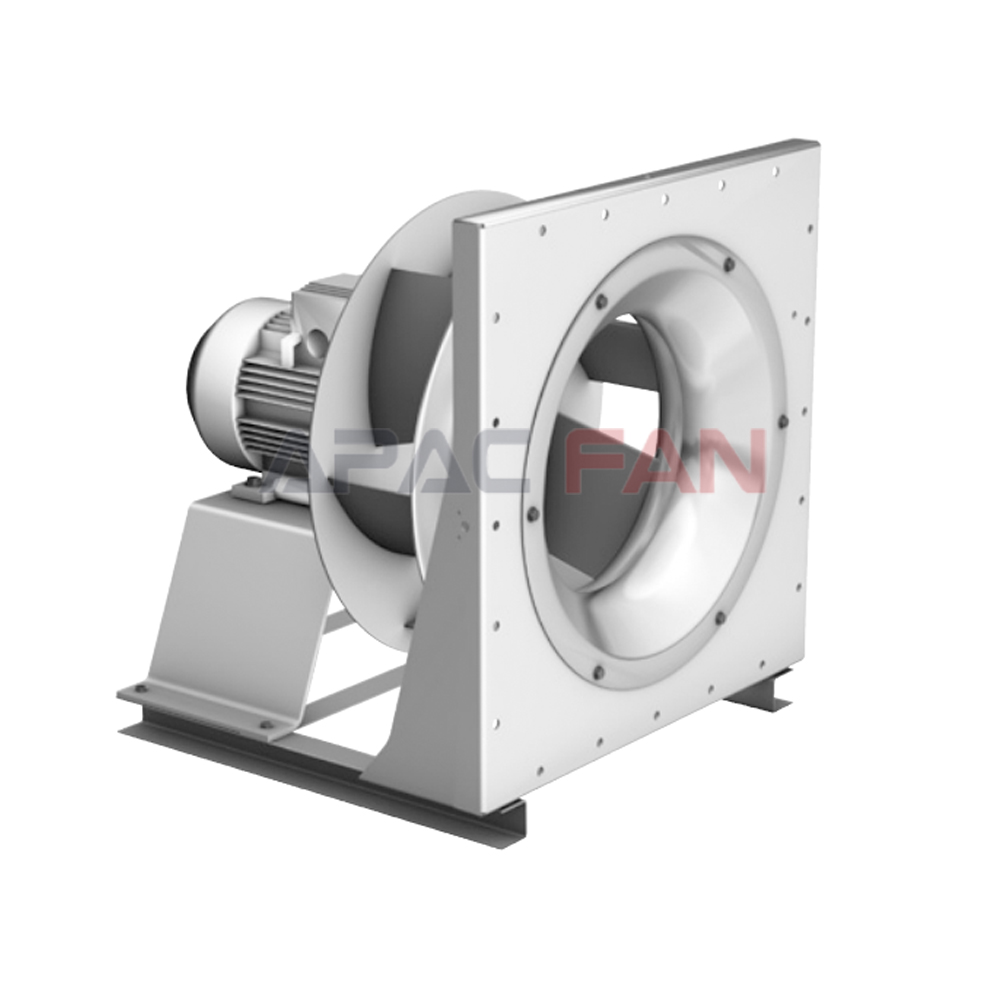
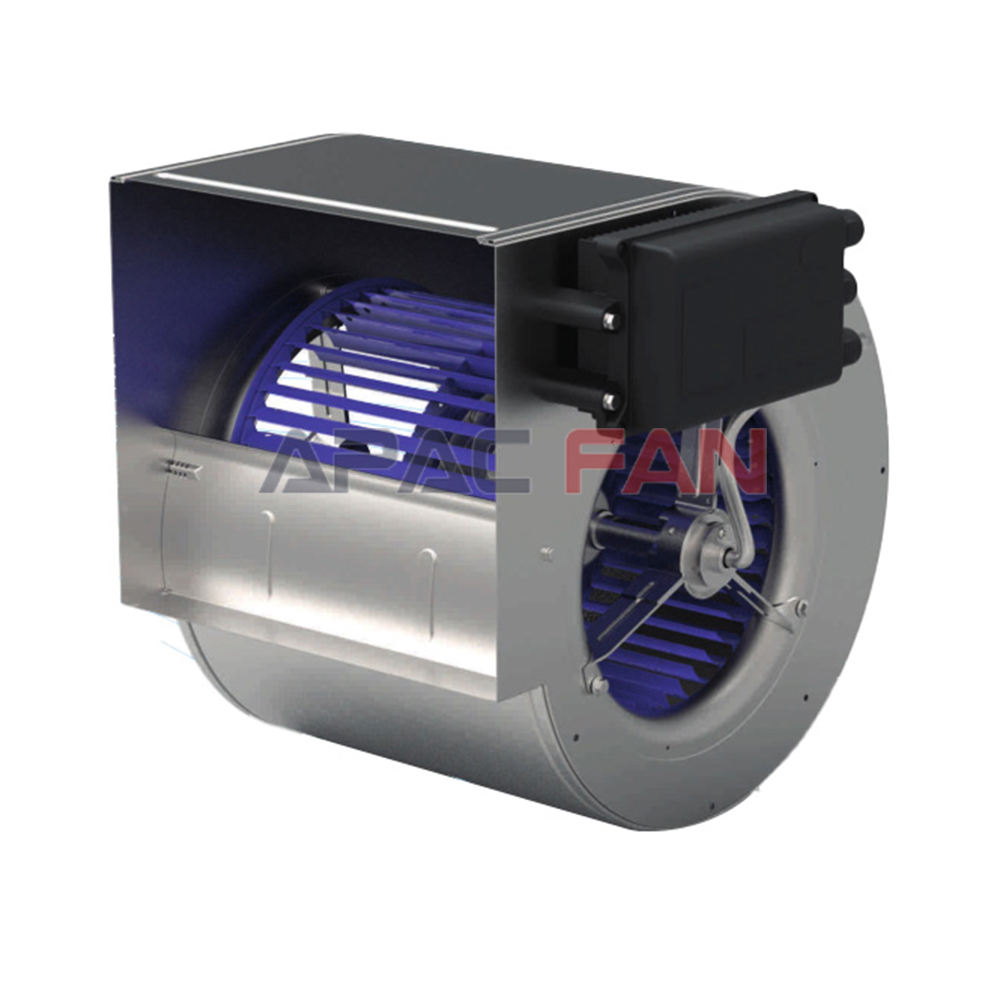
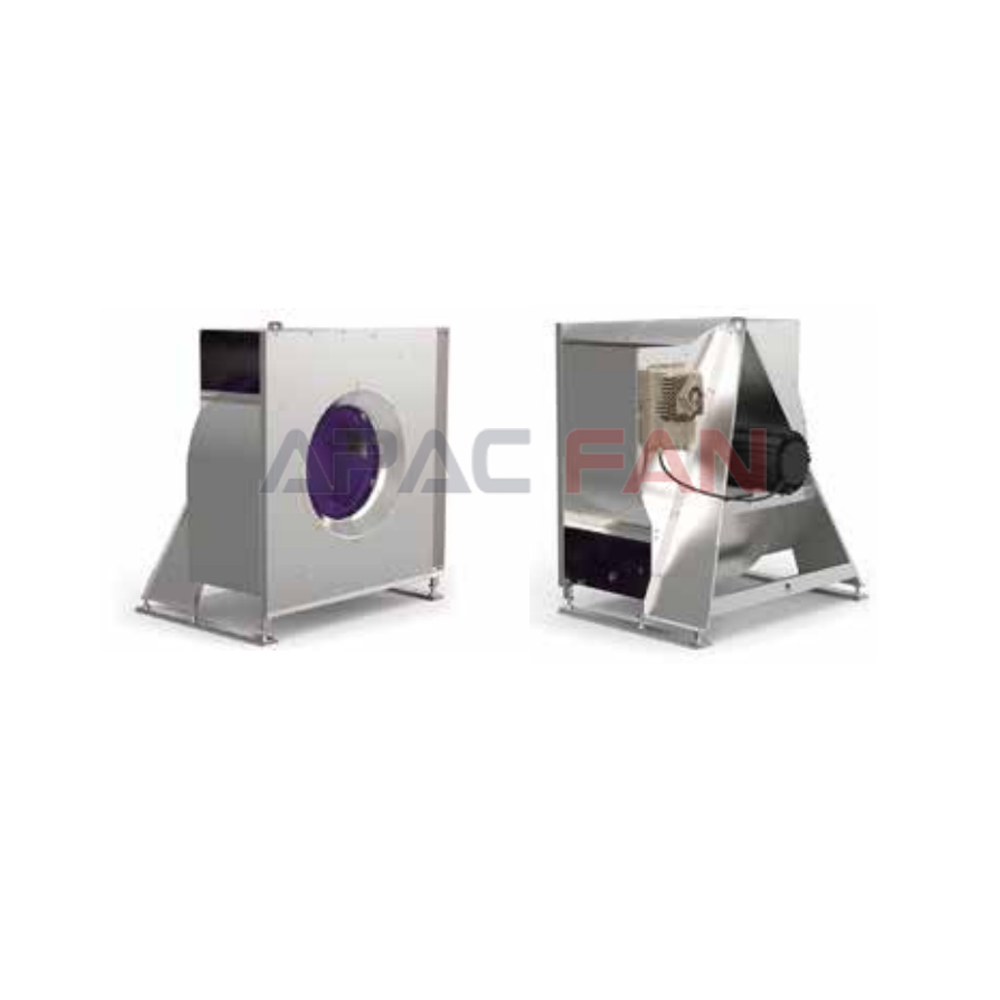
For systems with higher static resistance, such as compact HVAC units or ducted airflow paths, centrifugal fans industrial are more appropriate due to their ability to maintain airflow under pressure.
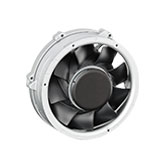
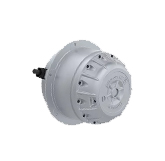
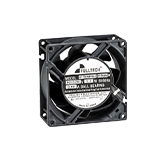
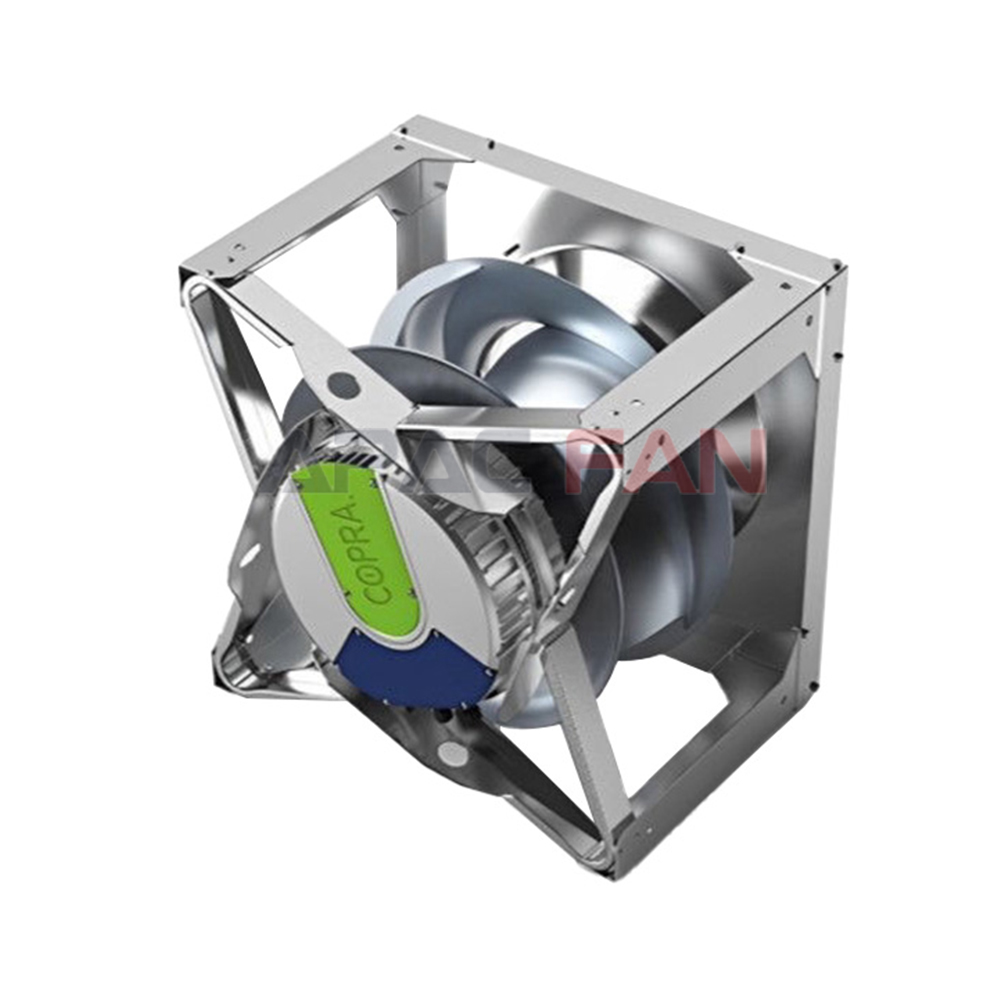
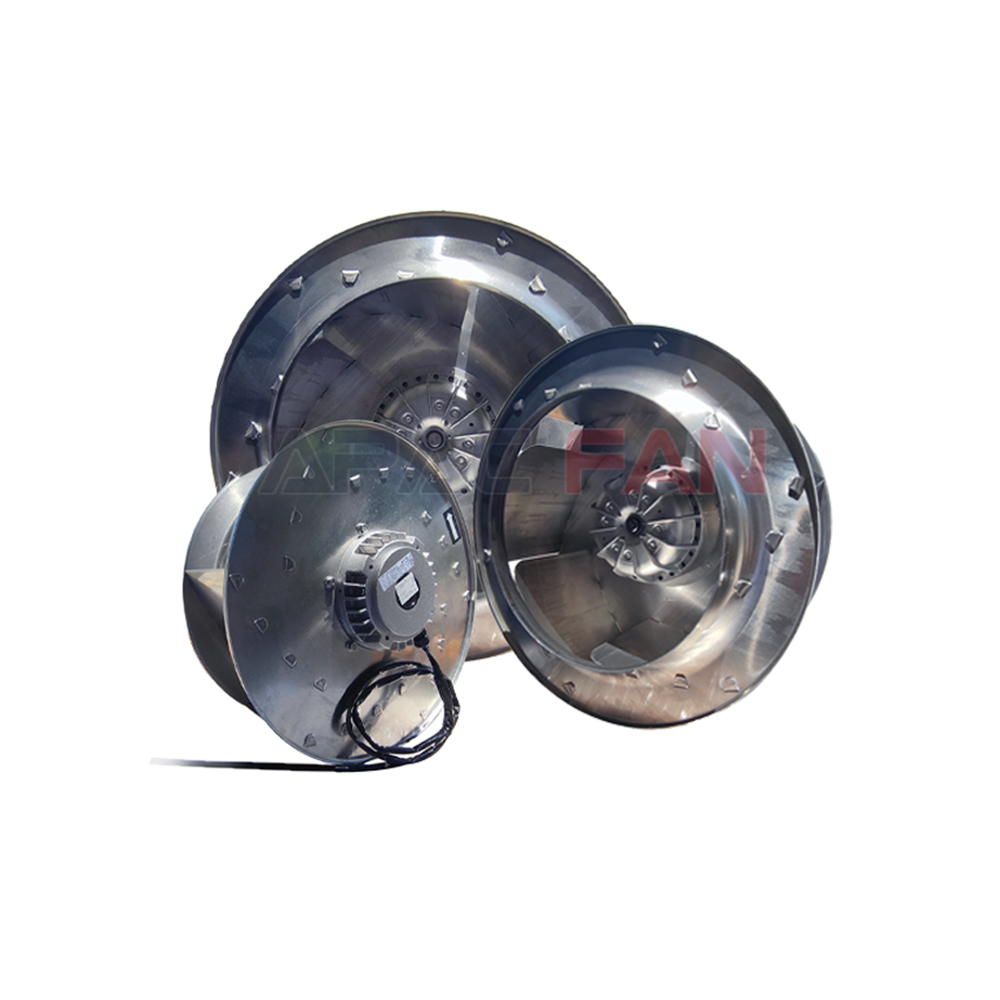
However, the most significant efficiency improvement in recent years comes from EC fans energy efficient technology. These fans integrate electronic control directly into the motor, allowing precise industrial fan airflow control and eliminating the need for external regulation systems. In real-world applications, this leads to significant reductions in energy consumption, especially under partial load conditions.
Variable Speed Control as a Core Energy Strategy
A major inefficiency in traditional systems is constant-speed operation. Many dry cooler fan systems operate at full capacity even when cooling demand is low, resulting in unnecessary energy waste.
Modern systems address this through variable speed control, allowing industrial cooling fans to adjust output based on real-time temperature and load conditions.
Technologies such as EC motors and variable frequency drives enable dynamic adjustment of cooling system airflow, ensuring that energy is only used when required. In real HVAC and data center applications, this strategy can significantly reduce fan energy consumption, especially during night-time or partial load operation.
Beyond energy savings, variable speed operation also reduces mechanical stress, leading to improved long-term fan performance in dry coolers.
Airflow Optimization and System Design Efficiency
Energy efficiency is not determined by fan technology alone. System layout and airflow design play a crucial role in overall performance.
In real installations, inefficient airflow paths or obstructions can increase resistance in the dry cooler system, forcing fans to consume more energy to maintain performance.
Proper system design ensures uniform heat exchanger airflow, minimizing turbulence and reducing unnecessary pressure loss. This allows air cooling fans to operate more efficiently, achieving the same cooling output with lower energy input.
From an engineering perspective, reducing airflow resistance is one of the most cost-effective ways to improve cooling efficiency optimization without hardware changes.
Smart Control and Real-Time Energy Optimization
Modern energy saving strategies increasingly rely on intelligent monitoring and automation systems.
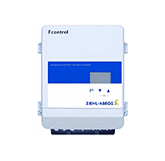
By integrating sensors that track temperature, airflow, and fan performance, operators can gain real-time visibility into industrial fan airflow control. This data allows automatic adjustments to dry cooler fan systems, ensuring optimal operation under changing conditions.
In advanced HVAC and industrial cooling applications, smart control systems can predict load variations and adjust fan speed proactively. This reduces energy waste while maintaining stable system performance.
Automation also helps identify early signs of inefficiency, such as reduced airflow or fan degradation, allowing preventive action before energy consumption increases.
Maintenance as a Long-Term Energy Strategy
Even the most efficient system will lose performance without proper maintenance. Over time, dust accumulation, mechanical wear, and environmental exposure can reduce heat exchanger airflow, forcing fans to work harder.
Regular maintenance of industrial cooling fans ensures stable airflow and prevents gradual efficiency loss. Cleaning coils, inspecting fan blades, and monitoring vibration levels are essential steps in maintaining long-term performance.
In older systems, upgrading to EC fans energy efficient can also provide immediate improvements in energy efficiency while reducing maintenance requirements.
Conclusion
Energy saving in a dry cooler system is not achieved through a single improvement, but through a combination of smart fan selection, airflow optimization, and intelligent control strategies.
The efficiency of industrial fans plays a central role in determining overall system energy consumption. By adopting modern technologies such as EC motors, variable speed control, and optimized airflow design, businesses can significantly reduce operating costs while improving system reliability.
In today’s energy-conscious industrial environment, optimizing dry cooler fan systems is one of the most effective ways to achieve sustainable cooling performance.
FAQ Section
Q1: Why do dry cooler fan systems consume so much energy?
Because industrial fans operate continuously to maintain airflow for heat dissipation in a dry cooler system.
Q2: What is the best way to reduce energy consumption?
Using EC fans energy efficient, optimizing airflow, and implementing variable speed control are the most effective strategies.
Q3: Are EC fans really more efficient?
Yes, they provide precise industrial fan airflow control and reduce energy consumption, especially under partial load conditions.
Q4: Does airflow design affect energy usage?
Yes, poor cooling system airflow increases resistance, forcing fans to consume more power.
Q5: Is maintenance important for energy saving?
Yes, regular maintenance ensures stable heat exchanger airflow and prevents unnecessary energy loss.