














 English
 Français
 Deutsch
 Português
 Español
 русский
  한국어
한국어 العربية
 Italiano
 Indonesia
 Schweiz
 Polski
 Nederlands
 ישראל - עברית
 Perzisch
 ไทย
ไทย 日本語
日本語 ኢትዮ-አማርኛ
 Việt Nam
 Kiswahili
 Srpski
 Ελληνικά
 繁體中文
繁體中文How Do Fans Work in Dry Cooler Systems?
05/15/2026Introduction
In modern industrial cooling applications, the dry cooler system plays a critical role in maintaining temperature control without relying on water evaporation. At the core of its operation are industrial fans, which ensure continuous airflow and effective heat dissipation. The performance of a dry cooler fan directly influences system efficiency, energy consumption, and operational stability. Understanding how these air cooling fans function within the system is essential for engineers, facility managers, and anyone involved in industrial cooling solutions.

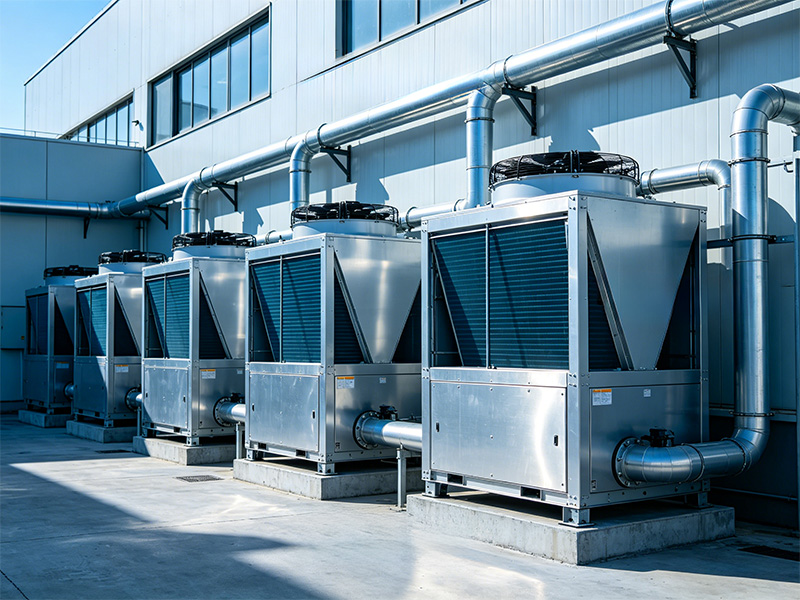
Understanding the Working Principle of Dry Cooler Fans
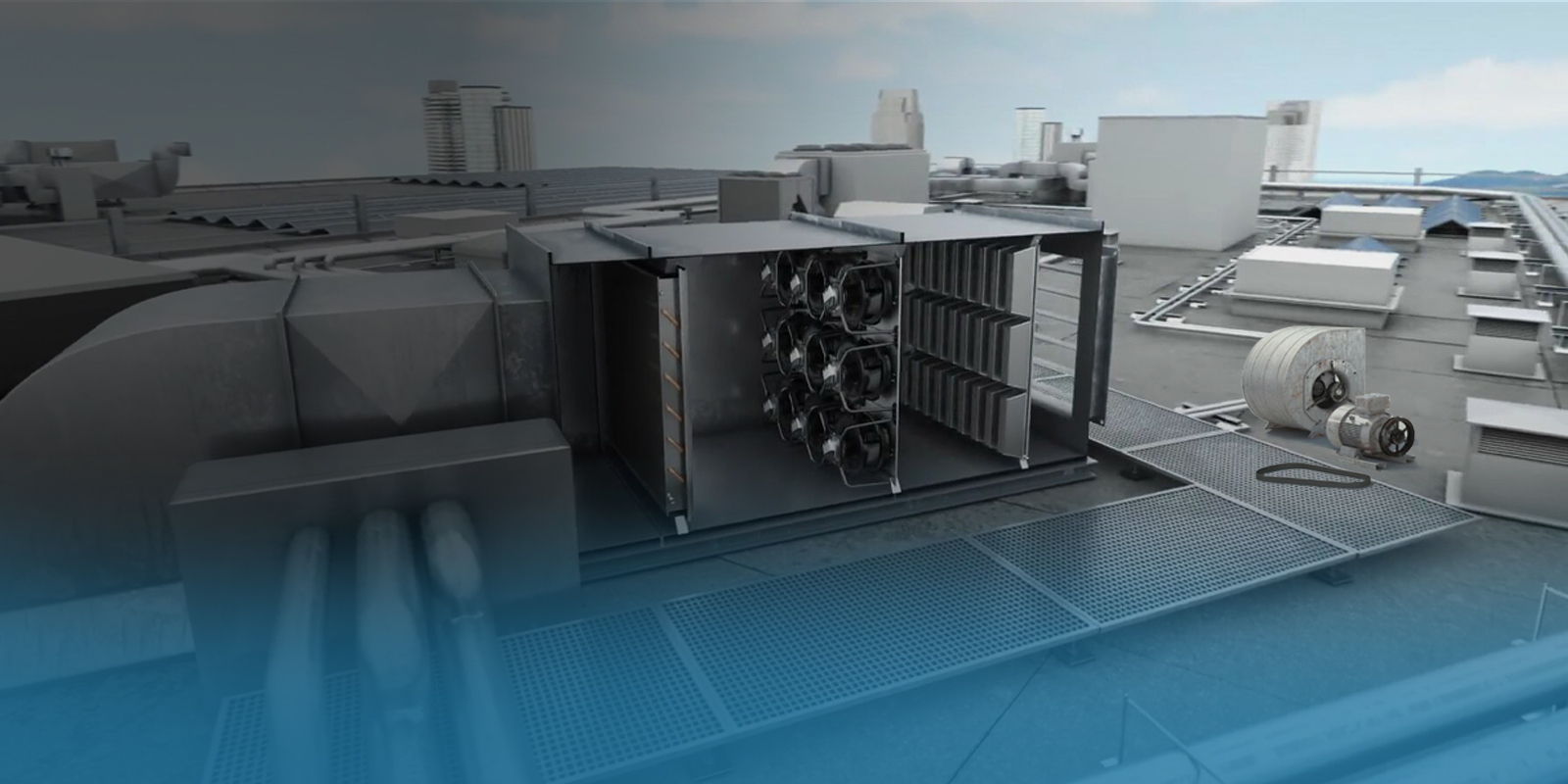
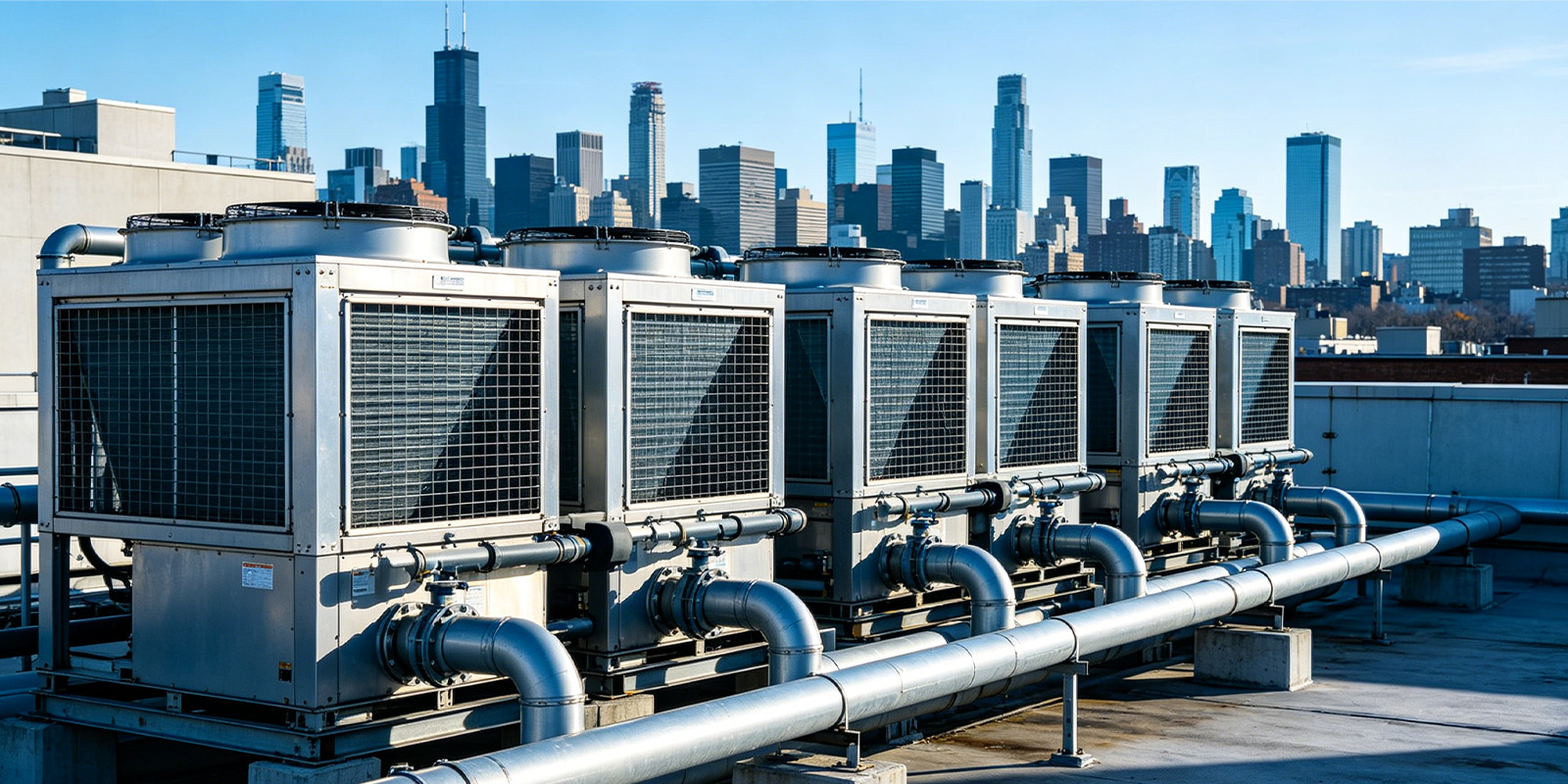
A dry cooler system operates by transferring heat from a circulating fluid to the surrounding air through a finned heat exchanger. In this process, the dry cooler fan working principle is centered on generating consistent airflow across the coil surface. When the industrial fan rotates, it creates a pressure difference that pulls ambient air through the heat exchanger. As the air passes over the fins, it absorbs heat from the fluid inside the tubes and carries it away, enabling continuous cooling. This interaction between heat exchanger airflow and ambient conditions forms the foundation of the industrial cooling process, making fan performance a decisive factor in overall system efficiency.
The Role of Airflow in Heat Transfer Efficiency
Airflow is the key driver behind effective heat dissipation in any dry cooler system. The stronger and more uniform the airflow generated by air cooling fans, the more efficient the heat exchange becomes. When airflow is insufficient, heat accumulates within the system, reducing cooling capacity and potentially leading to overheating. On the other hand, optimized cooling system airflow ensures that the maximum amount of heat is removed in the shortest possible time. This is why selecting the right industrial cooling fans and ensuring proper airflow design is crucial for maintaining high cooling efficiency in demanding environments.
Types of Fans Used in Dry Cooler Systems
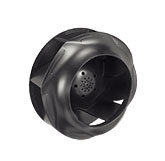
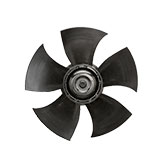
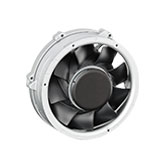
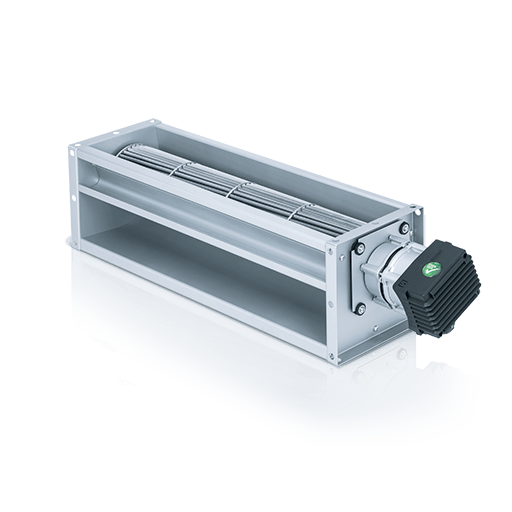
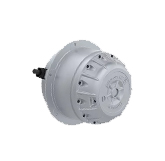
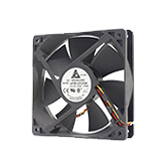
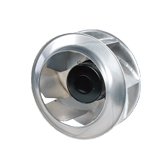
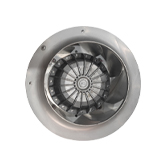
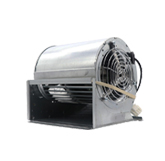
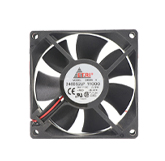
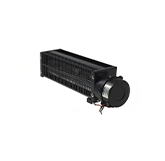
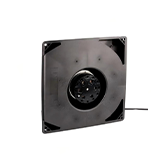
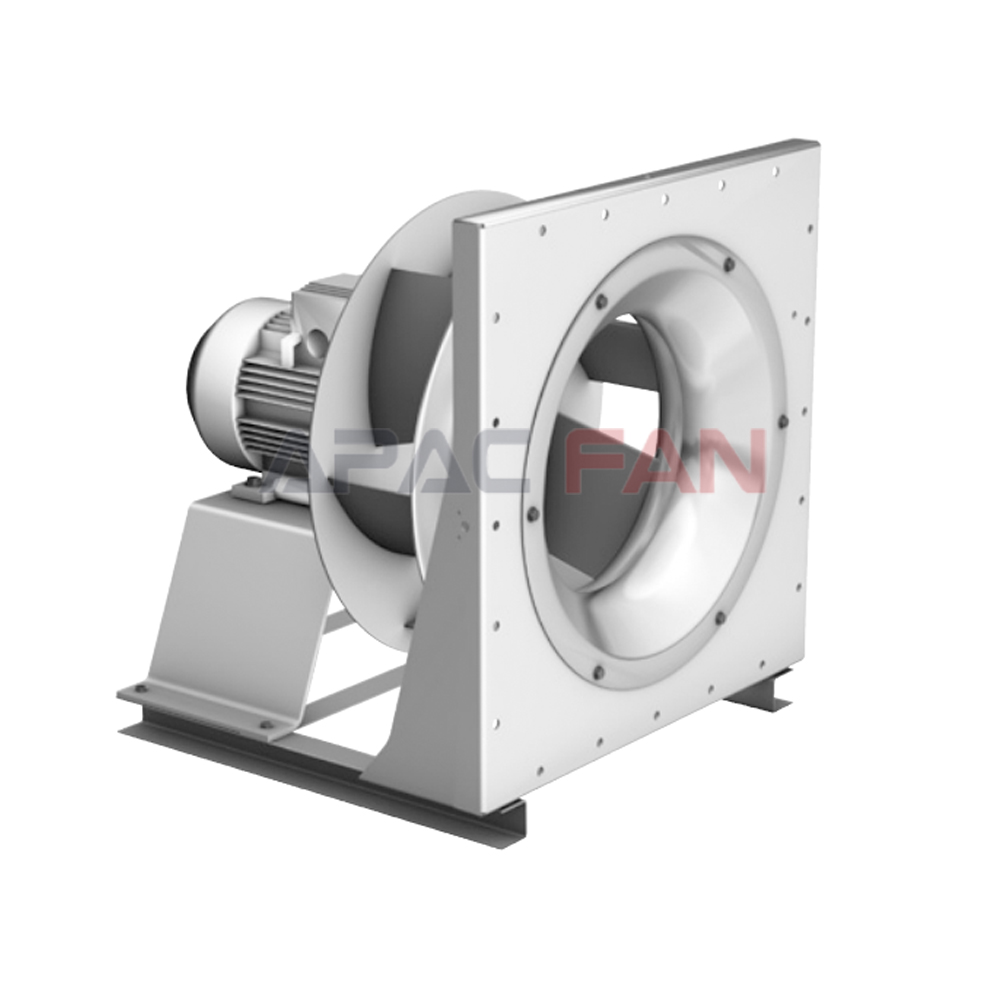
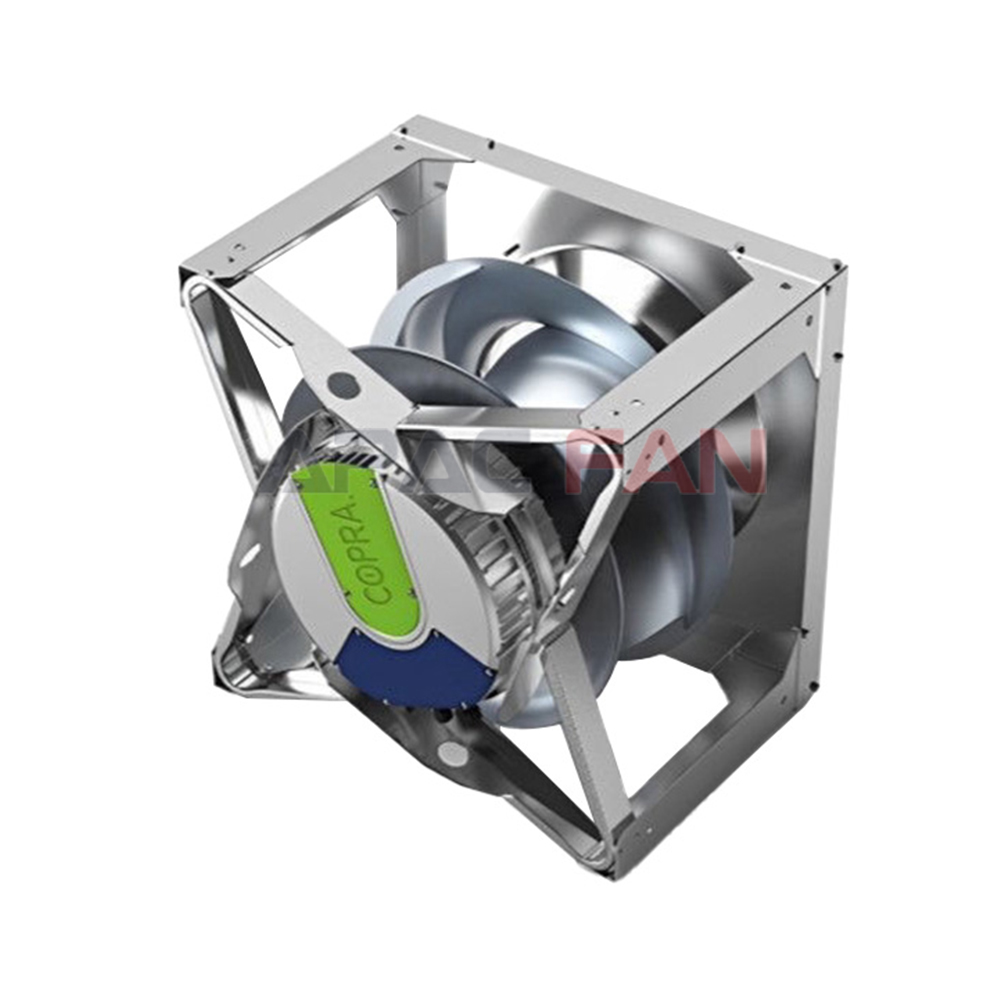
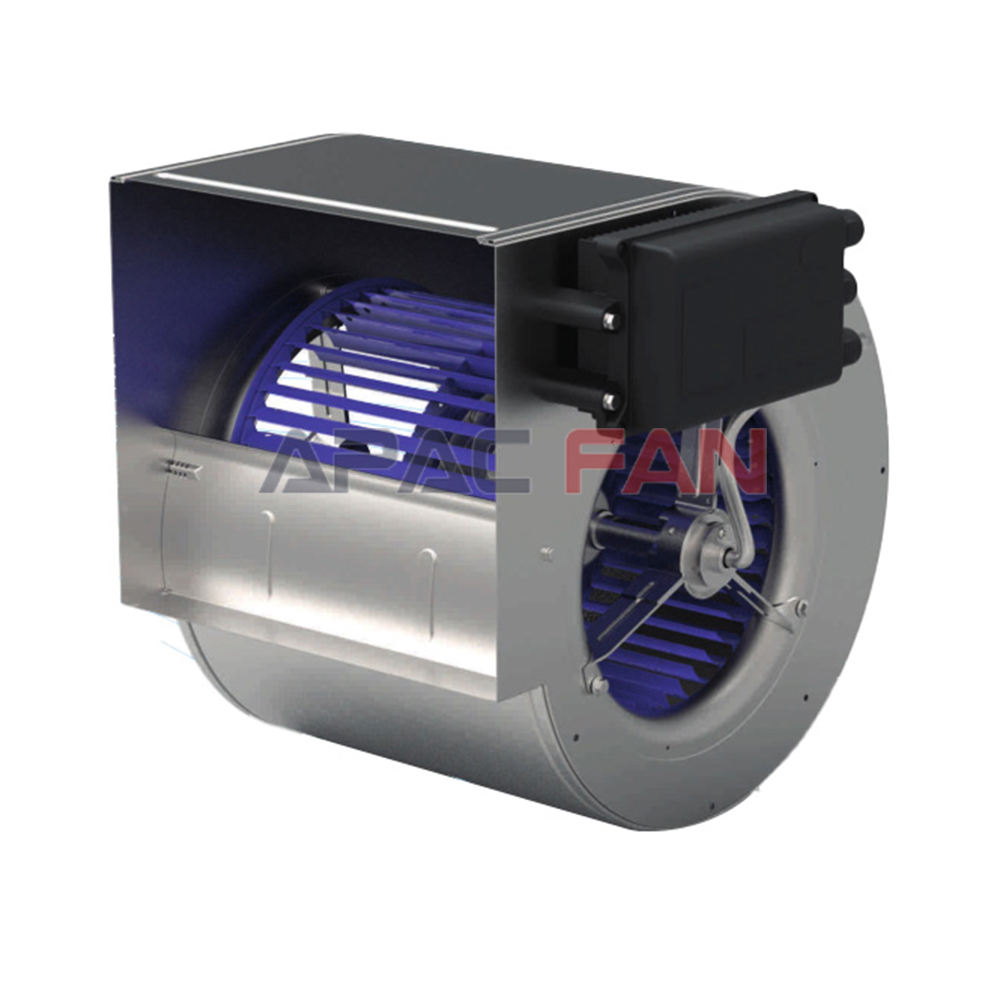
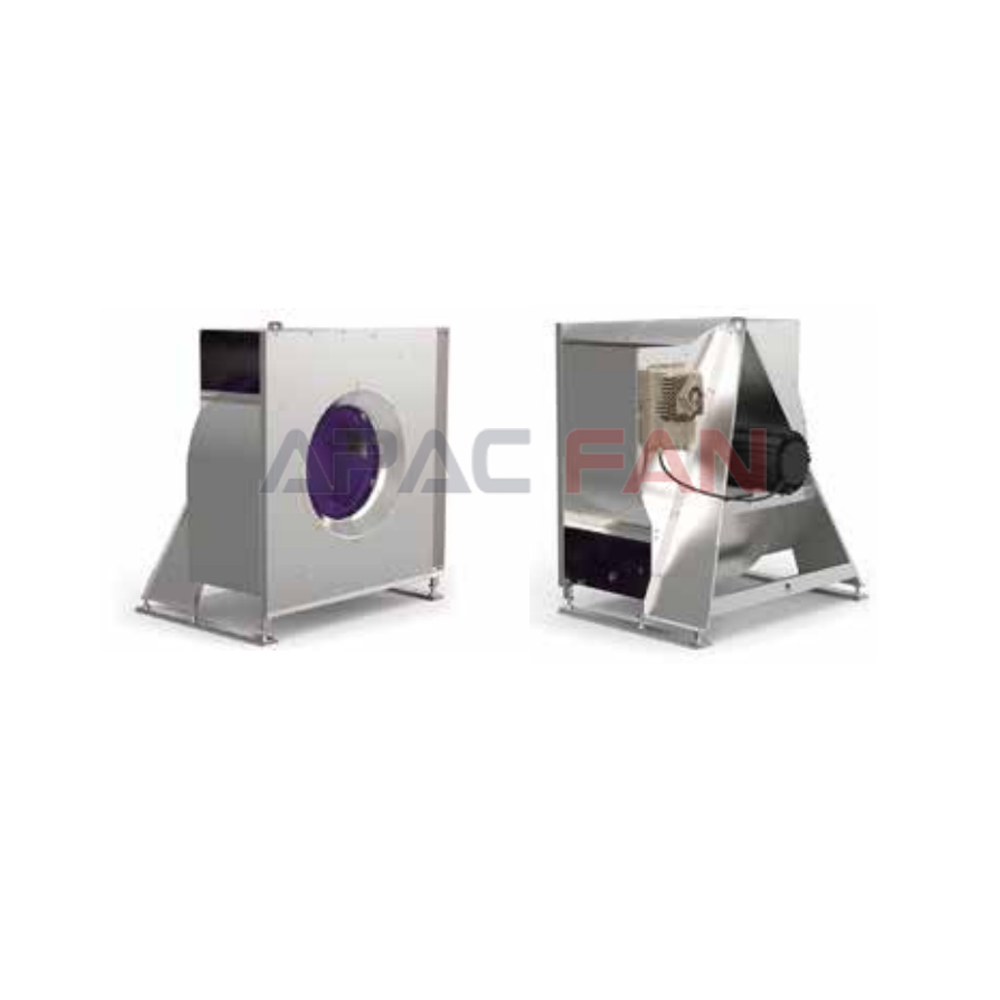
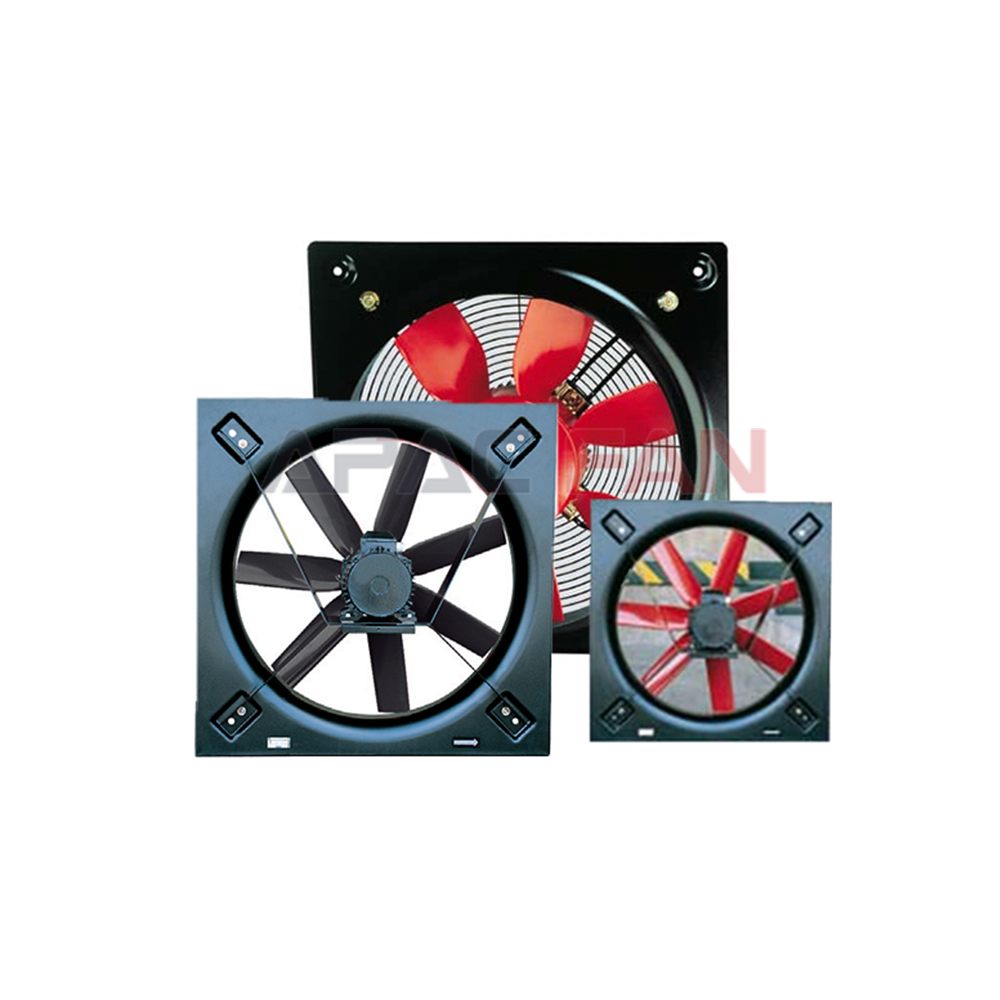
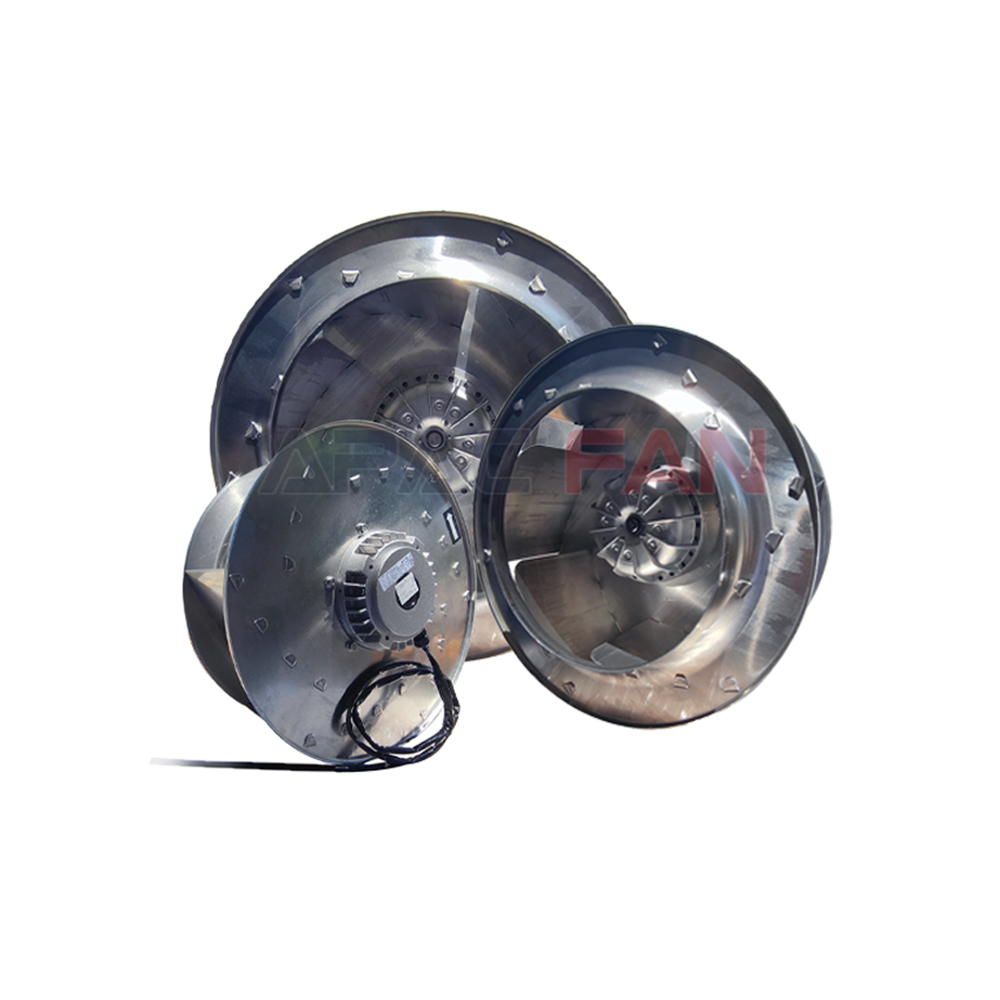
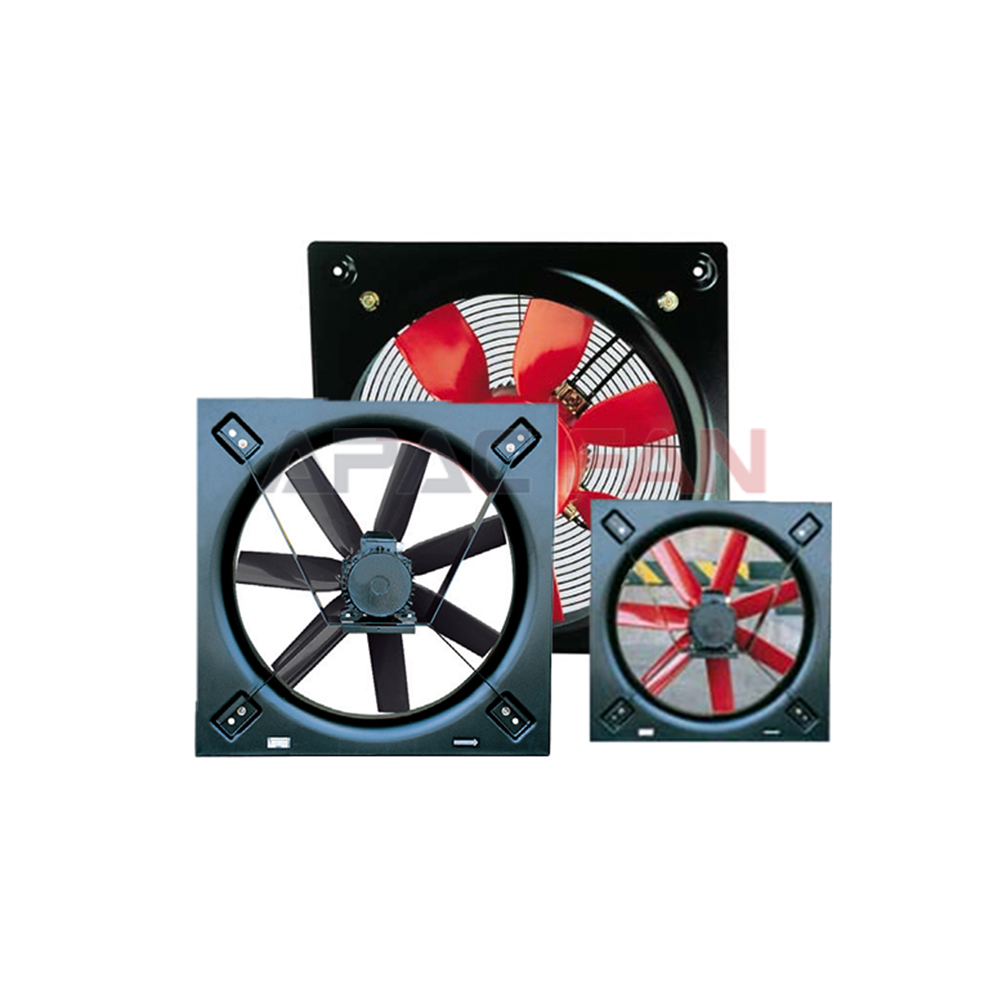
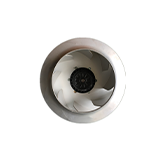
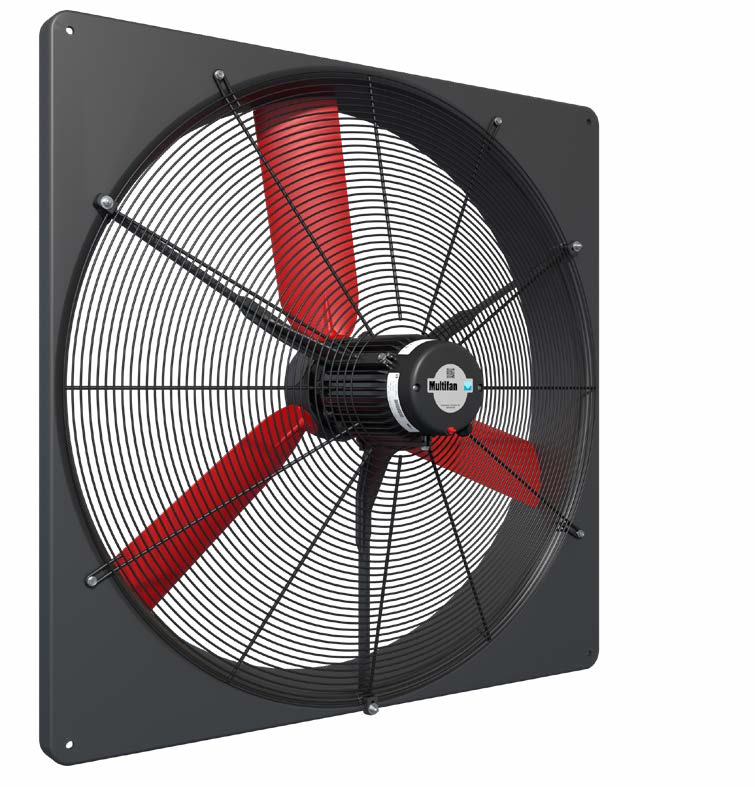
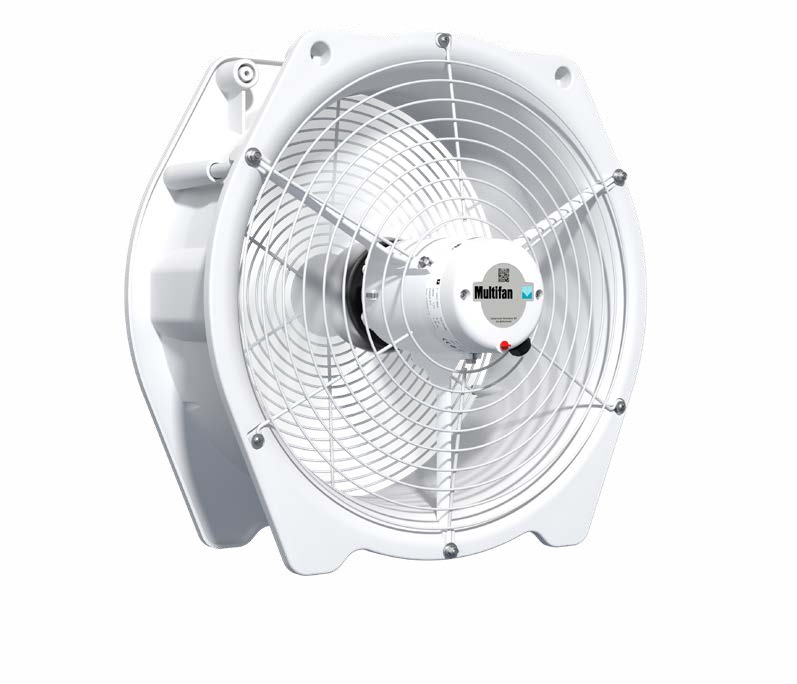
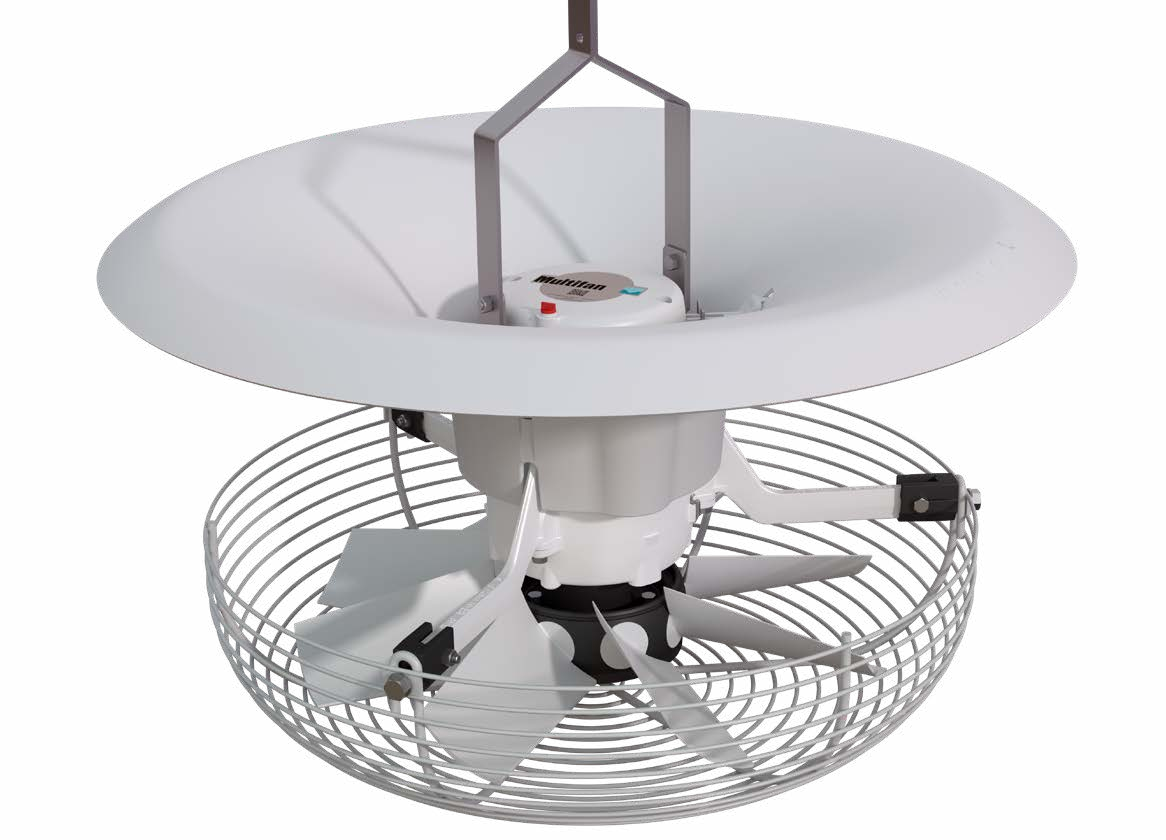
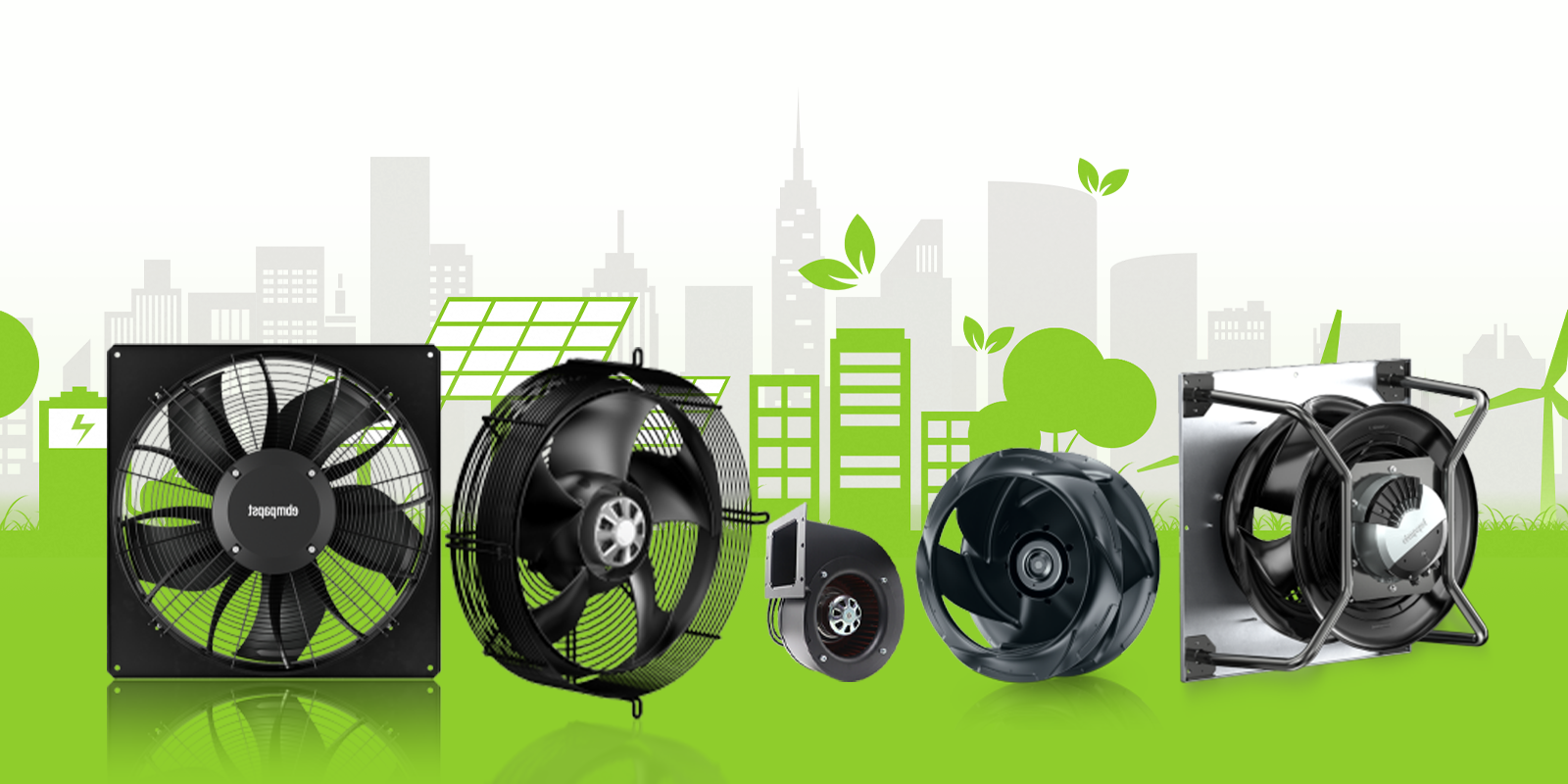
Different types of fans are used in dry cooler systems, depending on the required airflow and pressure characteristics. The most common option is the axial fan for dry coolers, which is designed to move large volumes of air efficiently along the axis of rotation. In applications where higher resistance must be overcome, centrifugal fans industrial are used because they can generate greater static pressure. In recent years, EC fans energy efficient have become increasingly popular due to their ability to provide precise speed control, reduced noise levels, and significant energy savings. The choice of fan type directly affects the fan performance in dry coolers, influencing both operational efficiency and long-term cost.
Key Factors Affecting Fan Performance
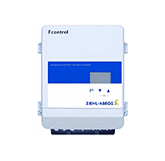
The effectiveness of a dry cooler fan is influenced by several interconnected factors. Airflow volume, often measured in CFM, determines how much air passes through the heat exchanger and directly impacts heat transfer capability. At the same time, static pressure created by the system’s resistance can limit airflow if not properly managed. Additionally, modern systems benefit from industrial fan airflow control, where variable speed drives or EC technology adjust fan speed based on real-time cooling demand. Environmental conditions such as ambient temperature and air density also play a significant role, as they affect how efficiently heat can be removed. Optimizing these variables is essential for achieving superior cooling efficiency optimization in industrial applications.
Benefits of Optimized Fan Operation
When industrial fans are properly selected and optimized, they significantly enhance the performance of the dry cooler system. Efficient fan operation reduces energy consumption while maintaining stable cooling output, which is particularly important in industries with continuous processes. Improved dry cooler fan performance also minimizes wear and tear, extending equipment lifespan and lowering maintenance costs. Furthermore, advanced technologies such as EC fans energy efficient contribute to quieter operation and better system responsiveness, making them a preferred choice in modern installations.
Common Challenges and Practical Solutions
Despite their advantages, dry cooler systems can face challenges related to fan operation. Poor airflow distribution, excessive noise, or high energy consumption are often linked to suboptimal fan selection or system design. Addressing these issues typically involves upgrading to more advanced industrial cooling fans, improving airflow pathways, or implementing smart control systems. Regular maintenance, including cleaning fan blades and heat exchanger surfaces, also ensures consistent heat exchanger airflow and prevents performance degradation over time.
FAQ Section
Q1: What is the main function of a dry cooler fan?
The main function of a dry cooler fan is to generate airflow that carries heat away from the heat exchanger, enabling efficient cooling of the circulating fluid.
Q2: Why are axial fans commonly used in dry coolers?
Axial fans for dry coolers are widely used because they provide high airflow with relatively low energy consumption, making them ideal for large-scale cooling applications.
Q3: How do EC fans improve system efficiency?
EC fans energy efficient use advanced motor technology to adjust speed precisely, reducing power consumption while maintaining optimal airflow.
Q4: What happens if airflow is insufficient in a dry cooler system?
Insufficient cooling system airflow can lead to poor heat transfer, reduced cooling efficiency, and potential system overheating.
Q5: How can fan performance be optimized in dry coolers?
Optimizing fan performance in dry coolers involves selecting the right fan type, ensuring proper airflow design, and using variable speed control systems.