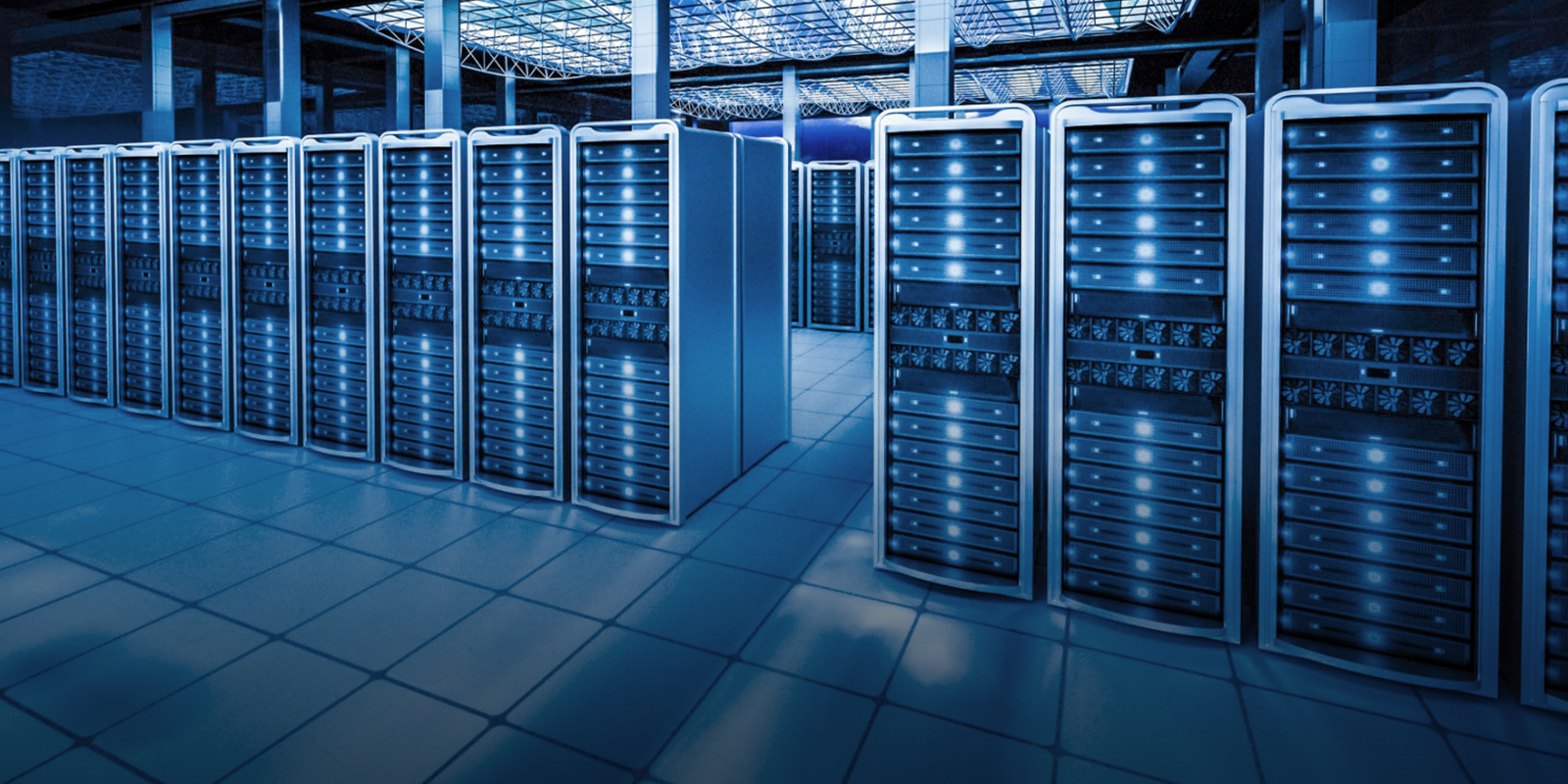
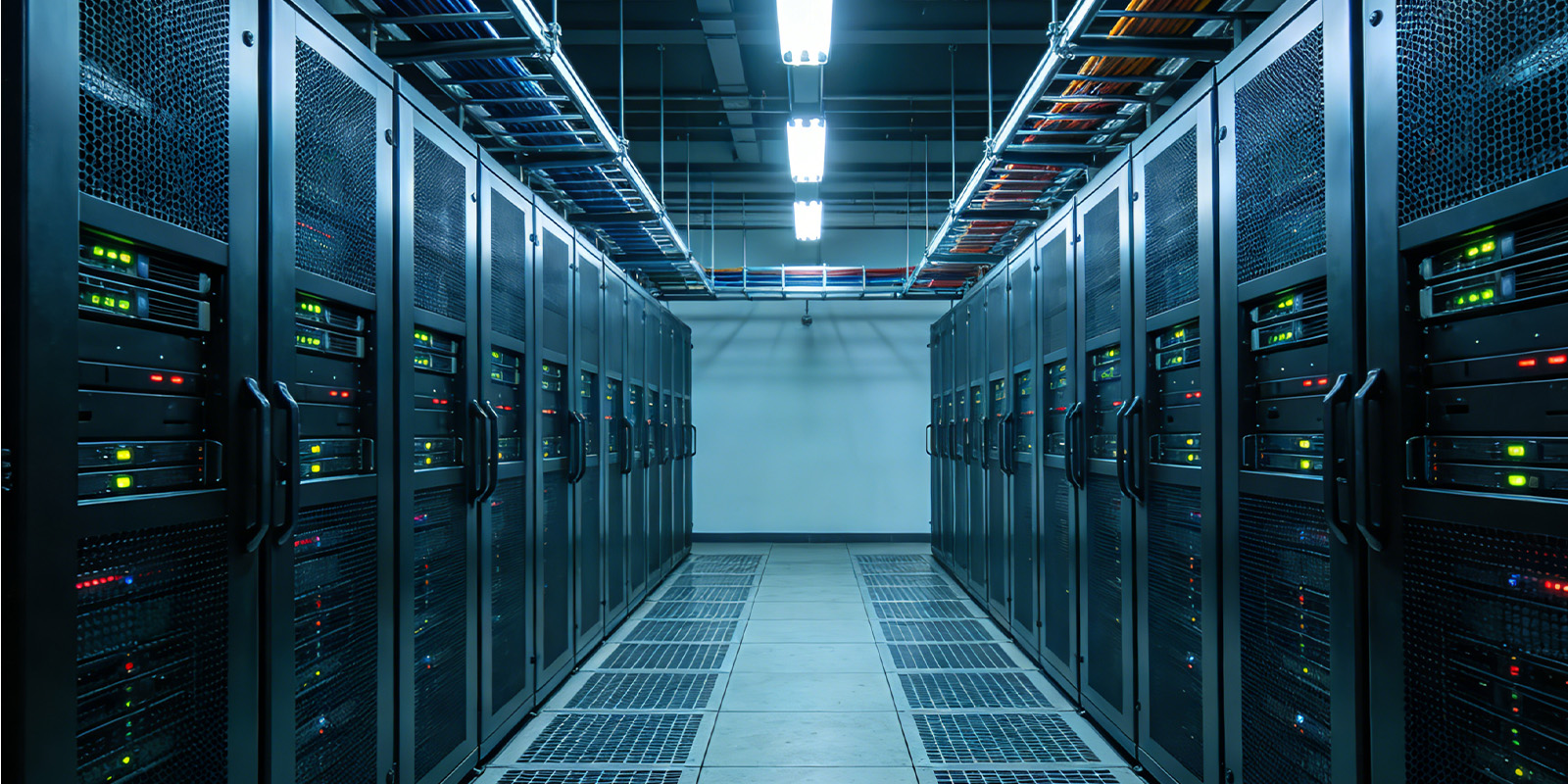
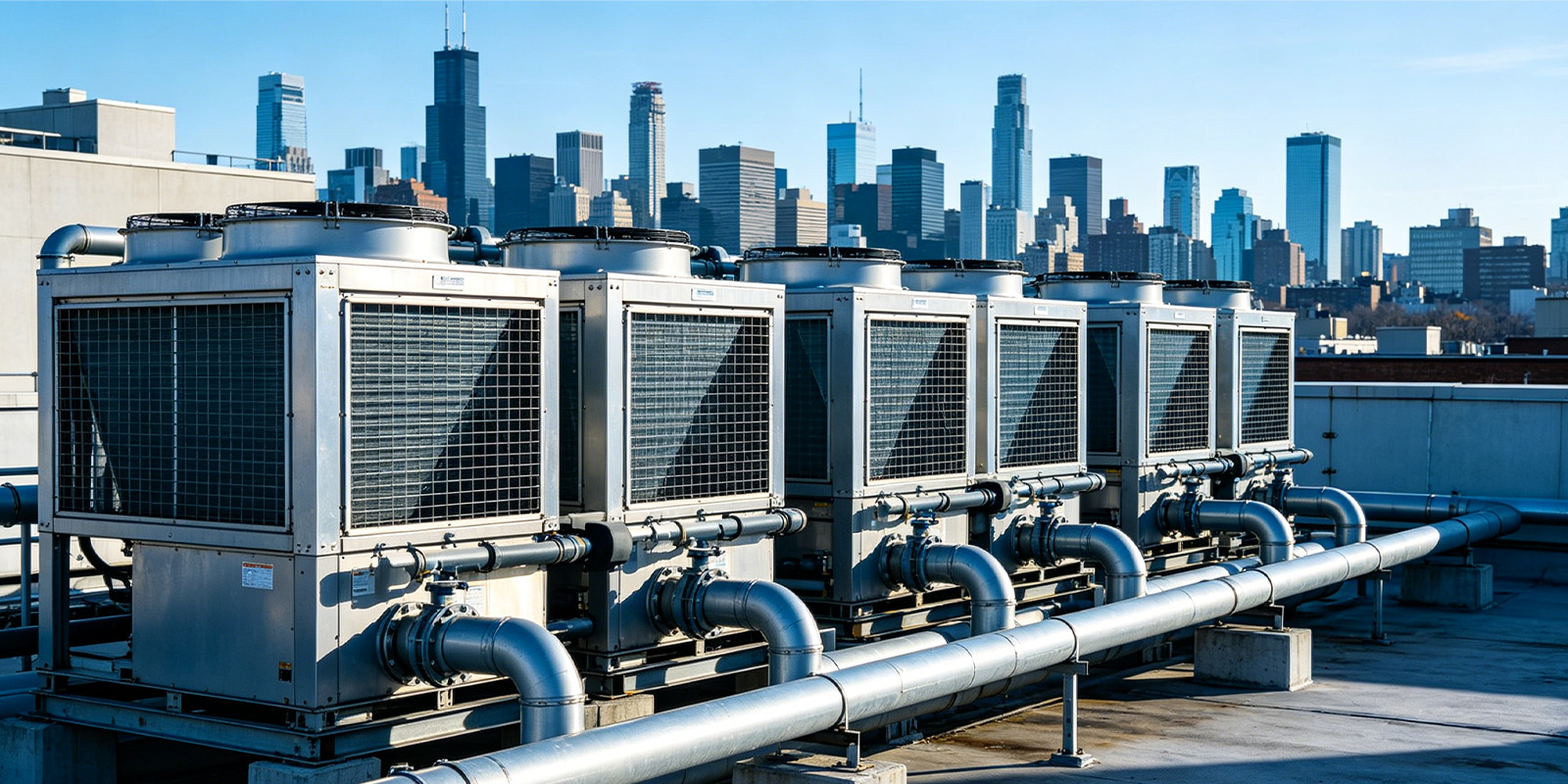
Data centers are basically the backbone of today's digital world. But here's the thing — they consume a lot of power. And cooling? That alone can eat up 30% to 50% of a data center's total electricity. With carbon reduction goals looming and electricity bills climbing, the industry is desperate for something better — something greener, cheaper, and still effective.
That's where evaporative cooling comes in. It's not exactly new, but it's way more efficient than traditional mechanical cooling. No surprise it's becoming the go-to choice for many data centers.
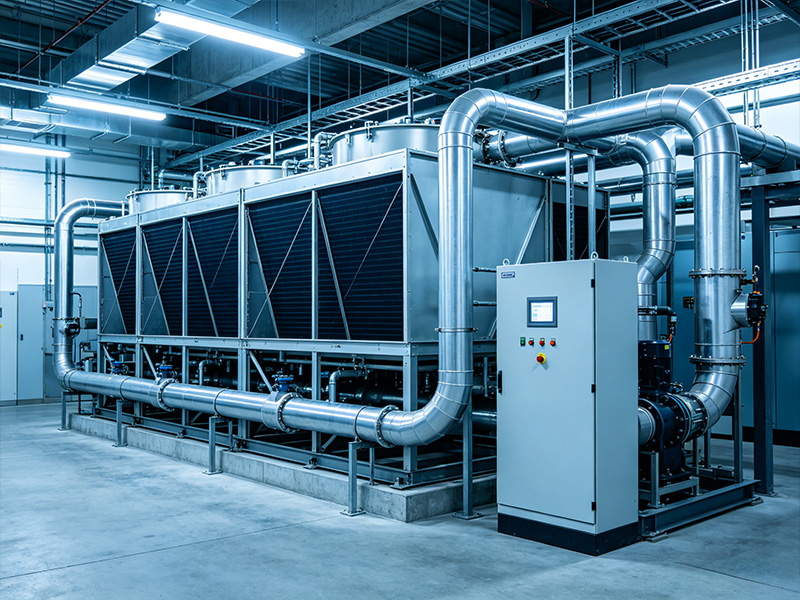
So, what actually is evaporative cooling?
The idea is pretty simple. You know how water evaporating makes things feel cooler? Same principle here. Let water absorb heat from the air, and suddenly your compressor doesn't have to work as hard. Less work, less energy. The whole trick is using water as a refrigerant — relying on a physical phase change (liquid to vapor) to move heat. Compared to compressor-heavy traditional systems, this is a much smarter path to energy savings.
And yes, the government has noticed. Back in 2022, several ministries issued a plan saying evaporative cooling should be used where conditions allow. Then in 2024, another policy doubled down — pushing liquid cooling, evaporative cooling, heat pipes, you name it, to make better use of natural cooling sources. These policies gave the industry a clear signal and really sped things up.
From direct to indirect: how the technology evolved
Let's start with direct evaporative cooling. It's straightforward: outdoor air mixes with water, cools down, and gets blown straight into the server room. Simple, cheap, efficient — great for dry, clean climates. But there's a catch. All that moisture and dirt from outside? It goes right in with the air. And IT equipment? It hates humidity and dust. You're basically asking for trouble.
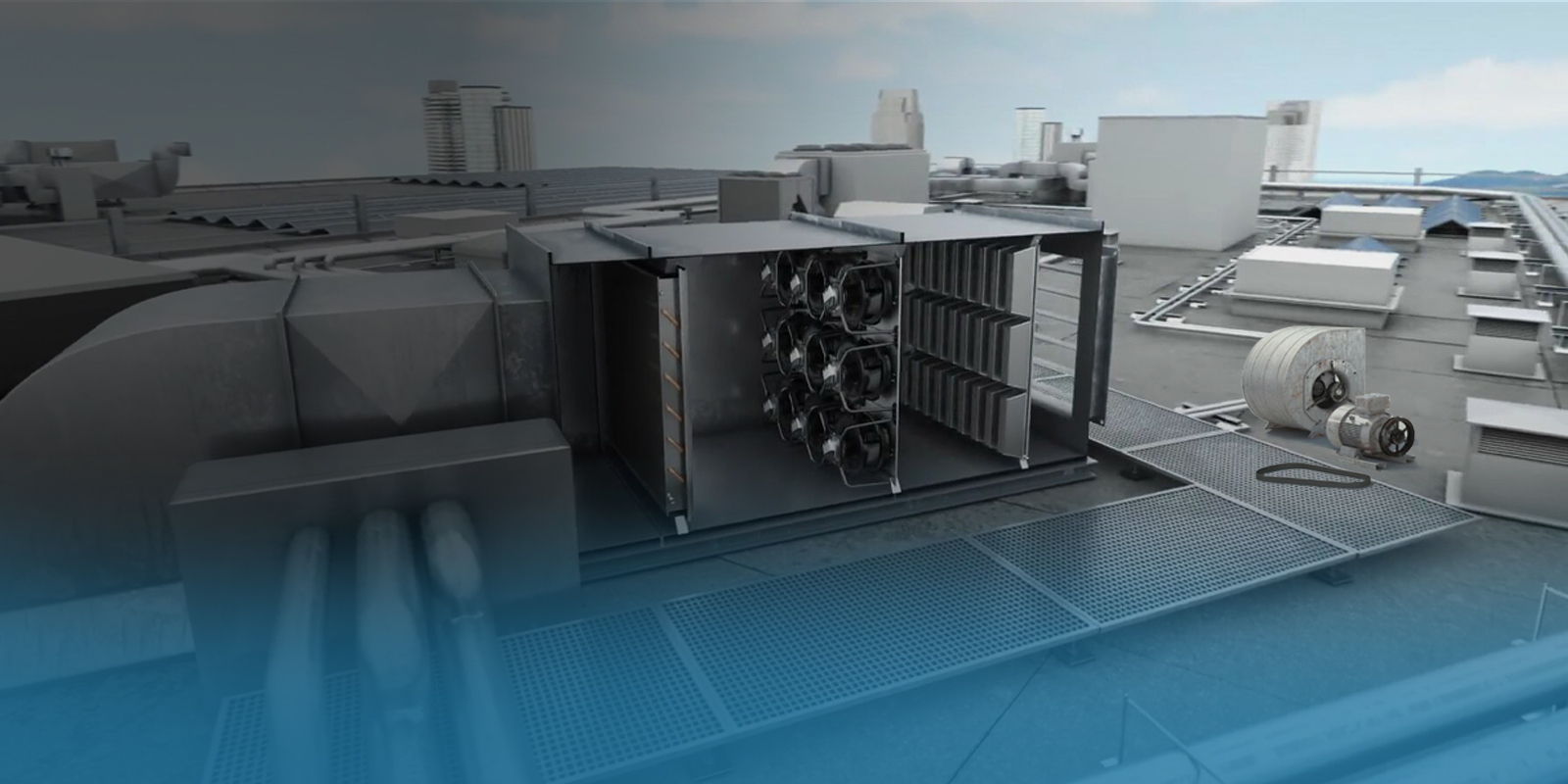
That's why indirect evaporative cooling came along. The key upgrade? A heat exchanger that physically separates two air streams. One is outside air that gets cooled by water. The other is indoor air that just passes through the exchanger to dump its heat. Result? The air inside stays clean and dry, no matter what's happening outside. Rain, dust, pollution — doesn't matter. This "water-air isolation" kills the reliability risk that direct evaporative cooling could never shake off.
So here's the trade-off: direct cooling saves energy by embracing humid outside air — possibly risking your equipment. Indirect cooling saves energy while keeping that humid air out — holding the safety line. And in a data center? Safety usually wins. That's why indirect evaporative cooling has become the mainstream choice.
What's happening now and where things are heading
The market numbers tell the story. In 2024, the global indirect evaporative cooling market was about $1.13 billion. By 2031, it's expected to hit $3.19 billion — that's a 16.1% annual growth rate. China is growing even faster, about 9 percentage points above the global average. And the tech itself is evolving too. It's not just standalone units anymore; we're seeing integrated cooling stations that optimize the whole system. The top five vendors? Their market share jumped from 51% in 2023 to 67% in 2025. Concentration is real.
But here comes the hard part. AI is exploding — training large models, running inference — and traditional data centers are scrambling to turn into intelligent computing centers. What does that mean? Crazy high power density. We're talking 20kW to 100kW per rack. Traditional data centers never had to deal with this. Cooling requirements just shot through the roof.
The problem is, indirect evaporative cooling is still an air-cooling architecture at heart. Trying to pair it with liquid cooling? That's where headaches start. How do you split the cooling load between air and liquid? How do you lay out the system so it stays flexible? And how do you fit two different cooling media in a cramped space? No easy answers. So the big question now is: how can indirect evaporative cooling adapt to the high elasticity and fast deployment needs of AI-focused data centers? That's the puzzle everyone's trying to solve.
What comes next? Air + liquid, working together
My take? Going forward, indirect evaporative cooling won't stand alone. It's going to merge with liquid cooling into a hybrid "air + liquid" architecture. Liquid cooling will take on the hottest spots — those high-power chips — using its crazy-good heat transfer to handle local hotspots. Meanwhile, indirect evaporative cooling will keep doing what it does best: using natural cooling sources to manage the overall room environment or support the secondary side of the liquid loop. They're not competitors. They're teammates.
This air-liquid fusion approach gets the best of both worlds. Liquid handles ultra-high density. Indirect evaporative brings natural cooling efficiency. For the thermal challenges coming at future intelligent computing centers, this isn't just an option — it's pretty much inevitable.
Wrapping up
Look back at the road evaporative cooling has traveled — from direct to indirect. It's really a story about the industry trying to balance two things: pushing energy efficiency to the limit, and keeping equipment safe and reliable. Policy gave it a push, and efficiency demands kept it going. Now evaporative cooling is a real player in the data center world. Going forward, it needs to jump into the intelligent computing wave and get cozy with liquid cooling. The model going forward? Air cooling as the foundation, liquid cooling as the core. That's a path — maybe the path — for handling the heat of the high-density computing era.












 English
 Français
 Deutsch
 Português
 Español
 русский
  한국어
한국어 العربية
 Italiano
 Indonesia
 Schweiz
 Polski
 Nederlands
 ישראל - עברית
 Perzisch
 ไทย
ไทย 日本語
日本語 ኢትዮ-አማርኛ
 Việt Nam
 Kiswahili
 Srpski
 Ελληνικά
 繁體中文
繁體中文