













 English
 Français
 Deutsch
 Português
 Español
 русский
 한국어
 العربية
 Italiano
 Indonesia
 Schweiz
 Polski
 Nederlands
 ישראל - עברית
 Perzisch
 ไทย
 日本語
 ኢትዮ-አማርኛ
 Việt Nam
 Kiswahili
 Srpski
 Ελληνικά
 繁體中文
Heating System Fan Maintenance and Troubleshooting
11/20/2026A heating system fan should deliver the intended airflow throughout its normal operating range. Changes in noise, vibration or heating performance can signal a developing problem, but the fan is only one part of the system. A useful diagnosis considers filters, ducts, controls and operating conditions as well as the fan assembly.
Observe before diagnosing
Record when the issue occurs, the equipment mode, outdoor conditions and any displayed fault code. A heat pump may change fan operation during defrost; an observed pause should be assessed against the manufacturer's sequence before it is classified as a failure.
New scraping, persistent rattling, repeated protective shutdowns or a noticeable burning smell warrant prompt professional attention. For gas appliances, suspected leaks or combustion gas problems require stopping use and following local emergency guidance.
Check the accessible air path
Where the equipment instructions permit routine owner maintenance, inspect accessible filters and exterior openings for dirt or obstructions. Replace or clean filters as directed by the manufacturer. Keep outdoor heat pump clearances free of leaves and snow without damaging the coil.
A clean filter does not prove that all ducts or internal components are clear. Persistent low airflow should be investigated using the appliance's service procedures and suitable measurements.
Investigate sound and vibration safely
Loose panels, damaged guards, dirt on an impeller, worn components and airflow restrictions can produce noise. Electrical isolation and safe access are essential before inspection. Internal electrical work, moving components and gas appliances should be handled by qualified personnel.
Do not bypass safety devices to keep the equipment running. A tripped limit or recurring alarm is information about the system and should be investigated rather than reset repeatedly without finding the cause.
Keep useful records for replacement
Document the appliance model, complete fan reference, supply, dimensions and control connections. Note the previous service history and preserve photographs of the label and assembly. These details help distinguish a fan fault from a control or installation problem.
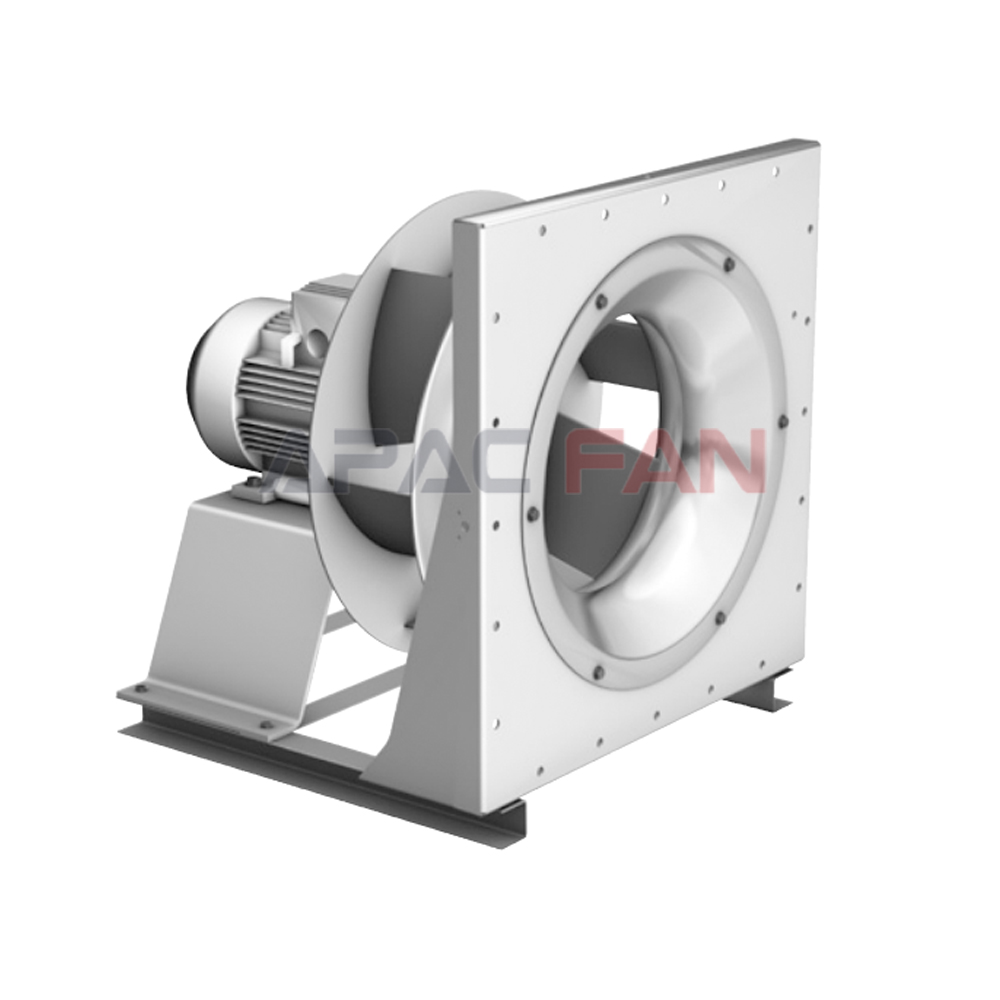
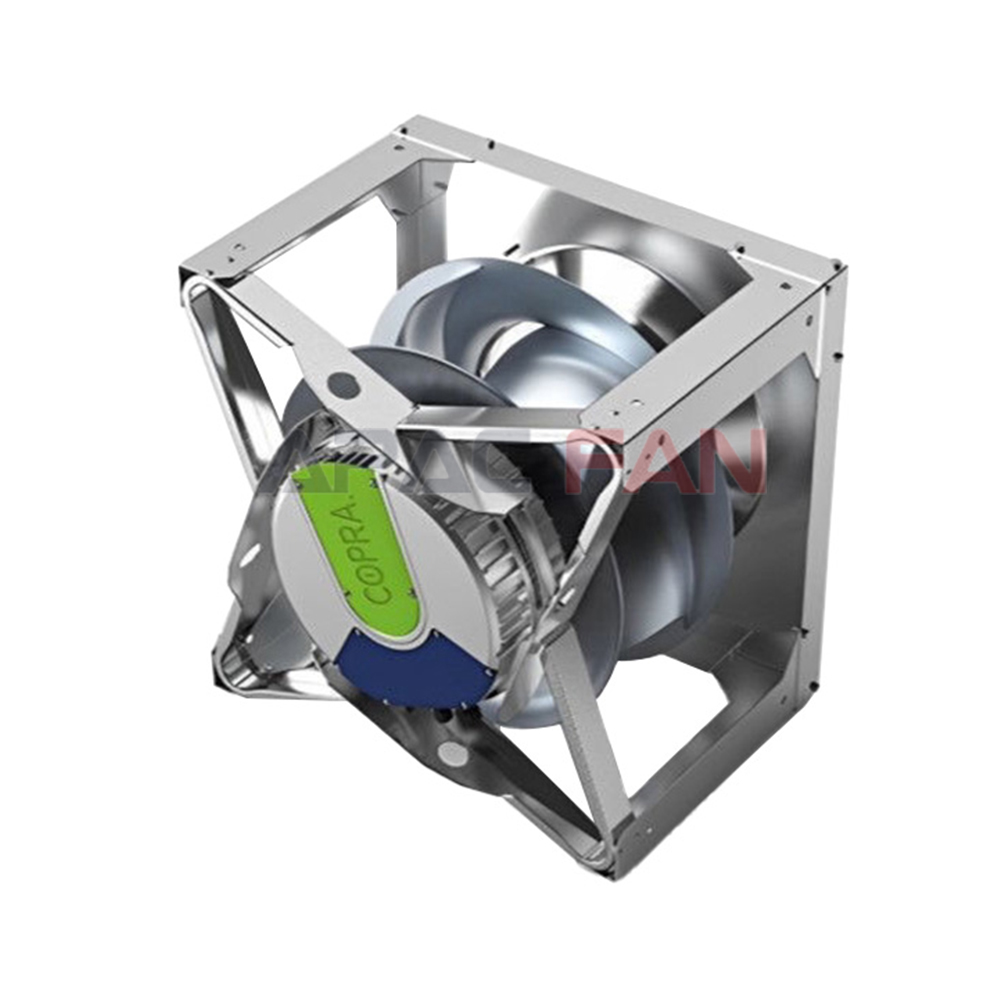
If a replacement is required, APAC FAN can review the fan specifications and available information. Share the equipment and fan references, relevant photographs and your email or WhatsApp number for selection support.
Start with a clear symptom
A maintenance record is most useful when it describes the operating state. Note whether the equipment is heating, starting, stopping or defrosting; whether the fan runs continuously or intermittently; and whether the issue is new. Record the time, weather and any fault code displayed by the controller.
Compare the symptom with the equipment manufacturer's expected sequence. A heat pump can change fan operation during defrost, and a furnace may have a normal delay before its circulation blower starts or stops. These sequences vary by appliance. Do not label every pause or speed change as a fan failure.
Separate airflow issues from heating issues
If a room is not reaching the desired temperature, consider the whole system. A blocked filter, closed supply outlet, obstructed return, outdoor coil blockage or control setting can affect performance. The fan may be functioning correctly while the air path or another part of the heating system needs attention.
Where owner maintenance is permitted, inspect accessible filters and openings using the appliance instructions. If the problem continues, a qualified technician can measure airflow-related conditions and check the system. Avoid increasing fan speed as a first response without confirming the required duty and control limits.
Identify unusual sound and vibration
Rattling can be associated with a loose panel or fastener; scraping can indicate contact between rotating and stationary components; and vibration may be transmitted through brackets or the building structure. These are possible causes, not a diagnosis. Note where the sound is heard and whether it changes with fan speed or operating mode.
Do not remove guards or reach into a fan while equipment is energized. Internal inspection should follow the required isolation procedure. A damaged impeller or loose mounting should be assessed and repaired by a qualified service provider before the unit is returned to operation.
Examine environmental conditions
Outdoor units can be affected by leaves, snow, ice and restrictions around their air paths. Indoor blowers may accumulate dust or experience a restricted filter. Cleaning methods depend on the equipment: a coil, motor, electronics and electrical connectors may have different protection requirements.
Follow the manufacturer's instructions and avoid directing water or cleaning chemicals at components that are not approved for that exposure. Repeated ice buildup, moisture entry or corrosion may indicate an installation issue. Addressing the cause can prevent a new fan from experiencing the same failure.
Record a meaningful maintenance history
Keep the appliance reference, fan part number, installation date where known, service work performed and recurring fault codes together. Record filter changes and cleaning performed according to the owner's instructions. If a component is replaced, preserve the old part number and the identity of the approved replacement.
These records help a service provider distinguish a new problem from a recurring one. They also support a replacement enquiry when the label is later difficult to read. Photographs should show the complete assembly and connector as well as the nameplate, without exposing or disturbing live wiring.
When to stop and seek professional help
Persistent alarms, a burning smell, a damaged fan blade, repeated safety shutdowns or suspected electrical faults require qualified service. Do not repeatedly reset protective devices or bypass a limit to keep the system operating. If a gas leak or combustion gas problem is suspected, stop using the appliance and follow local emergency guidance.
After any repair, the service provider should use the manufacturer's procedure to verify operation and safeguards. APAC FAN can help review fan specifications when a replacement is needed. Supply the equipment model, exact fan reference and photographs, along with an email or WhatsApp number, so the enquiry can be assessed against the actual assembly.
Review after the repair
After a service visit, retain the technician's findings, the part reference used and any recommended follow-up. Note whether the original symptom was resolved and whether the appliance displayed new alarms after returning to normal service. Where a measurement was taken, record the operating conditions and units so that it can be compared later.
Do not judge a replacement solely by whether the fan starts. The relevant evidence includes the appliance's normal operating sequence, absence of abnormal sound or vibration, and completion of the manufacturer's required checks. If the original symptom returns, share the earlier records with the service provider.
Coordinate maintenance with building use
Arrange inspection around the building's heating needs and the availability of qualified personnel. For critical spaces, the facility's operating plan should account for the temporary loss of heating during service. Follow the equipment manufacturer's shutdown and restart requirements and record any backup arrangements used.
When reviewing the maintenance history, distinguish routine observations from measurements taken by a technician. Both can be useful, but they answer different questions. Clear records allow the service provider to assess changes over time without treating a single observation as proof of a specific failure.