


















 English
 Français
 Deutsch
 Português
 Español
 русский
  한국어
한국어 العربية
 Italiano
 Indonesia
 Schweiz
 Polski
 Nederlands
 ישראל - עברית
 Perzisch
 ไทย
ไทย 日本語
日本語 ኢትዮ-አማርኛ
 Việt Nam
 Kiswahili
 Srpski
 Ελληνικά
 繁體中文
繁體中文How Dry Cooler Fans Support Heat Rejection in Closed Loop Systems
10/12/2026The role of a dry cooler
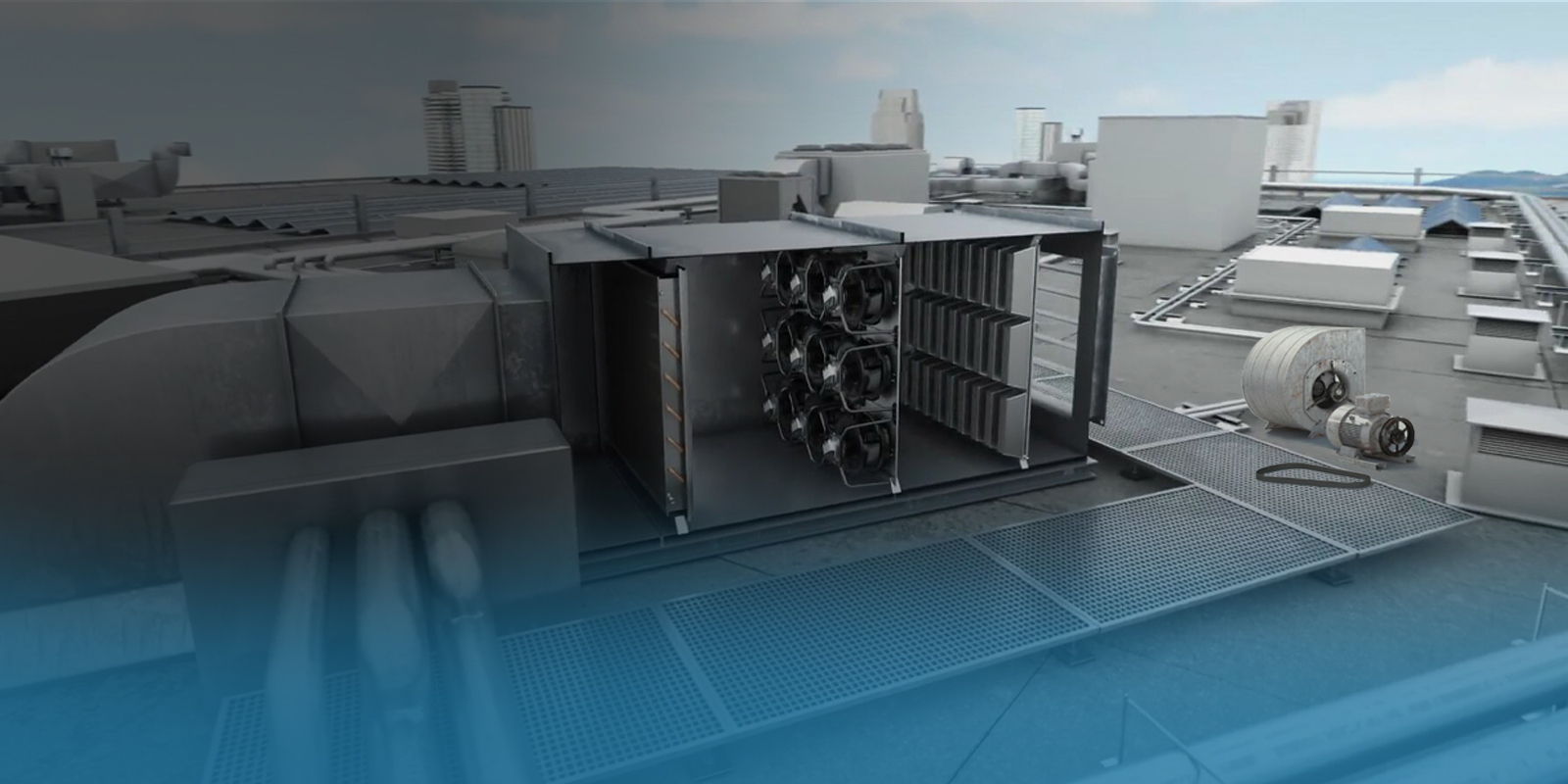
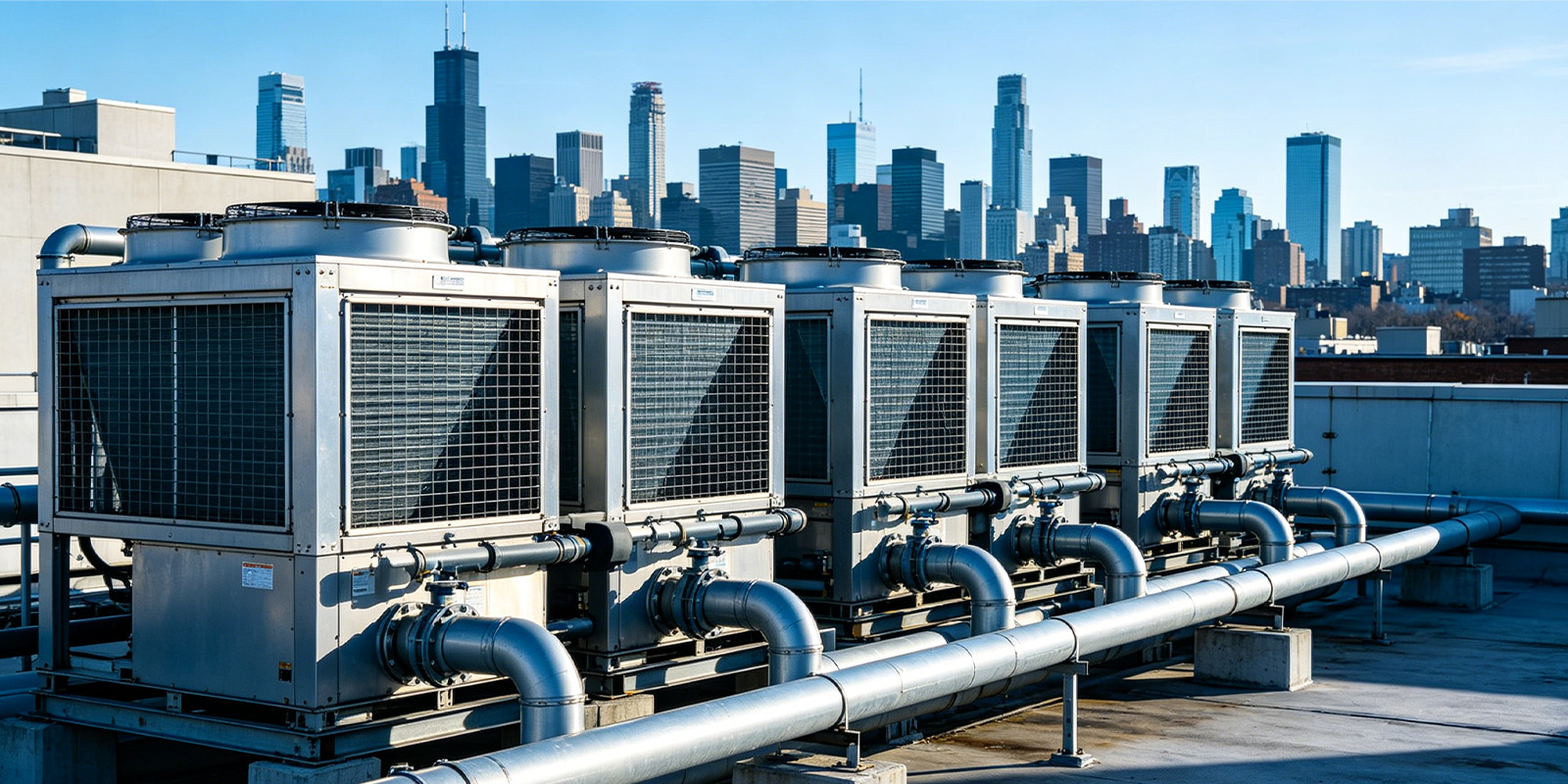
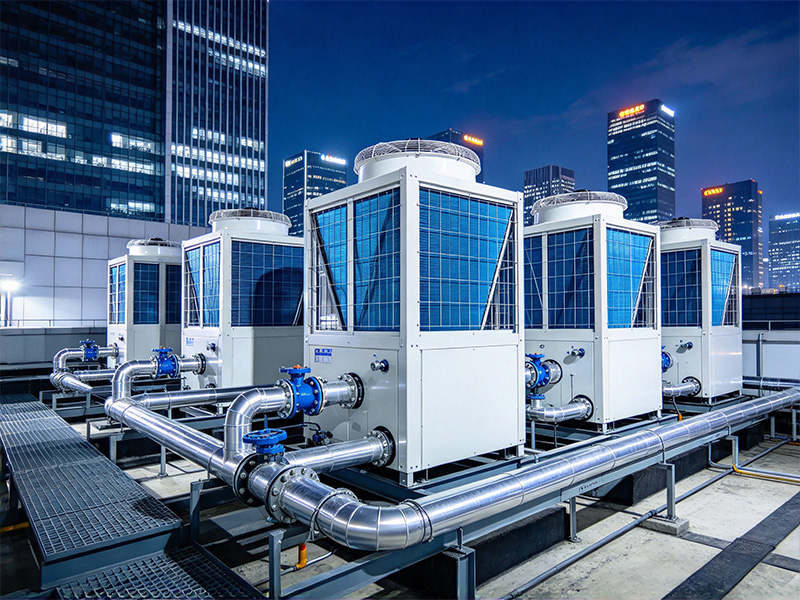
A dry cooler removes heat from a circulating liquid by transferring it to the surrounding air. In a typical closed-loop arrangement, warm water or a water-glycol mixture leaves the process or refrigeration circuit and flows through a finned heat exchanger. Ambient air passes over the coil, absorbs heat, and returns to the outdoor environment. The cooled liquid then goes back to the system that needs heat removed.
Unlike an evaporative cooling tower, a dry cooler normally rejects heat without relying on water evaporation at the heat exchanger. Some installations add an adiabatic pre-cooling stage, but that is a separate system feature. Understanding this distinction helps engineers define the expected operating conditions before choosing fans or comparing equipment.
How fans move air across the coil
The fan creates the pressure difference that moves air through the heat exchanger and any protective screens, louvers, or discharge components. As air crosses the coil, heat transfers from the warmer liquid to the cooler air. The fan therefore supports the heat transfer process by supplying the required airflow at the resistance presented by the complete unit.
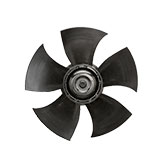
Dry coolers may use axial fans in a draw-through or blow-through arrangement. In a draw-through layout, the fan pulls air across the coil; in a blow-through layout, it pushes air through the coil. The arrangement affects the air path, service access, and how the discharge is directed. It should be assessed as part of the equipment design rather than treated as a fan-only decision.
Why fan performance and coil performance are connected
A fan's nominal airflow in free air does not describe its actual airflow after installation. The coil and surrounding components resist the flow, so the operating point is determined by the fan performance curve and the system resistance curve together. If the selected fan cannot deliver the required airflow at that operating point, heat rejection may fall short of the design requirement.
More airflow is not automatically the best answer. The fan must operate within its permitted speed, motor, temperature, and acoustic limits, while the coil must have enough surface area and suitable liquid flow to transfer the heat. A dry cooler that is undersized for its heat load cannot always be corrected by increasing fan speed.
Conditions that affect operation
Ambient dry-bulb temperature is a major boundary condition because the dry cooler transfers heat to outdoor air. The liquid outlet temperature, heat load, coil cleanliness, airflow distribution, and any recirculation of warm discharge air also influence performance. During mild weather, the unit may meet its target with reduced fan operation; during hot weather, it may need more airflow and may still be limited by the temperature difference available.
When planning a fan replacement or a new installation, collect the dry cooler model, heat load, liquid temperatures, design airflow or fan data, electrical supply, and the control sequence. These details connect the fan to the real duty. A complete review makes it easier to choose a suitable fan and diagnose whether performance limitations come from airflow, the coil, controls, or the wider system.