
















 English
 Français
 Deutsch
 Português
 Español
 русский
  한국어
한국어 العربية
 Italiano
 Indonesia
 Schweiz
 Polski
 Nederlands
 ישראל - עברית
 Perzisch
 ไทย
ไทย 日本語
日本語 ኢትዮ-አማርኛ
 Việt Nam
 Kiswahili
 Srpski
 Ελληνικά
 繁體中文
繁體中文How to Select the Right Fan for a Cooling Tower
09/22/2026Start with the thermal duty
Fan selection should begin with the cooling requirement rather than an existing motor rating or blade diameter. Record the hot-water temperature, required cold-water temperature, water flow, design wet-bulb condition, and expected load range. A tower manufacturer or thermal engineer can translate these conditions into the airflow required across the fill. For a replacement project, operating records are also useful because they show whether the existing tower meets its temperature target during peak and part-load conditions.
Define airflow and system resistance
The fan must provide the required airflow at the pressure created by louvers, fill, drift eliminators, screens, discharge components, and other restrictions. Free-air performance is not an adequate selection basis. Use a fan curve that shows the relationship between volume flow and static or total pressure, and confirm which pressure definition is used. If the tower has been modified or has accumulated deposits, field pressure measurements can help identify whether the original resistance estimate is still valid.
Confirm size and installation geometry
Measure the fan opening, available depth, mounting points, inlet clearance, outlet clearance, hub position, and nearby obstructions. For an axial fan, tip clearance and the relationship between the impeller and fan ring can materially affect performance. Also verify airflow direction and the required mounting orientation. A fan that fits the nominal opening may still perform poorly if the inlet is partially blocked or the discharge immediately meets a wall, sharp bend, or protective structure.
Compare axial and centrifugal arrangements
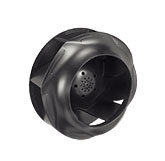
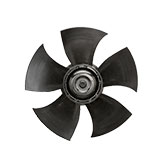
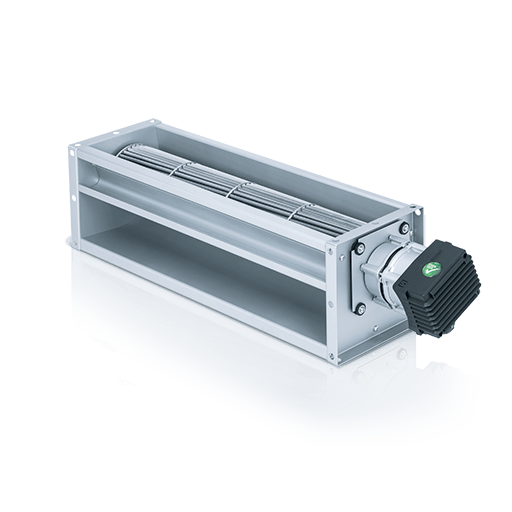
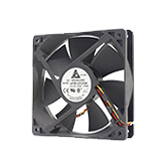
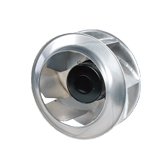
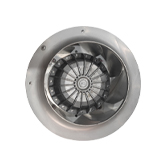
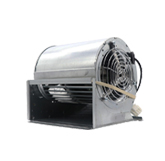
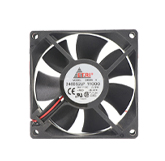
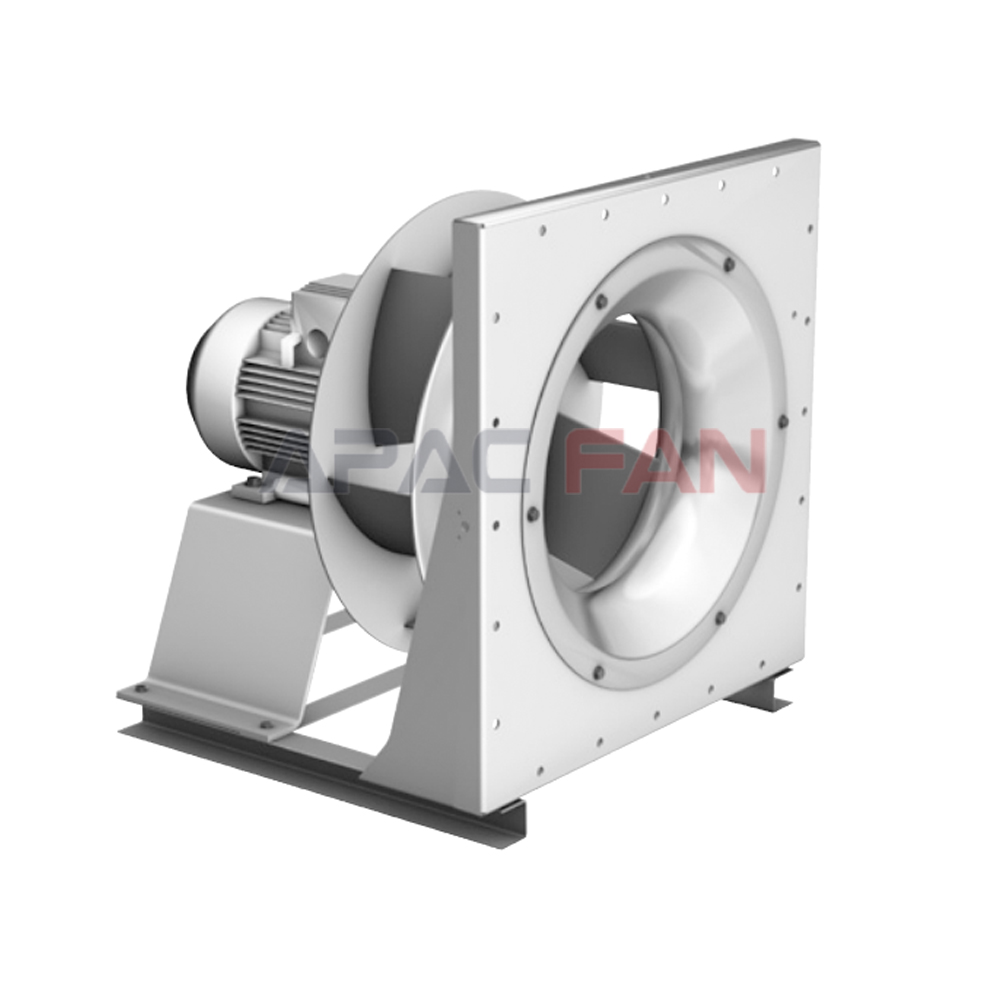
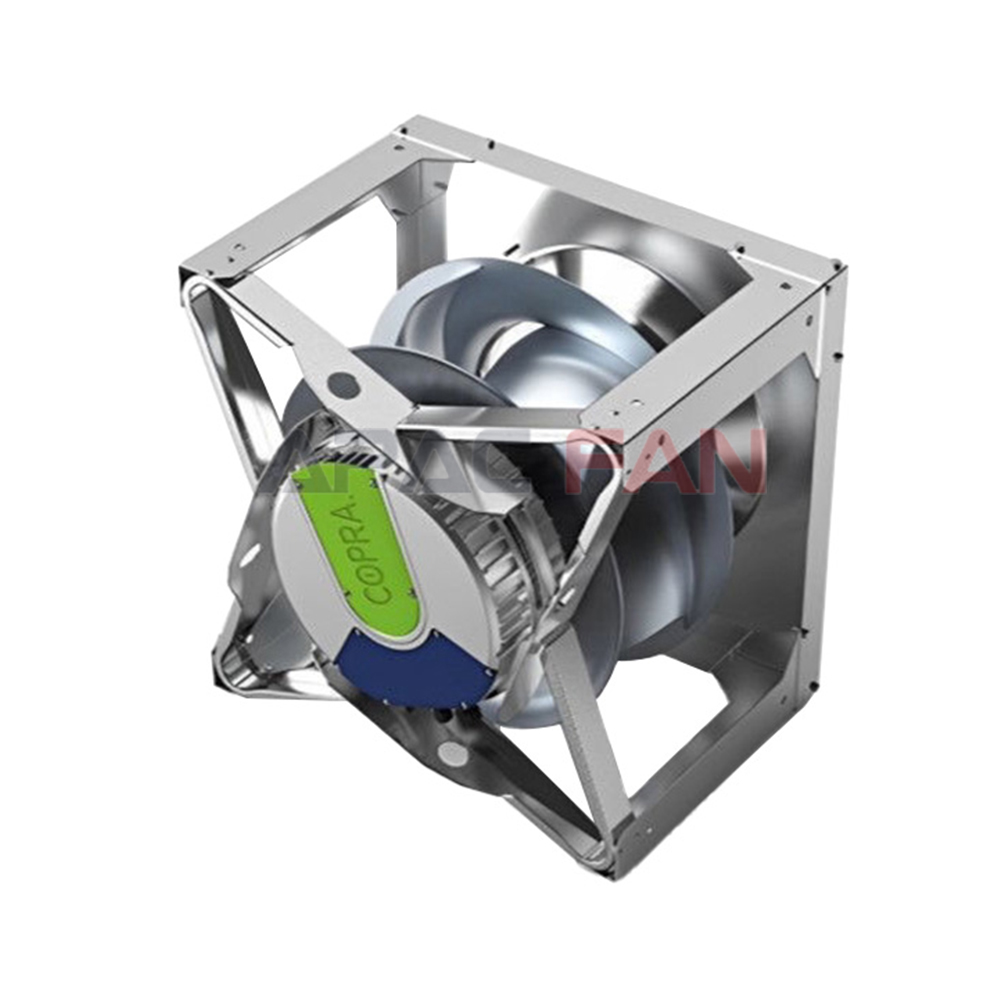
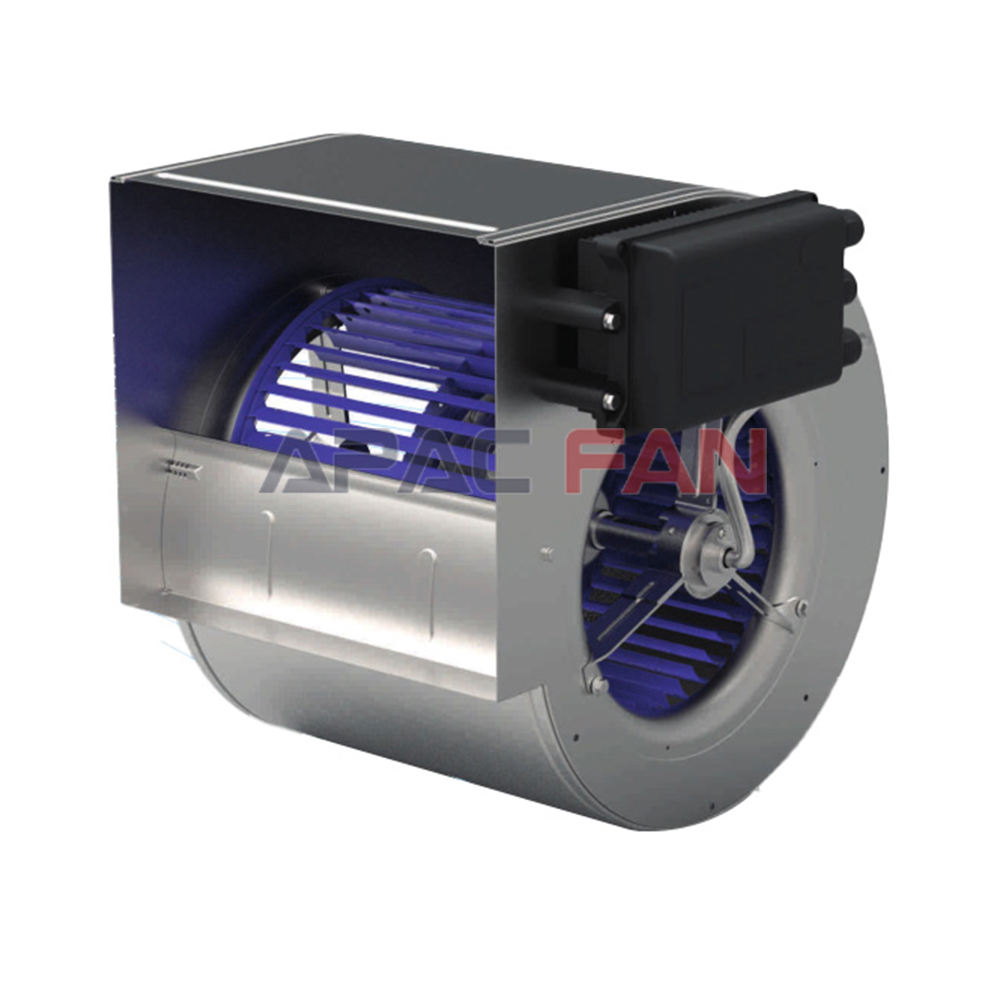
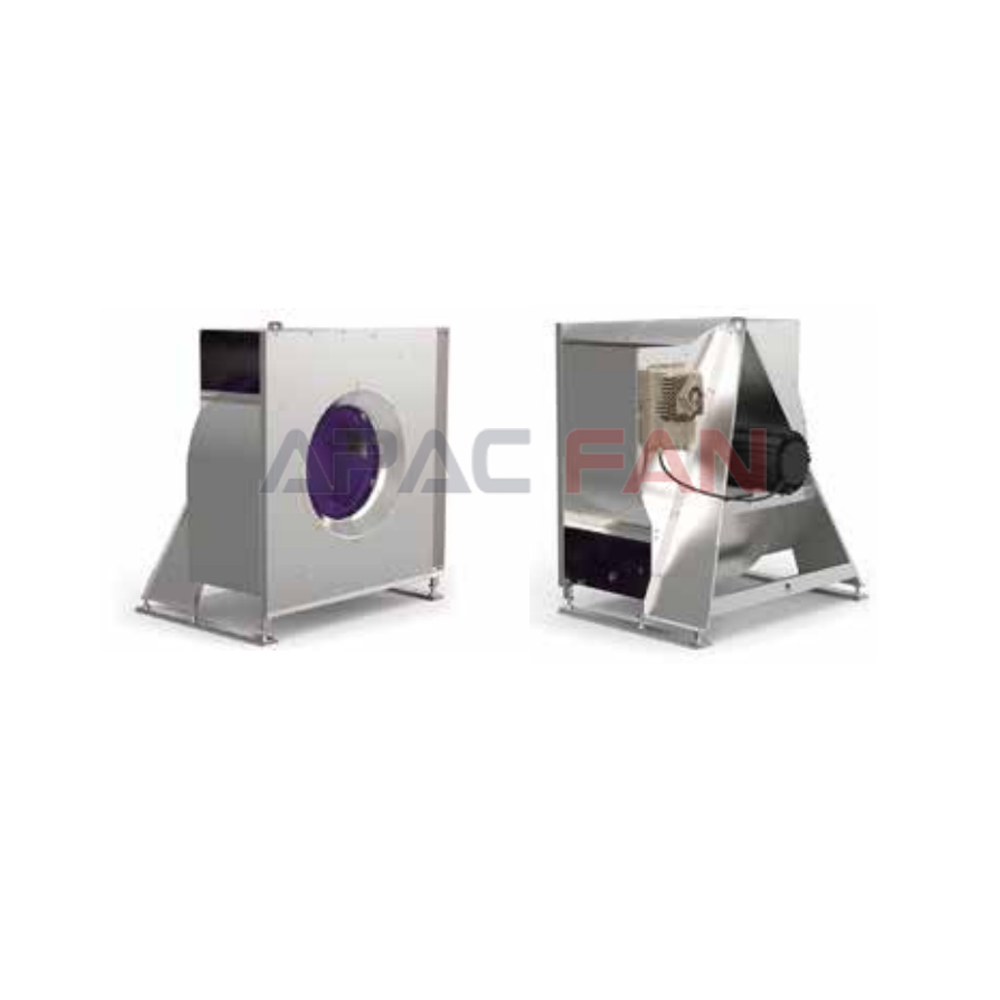
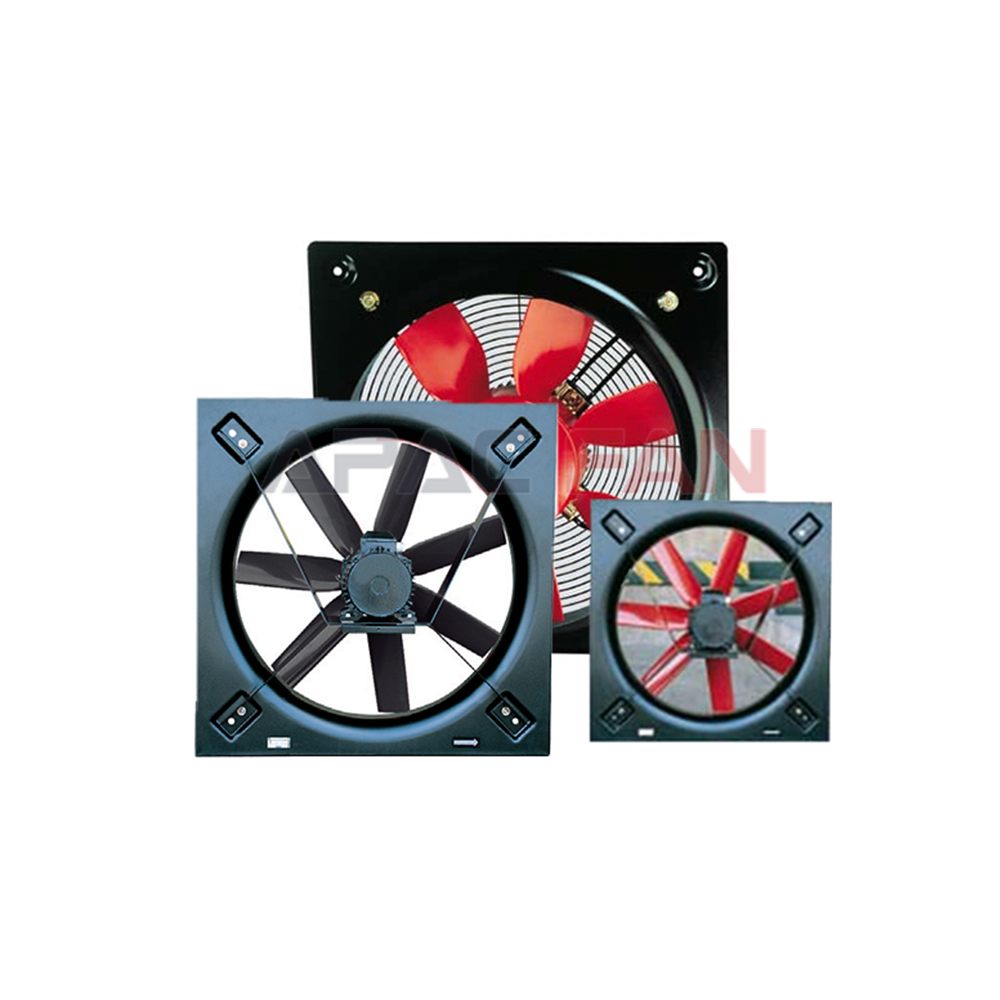
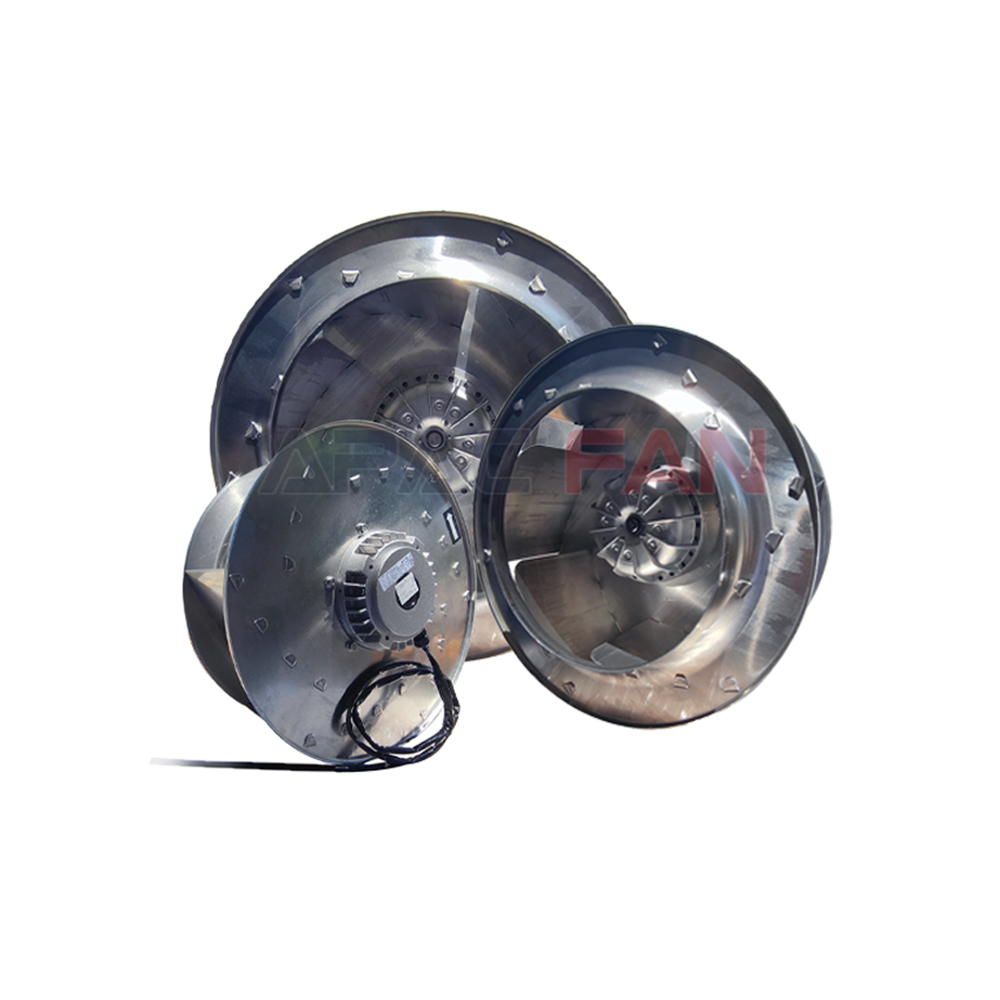
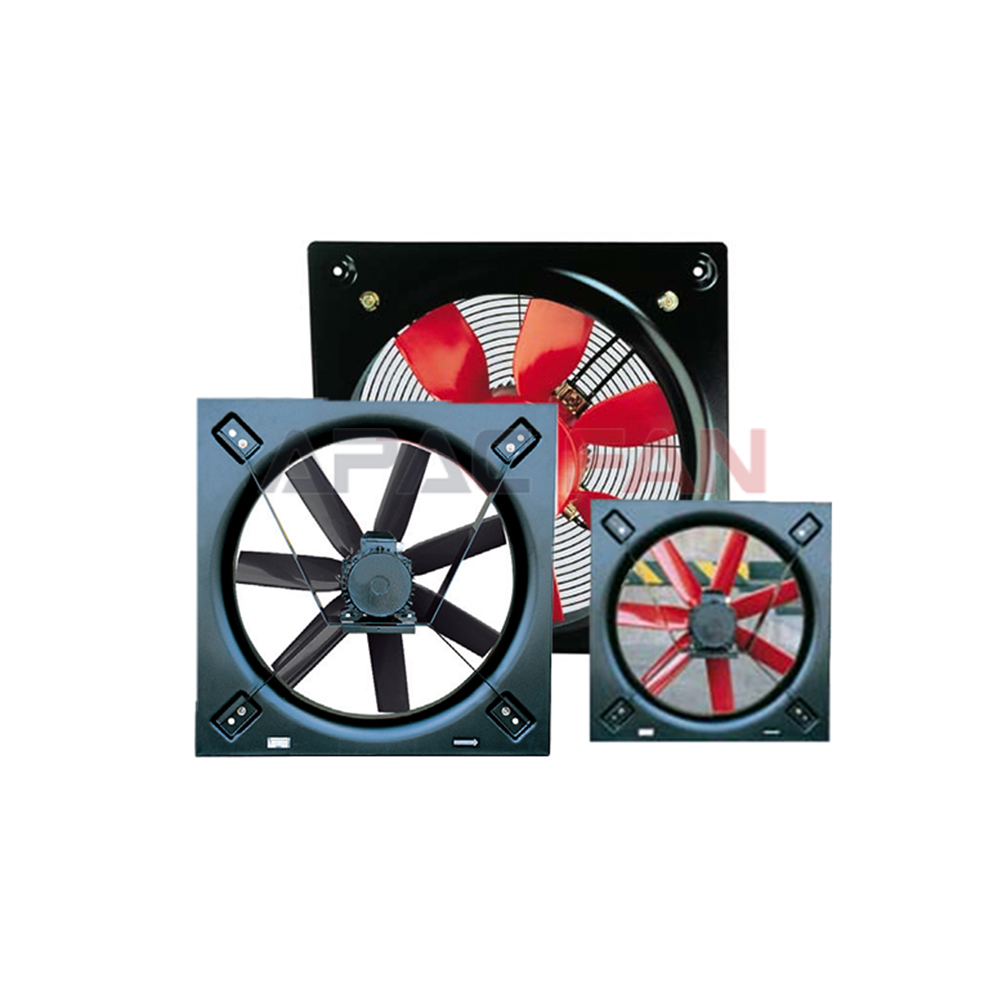
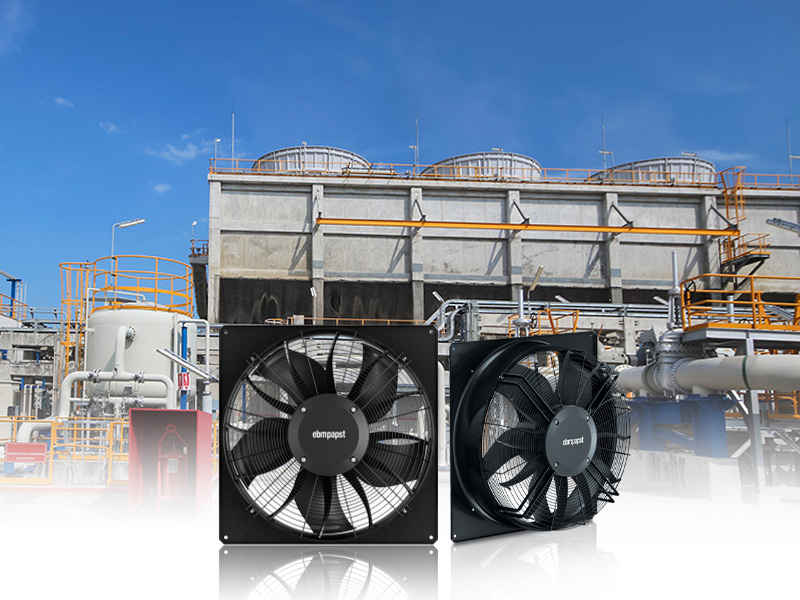
Axial fans are widely used where the tower needs high airflow and the system pressure is relatively modest. Centrifugal fans can be appropriate in equipment with more confined duct paths or higher resistance, but the casing and airflow direction require additional space. The choice should follow the tower configuration rather than a general preference. For either type, compare the complete operating curve, efficiency, sound data, motor input, speed, and permitted operating range.
Choose the motor and power supply
Confirm voltage, phase, frequency, permissible current, input power, wiring arrangement, and protection requirements. For a replacement, do not assume that equal motor power means equal airflow. Impeller geometry, speed, pressure, and motor efficiency all influence the result. Check whether the motor is exposed to spray, humidity, outdoor temperature changes, dust, chemicals, or saline air, and specify appropriate ingress and corrosion protection for the actual environment.
Plan the control method
Cooling demand changes with process load and ambient wet-bulb temperature. A variable-speed fan can match airflow to demand more closely than simple full-speed operation. Depending on the selected product, control may use an external variable-frequency drive, an integrated EC motor, or another compatible controller. Verify the permitted control signal, minimum and maximum speed, fault outputs, communication functions, cable requirements, and how the tower controller will respond to sensor failure.
Check sound and structural limits
Noise depends on fan speed, blade loading, airflow disturbance, tower structure, and the surrounding site. If the tower is near offices, housing, hotels, or property boundaries, specify the measurement position and required sound value before selection. Lower speed and larger diameter can sometimes provide the required airflow with less aerodynamic noise, but space and structural capacity may limit that approach. The support frame must also withstand fan weight, operating loads, and vibration without harmful resonance.
Use a complete replacement checklist
Before ordering, record the existing fan model, photographs, dimensions, airflow direction, measured or design duty point, electrical data, control method, ambient range, water exposure, sound target, and any recurring failures. Confirm whether guards, inlet rings, mounting brackets, cables, or controllers are part of the required scope. For ebm-papst or another selected fan family, use the manufacturer performance data for the exact configuration and verify the operating point rather than relying on a similar model number.
Conclusion
The right cooling tower fan is the fan that meets the required airflow at the real system pressure, fits the installation, connects to the available electrical and control system, and tolerates the operating environment. A structured selection process reduces the risk of insufficient cooling, unnecessary energy use, excessive noise, and difficult installation.