












 English
 Français
 Deutsch
 Português
 Español
 русский
  한국어
한국어 العربية
 Italiano
 Indonesia
 Schweiz
 Polski
 Nederlands
 ישראל - עברית
 Perzisch
 ไทย
ไทย 日本語
日本語 ኢትዮ-አማርኛ
 Việt Nam
 Kiswahili
 Srpski
 Ελληνικά
 繁體中文
繁體中文AHU Fans for Commercial and Industrial HVAC Systems: A Practical Guide
08/21/2026Start with the Building and Process
AHU fan selection should begin with what the system must accomplish. A commercial office may prioritize comfort, ventilation, acoustics, and variable occupancy. A hospital can add pressure relationships, filtration, resilience, and continuous operation. An industrial facility may need to control heat, fumes, dust, moisture, or process conditions. These differences affect airflow, pressure, materials, redundancy, controls, and maintenance. Using a familiar fan because it worked on another project can overlook essential duty conditions. A practical design brief identifies operating hours, air quality, temperature and humidity range, critical zones, future flexibility, and what happens if airflow is interrupted.
Establish Airflow Requirements
Supply airflow may be driven by sensible cooling, heating, ventilation, dehumidification, air-change, makeup-air, or process needs. Return and exhaust flows follow different rules and must be coordinated with outdoor air and building pressure. Avoid adding independent safety factors at every calculation stage, because they can produce an oversized fan and duct system. Instead, document diversity, minimum and maximum modes, and credible future allowances. Industrial systems may have batch, purge, standby, or emergency modes that differ sharply from normal operation. Each mode should be described with required damper positions and air paths so the fan is evaluated over the full operating envelope.
Calculate Total Pressure Carefully
The fan must overcome losses through the AHU and external network. Include filters at appropriate loading conditions, wet and dry coils where relevant, dampers, louvers, heat recovery, silencers, humidifiers, duct fittings, terminals, and discharge or intake effects. Pressure definitions must be consistent; mixing external static pressure, total static pressure, and total pressure can lead to a wrong selection. Identify uncertain items and resolve them as the duct and equipment design develops. A transparent pressure schedule is useful during commissioning because measured drops can be compared with the design basis. It also helps avoid hiding excessive component resistance inside a general allowance.
Select the Fan Type
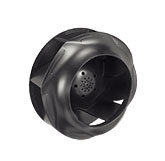
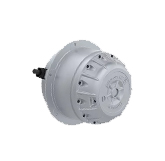
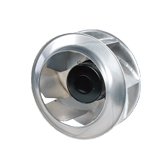
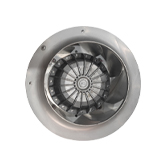
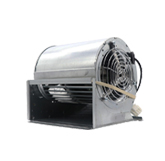
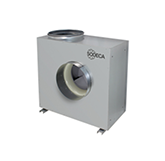
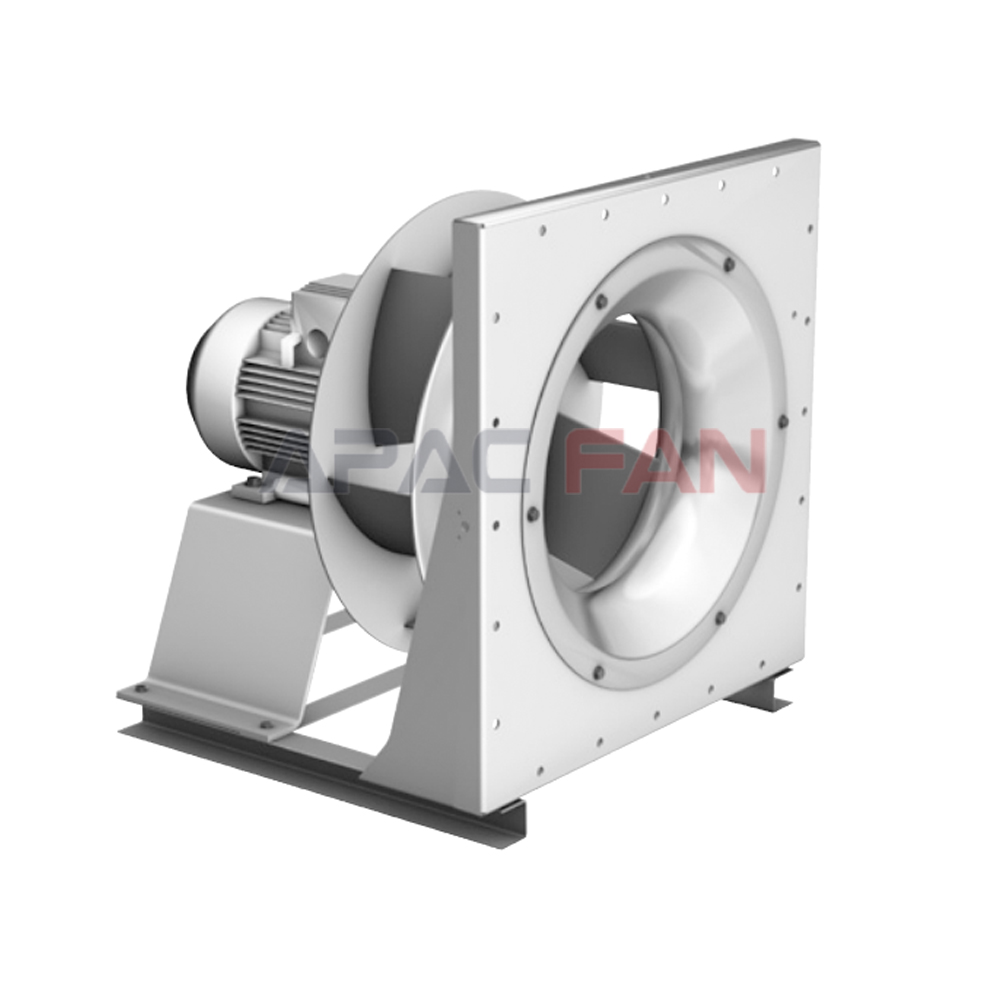
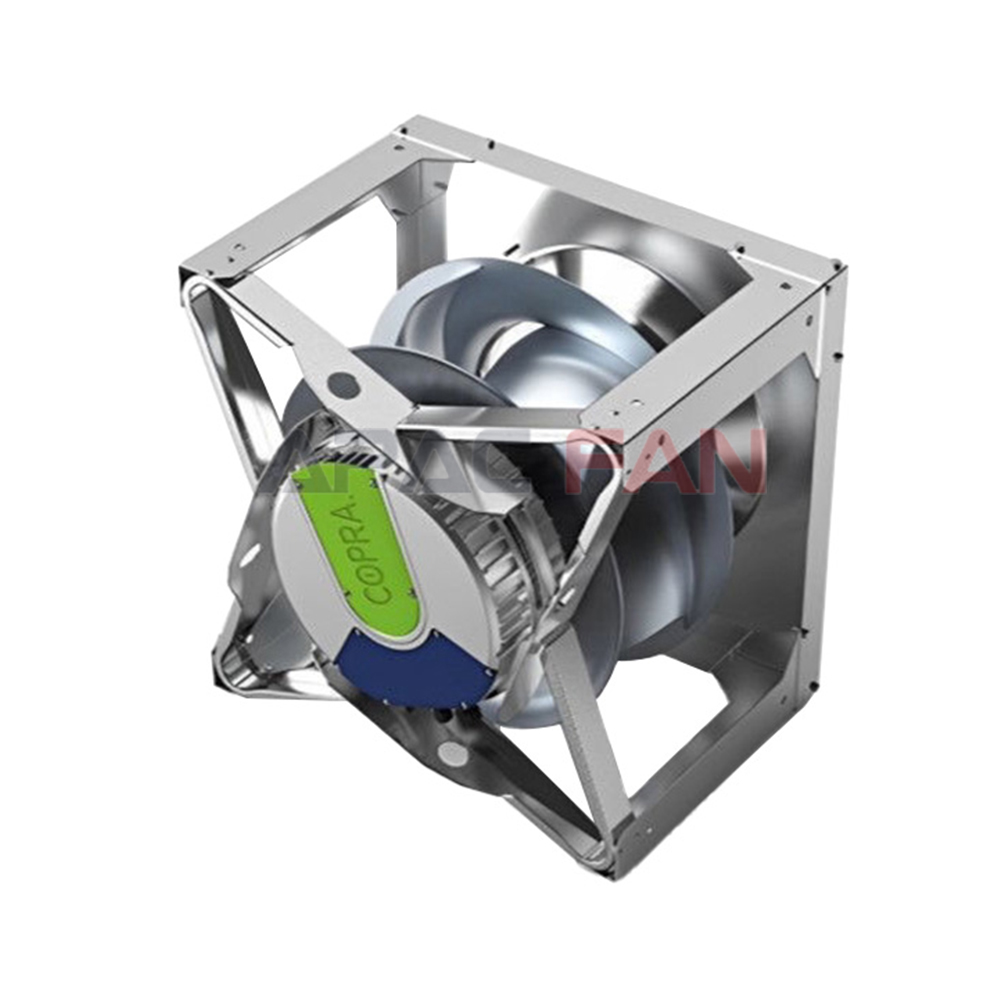
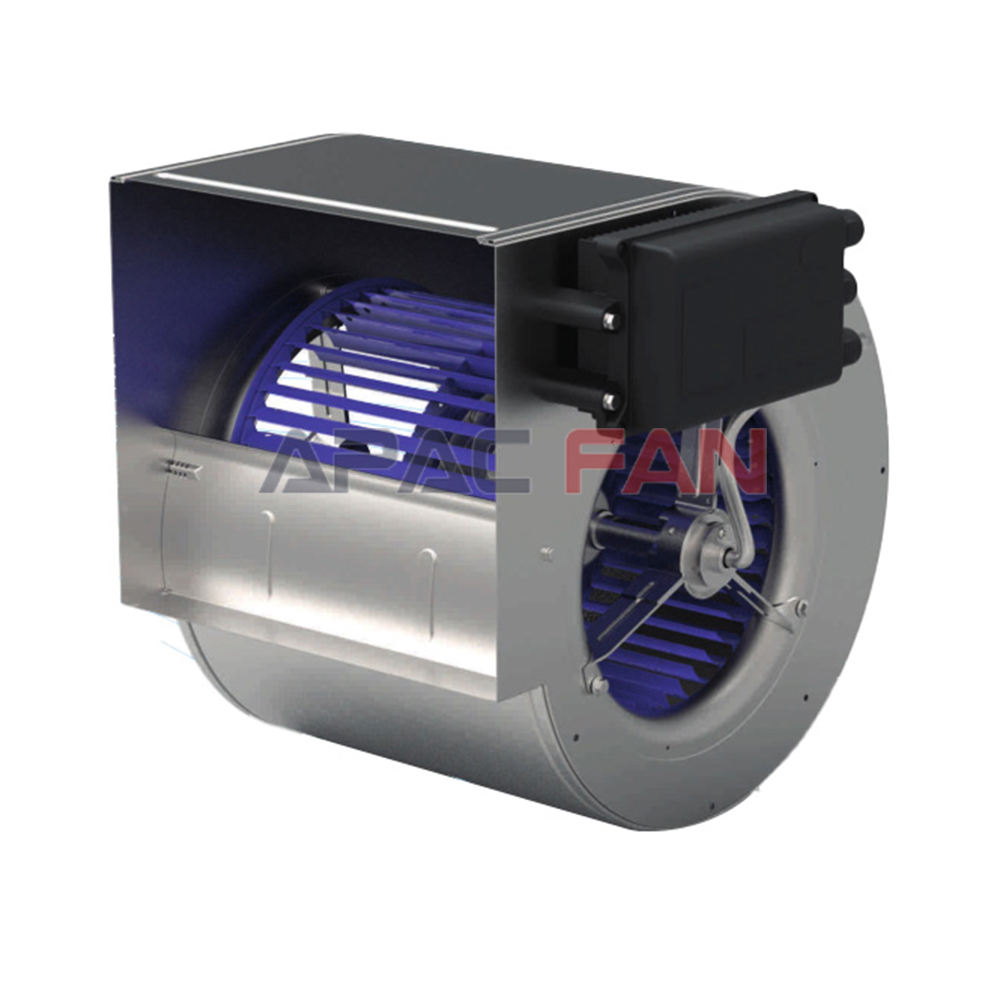
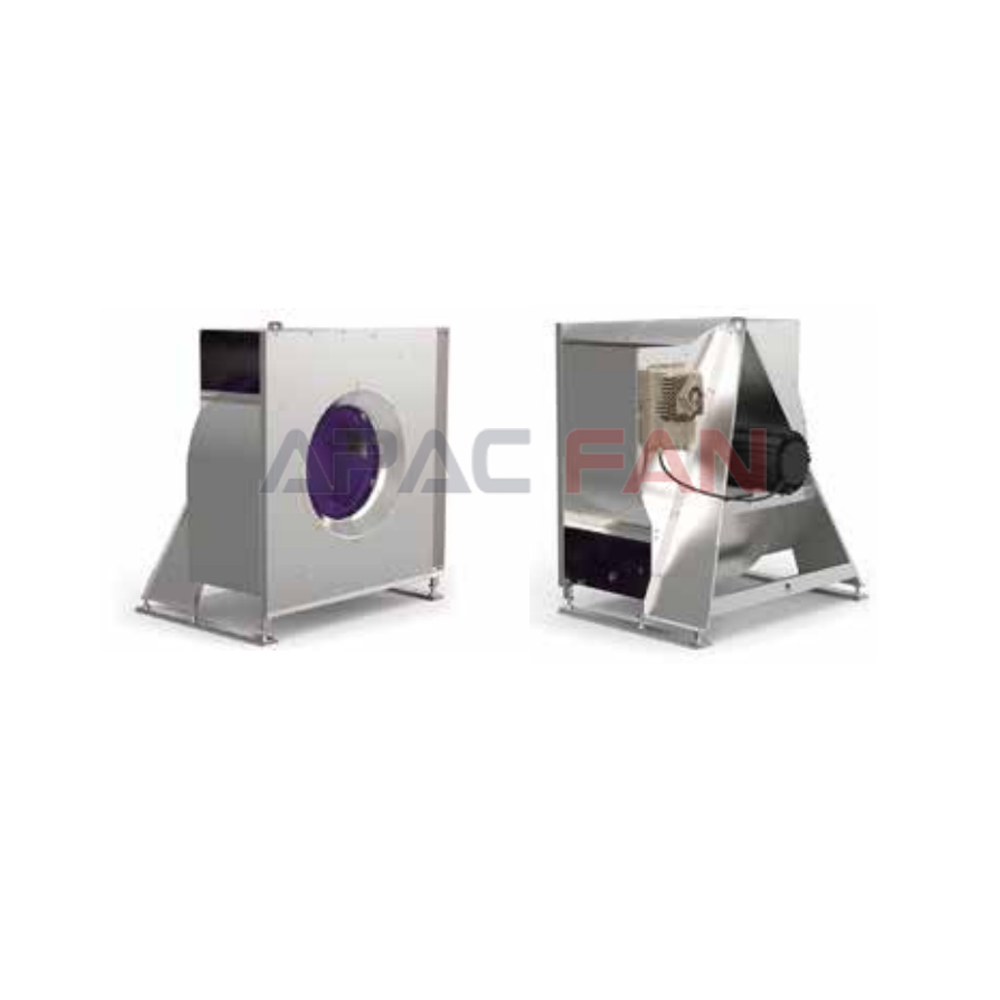
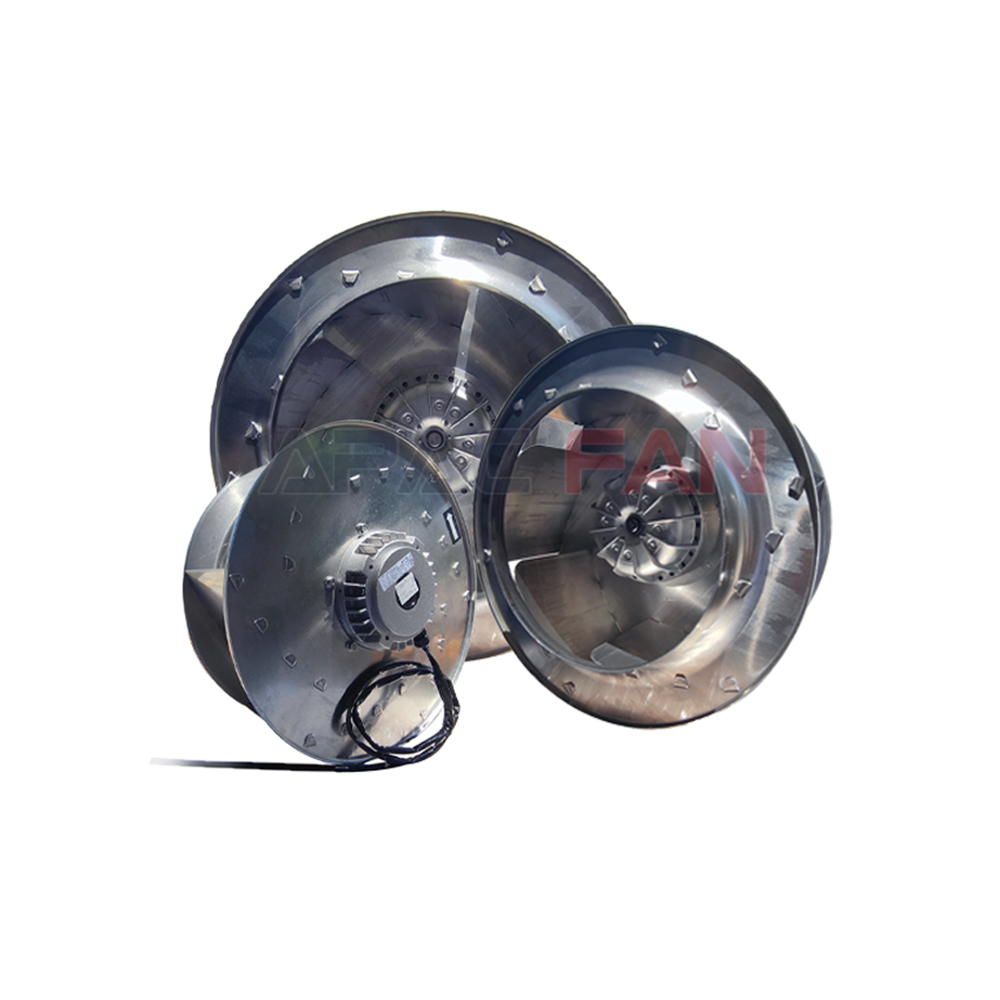
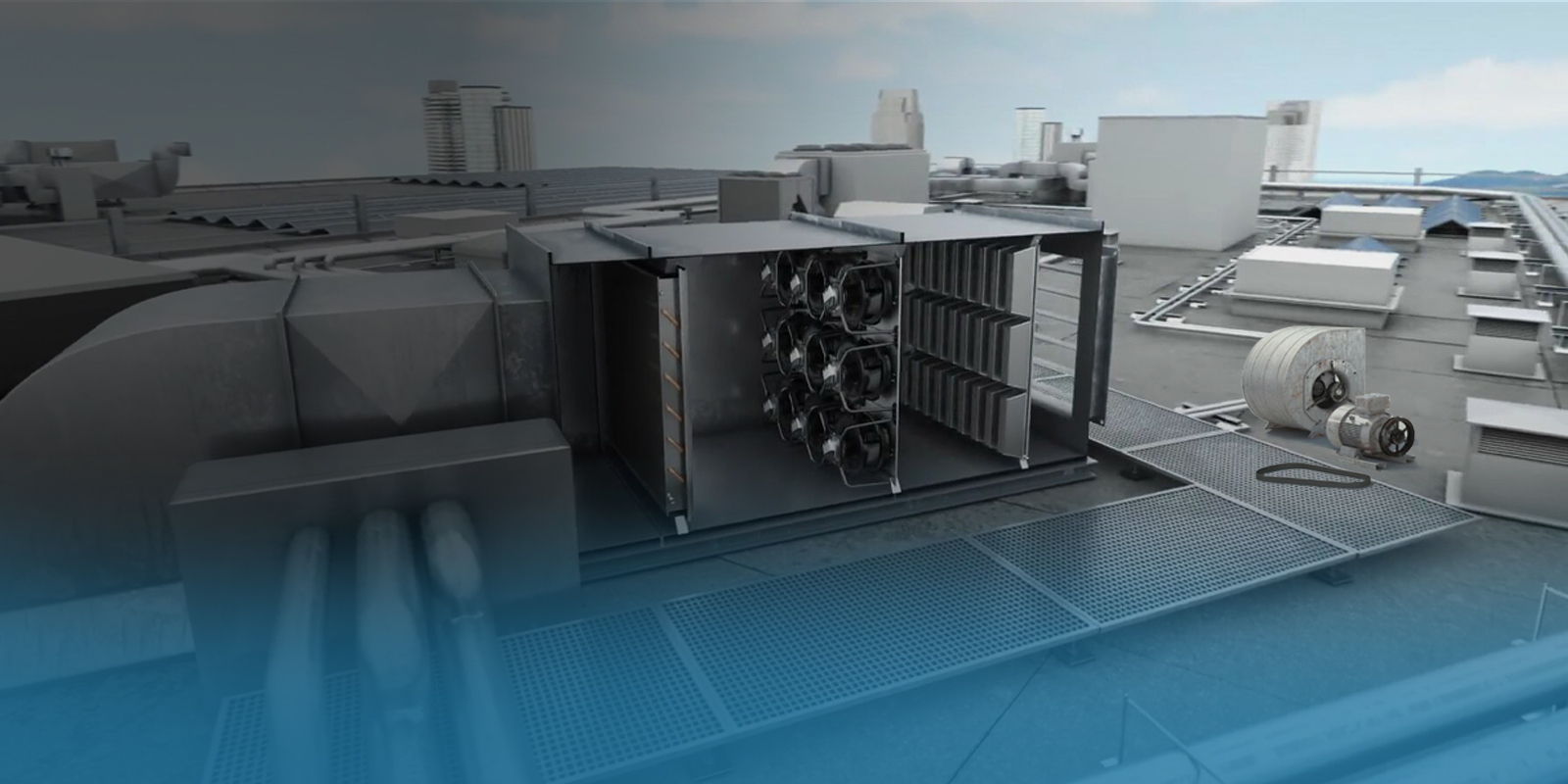
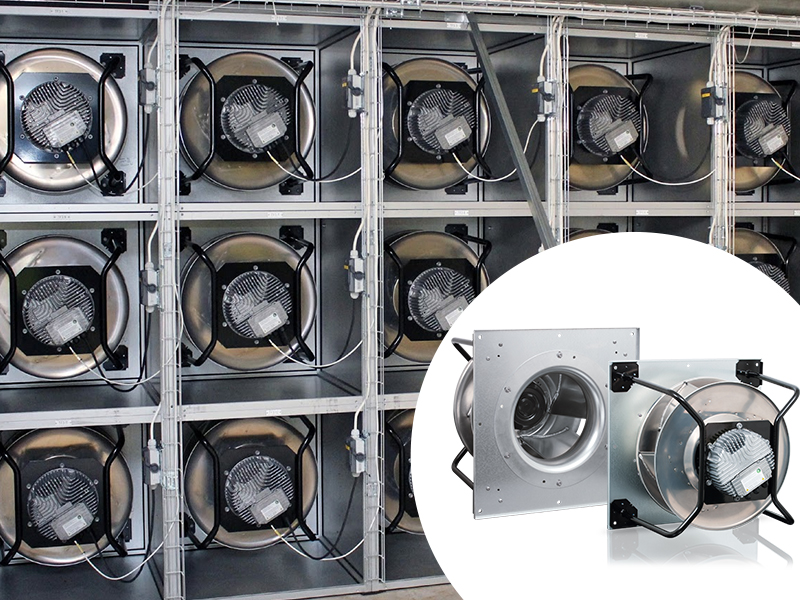
Housed centrifugal fans provide a defined discharge and suit many traditional AHU layouts. Plug fans offer flexible discharge, direct-drive options, and convenient arrays. Forward-curved wheels can be compact for appropriate clean-air duties, while backward-curved or backward-inclined wheels are common where efficiency and variable operation are important. The motor may be a fixed-speed AC design, an AC motor with VFD, or an integrated EC solution. Selection should compare efficiency, stability, sound, dimensions, service access, contamination tolerance, and control range. The chosen fan should work well across expected modes rather than excel only at the nominal design point.
Commercial Applications
Offices, schools, hotels, shopping centers, and similar buildings experience changing occupancy and load. Variable-speed fans can reduce airflow and pressure when zones require less conditioning, provided minimum outdoor air and humidity needs remain satisfied. Acoustic performance is important because fan sound can travel through ducts, ceilings, structure, and outdoor openings. Equipment often operates close to occupied areas, making casing construction and vibration control significant. Facilities teams benefit from straightforward alarms, accessible filters and fan components, and sequences that are understandable. Commercial efficiency projects frequently gain as much from setpoint reset and schedule correction as from replacing the fan itself.
Industrial Applications
Industrial AHUs can face higher pressure, long operating hours, harsh contaminants, outdoor installation, corrosive atmospheres, or demanding temperature conditions. Materials and coatings must suit the actual airstream and cleaning method. Motors, bearings, electronics, seals, and access hardware need environmental protection appropriate to the location. Process exhaust may require specialized fan construction and should not be treated like ordinary comfort return air. Reliability and safe failure behavior can dominate first cost. Designers should coordinate with process, electrical, safety, and maintenance teams, because a fan outage may affect production, worker exposure, product quality, or pressure containment rather than comfort alone.
Redundancy and Resilience
Critical systems may use duty-and-standby fans, parallel fans, or multi-fan arrays. Redundancy is meaningful only if the remaining equipment can provide the required emergency or reduced duty and if a failed fan does not create a major backflow path. Electrical supplies, drives, controls, sensors, and communication networks can become common points of failure. Maintenance access should allow one module to be isolated safely without unacceptable disruption where that is a project requirement. Control sequences need periodic testing, not just a written description. The design should state which functions continue after a failure and for how long, rather than using the word redundant without a performance definition.
Controls and Safeties
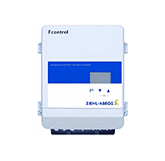
Typical controls include airflow, duct static pressure, room or building pressure, temperature, humidity, occupancy, and process signals. Variable systems need minimum and maximum limits, stable sensor locations, and a response to sensor failure. Fan proof, smoke control interfaces, freeze protection, high-pressure limits, access-door interlocks, and equipment safeties must be coordinated with applicable requirements and the overall control philosophy. Operators should be able to distinguish a commanded shutdown from a fault. In industrial systems, purge and emergency modes may override normal optimization but should remain bounded by fan, duct, and component limits. Clear sequence documentation is essential for commissioning and future troubleshooting.
Acoustics, Vibration, and Structure
Fan sound should be evaluated by frequency and transmission path, not only by one overall rating. Lower wheel speed, good inlet conditions, and a stable operating point are the first defenses. Silencers, duct lining, barriers, and casing upgrades can then address remaining paths, recognizing that each air-side treatment may add pressure loss. Vibration isolation should match the fan and structural arrangement, while flexible connectors must not distort or obstruct the airflow path. Rooftop and industrial installations may transmit low-frequency energy through steelwork or building frames. Structural support must also handle fan weight, torque, maintenance loads, and any array partitions without losing alignment.
Commissioning and Lifecycle Management
Commissioning verifies rotation, speed limits, airflow, pressure, power, sensor accuracy, damper response, alarms, safeties, vibration, and operating modes. Field conditions often differ from design assumptions, so final setpoints should be based on measured needs. Provide the owner with fan curves, product data, control backups, belt information if applicable, lubrication guidance, replacement procedures, and a record of baseline readings. Maintenance should track filter loading, wheel cleanliness, vibration, bearing condition, electrical faults, and energy indicators. The most successful AHU fan is not merely the one that passes its first test; it remains controllable, serviceable, and efficient as the building or process changes.
A Practical Decision Framework
Define the duty and air quality, develop credible airflow and pressure cases, and choose a fan family that fits the operating envelope. Test the choice against space, electrical integration, sound, service access, contamination, resilience, and controls. Review the AHU and duct geometry for system effects, then plan measurement points and commissioning before construction is complete. Compare lifecycle consequences rather than relying on a single efficiency value or purchase price. Commercial and industrial projects place different emphasis on comfort, process, uptime, and environment, but the engineering principle is the same: the fan must be selected as part of a complete air system and supported throughout its operating life.