






 English
 Français
 Deutsch
 Português
 Español
 русский
  한국어
한국어 العربية
 Italiano
 Indonesia
 Schweiz
 Polski
 Nederlands
 ישראל - עברית
 Perzisch
 ไทย
ไทย 日本語
日本語 ኢትዮ-አማርኛ
 Việt Nam
 Kiswahili
 Srpski
 Ελληνικά
 繁體中文
繁體中文AHU Fan Wall Energy-Saving Upgrade for a Large Apparel Trade Complex
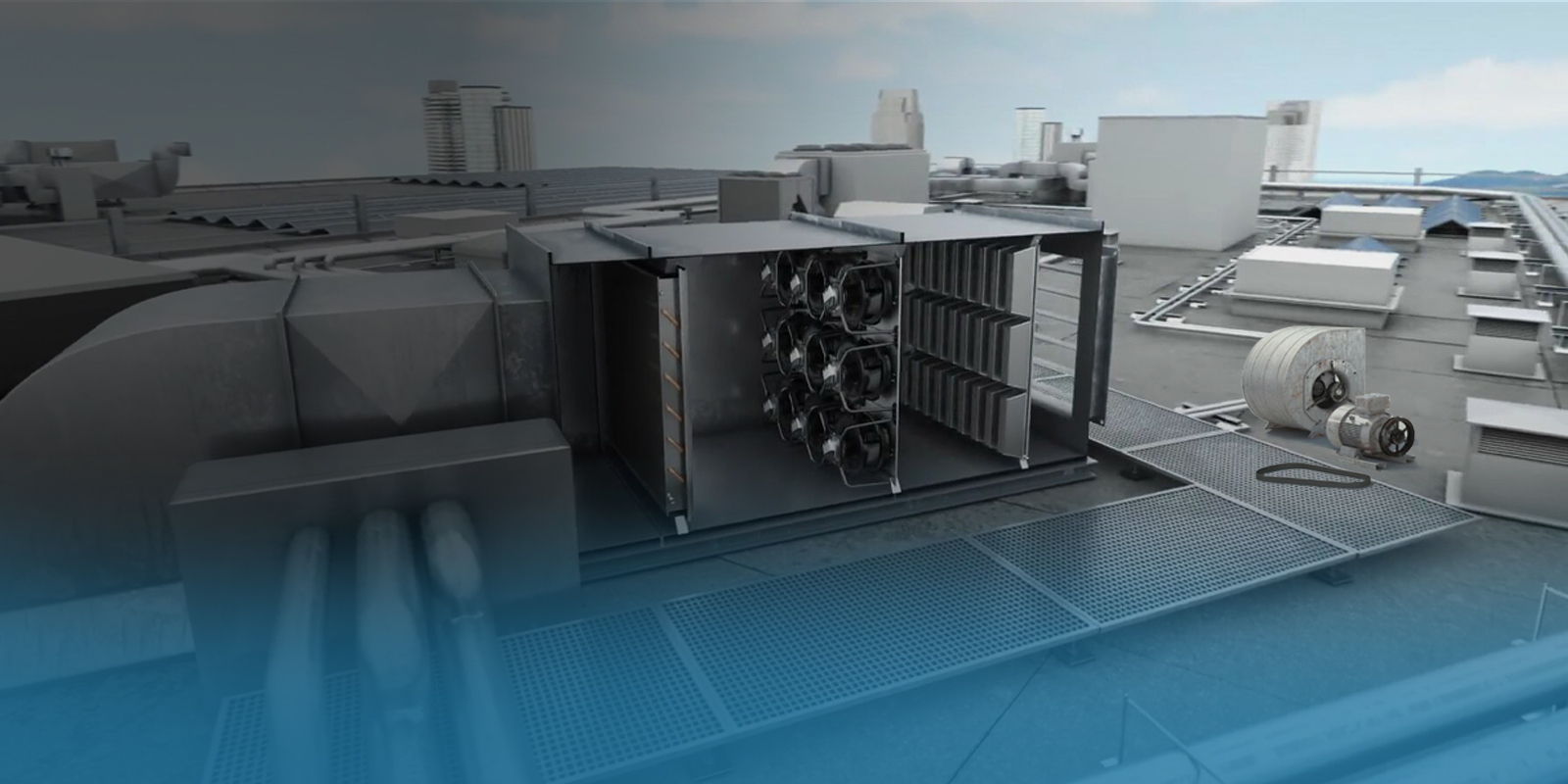
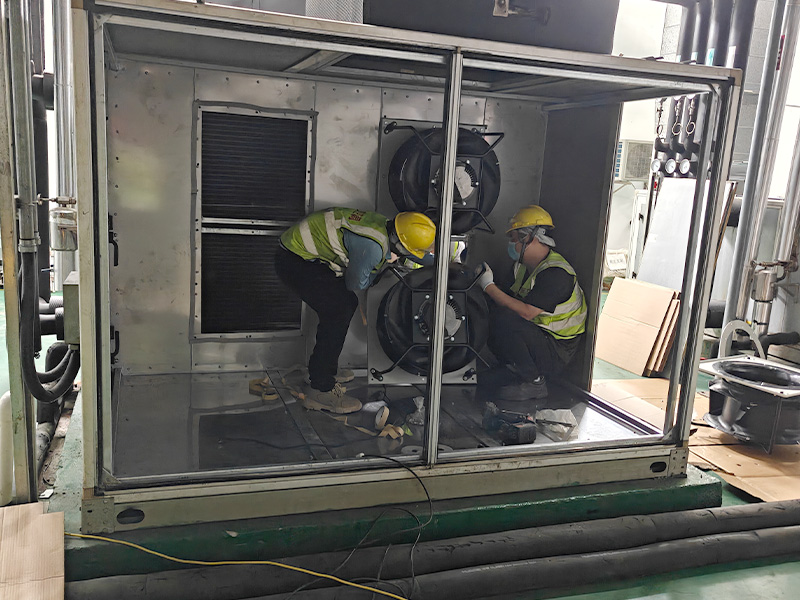
07/16/2026In this fan optimization project, a large apparel trade complex tackled a critical challenge: its legacy Air Handling Unit (AHU) EC fan wall no longer met expectations for efficiency, maintainability, and operational stability. Rather than recommending a costly, full equipment replacement, ASIA PACIFIC SHENGRUI LIMITED helped evaluate how the existing airflow system could be upgraded through a targeted, cost-effective retrofitting approach.
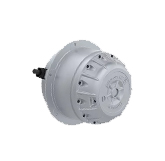
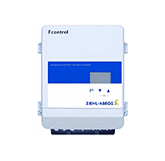
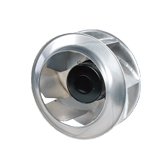
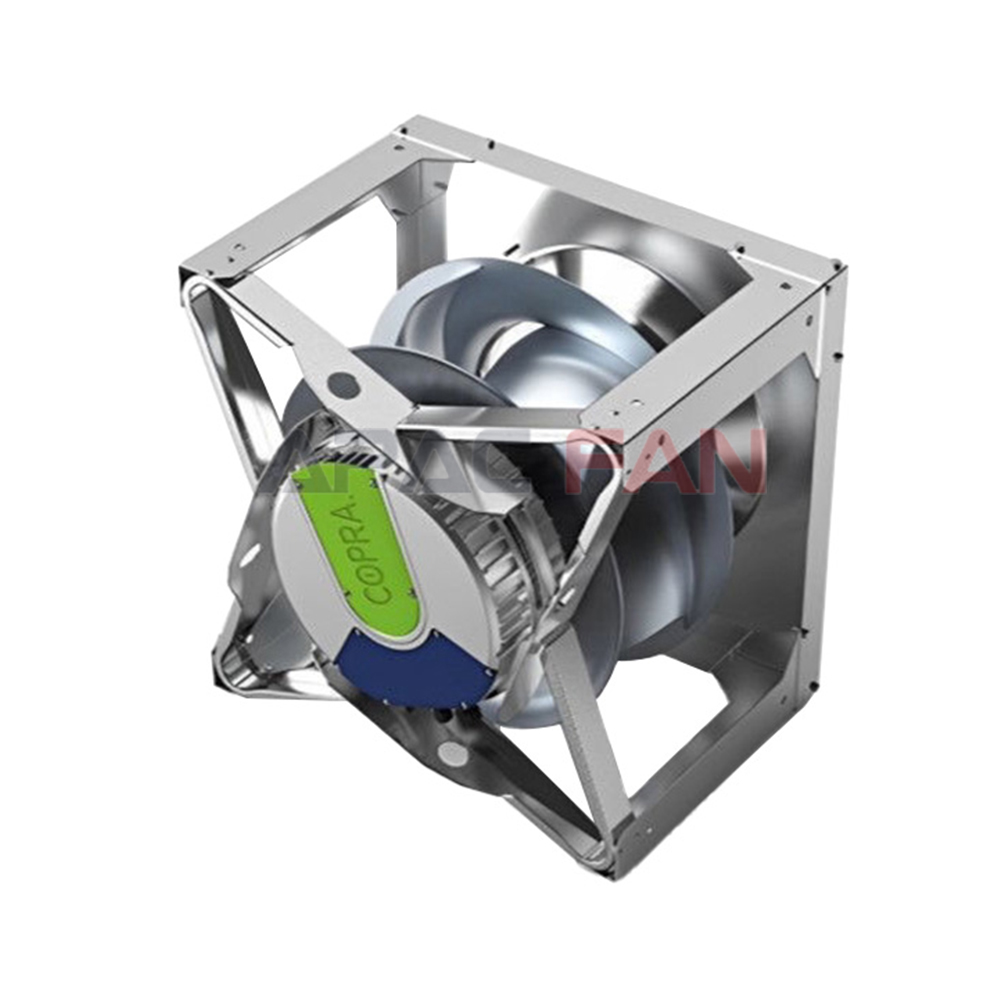
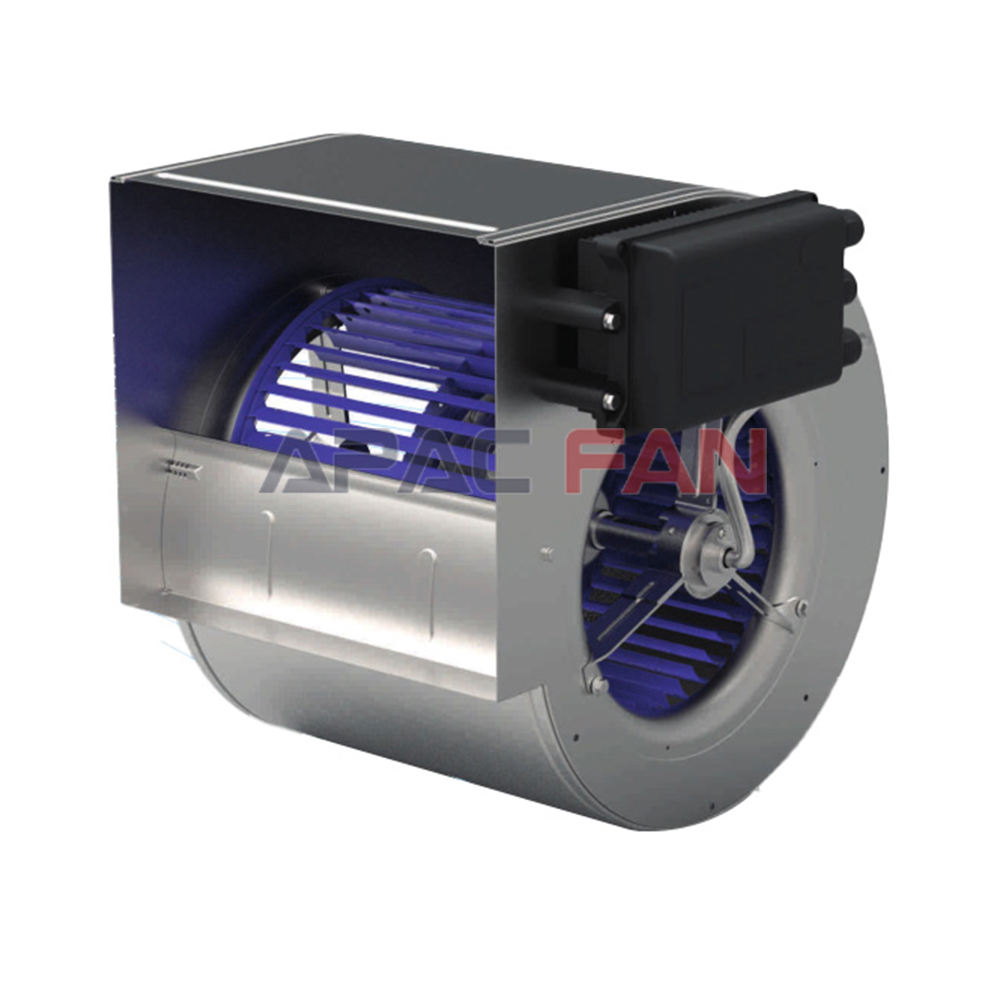
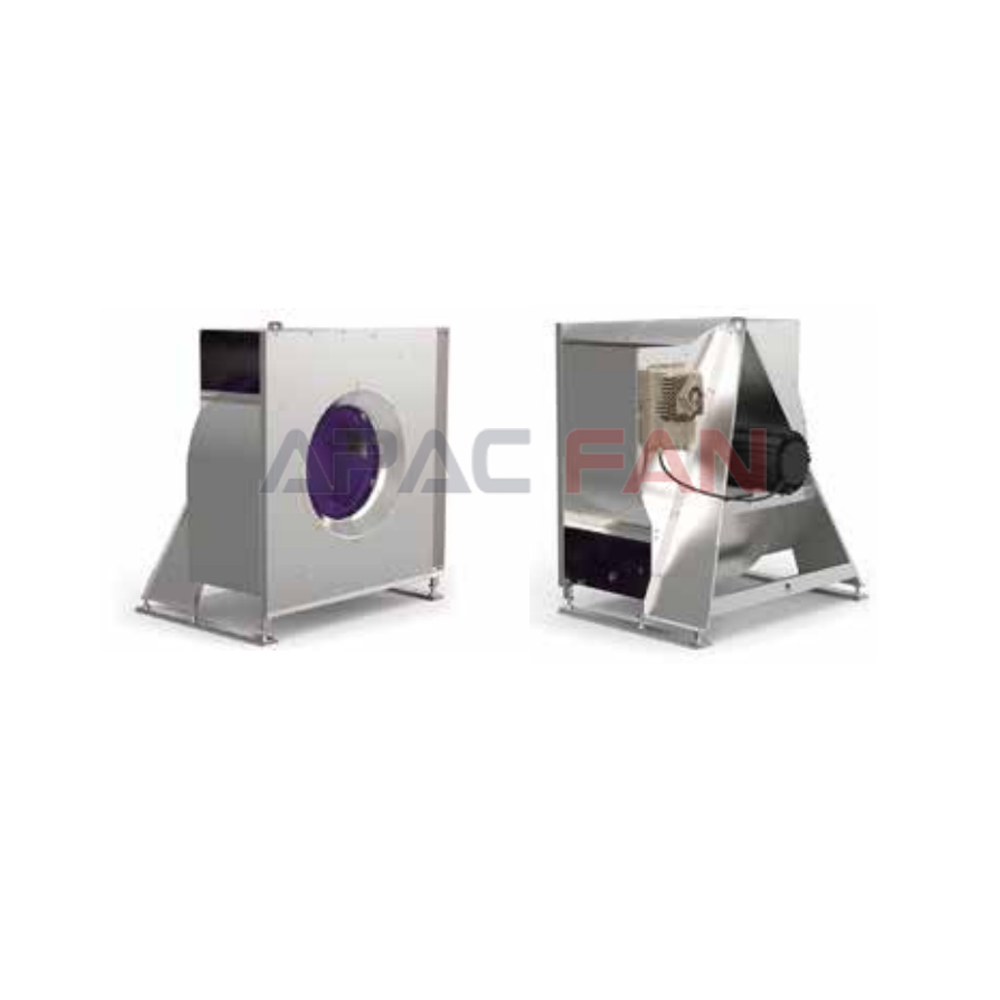
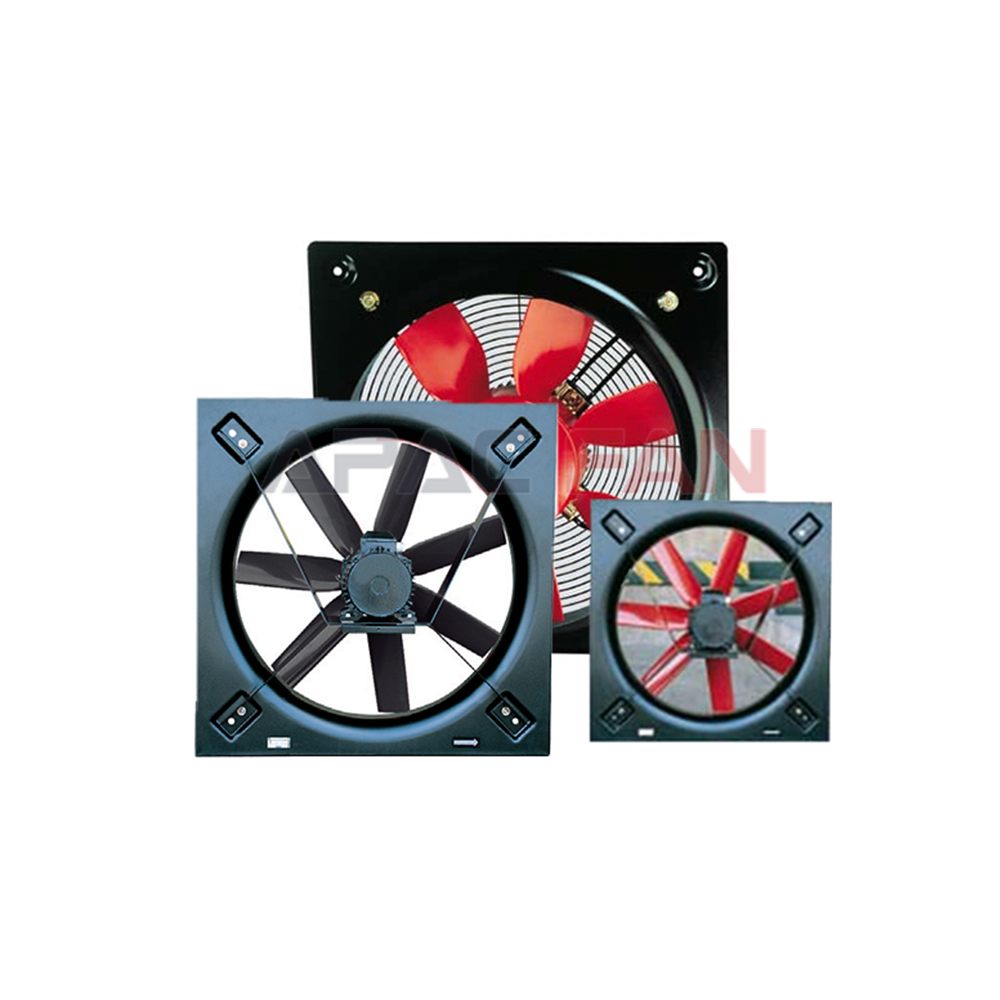
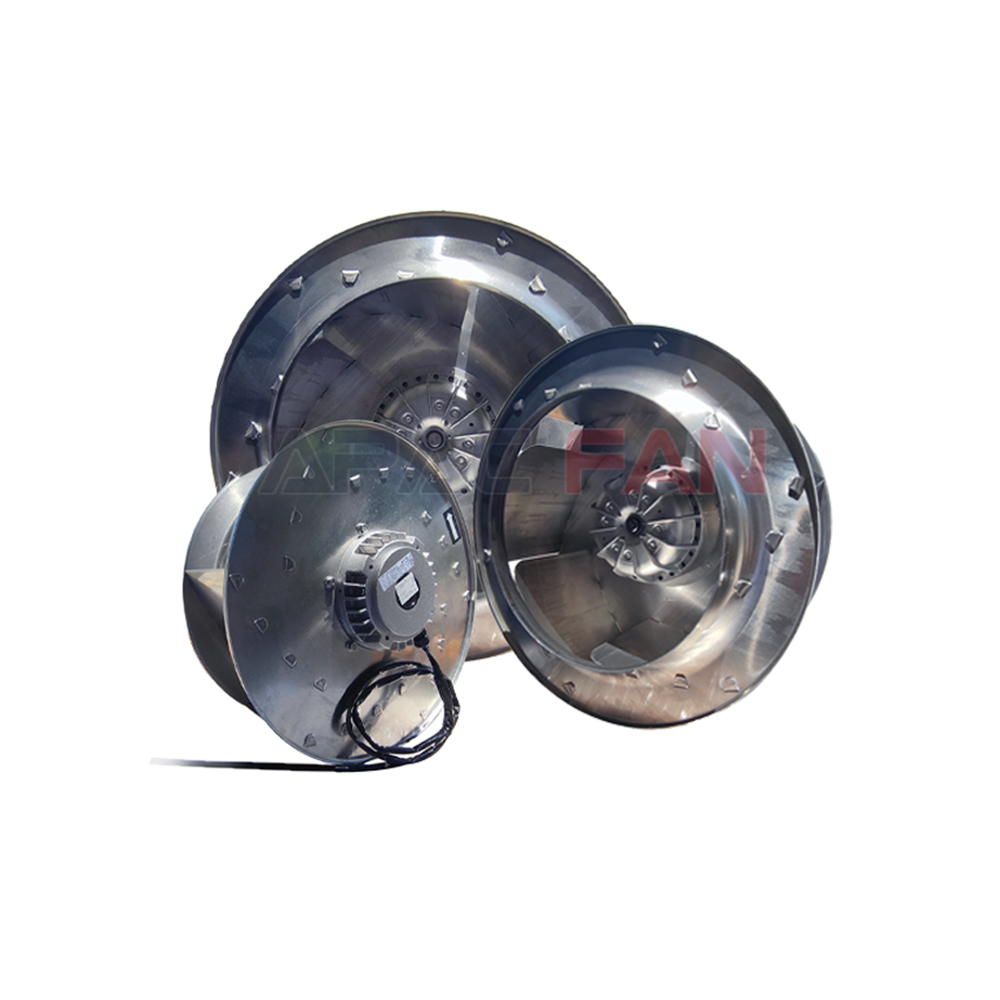
Original project data indicated an AHU airflow of approximately 65,000 m³/h, an external static pressure of about 400 Pa, and a 30 kW motor. The retrofit successfully transitioned the facility to a multi-module EC fan wall system, targeting an airflow of 65,000 m³/h at an increased static pressure of around 500 Pa. With the upgraded system, the estimated input power was reduced to just 17.4 kW, delivering an estimated energy-saving rate of about 42%. The new design also integrated access doors, partitions, running indicators, manual controls, and an optional PLC touch-screen control panel.
The Hidden Cost of an Aging Fan System
Older fan systems frequently drain operational budgets through hidden inefficiencies. While a motor may still spin, the overall system often wastes substantial energy due to poor component matching, fixed-speed operation, accumulated dirt, high pressure drops, or mechanical transmission losses. Furthermore, maintenance teams often find themselves spending excessive hours managing worn belts, bearing failures, severe vibrations, laser alignments, and emergency troubleshooting. These expenses are rarely obvious on a day-to-day basis, but they accumulate heavily over the system's lifespan.
How the Retrofit Was Planned
ASIA PACIFIC SHENGRUI LIMITED focused entirely on matching the fan upgrade to the precise realities of the site. The retrofit roadmap meticulously balanced required airflow, pressure margins, equipment structure, service access, electrical controls, alarm indications, and future adjustability requirements. For facilities with fluctuating demands, advanced speed control proves exceptionally valuable, ensuring the fan wall no longer runs at a fixed, maximum output regardless of the actual building load.
Why a Targeted Upgrade Delivers Better Results
Compared to replacing an entire HVAC infrastructure, a targeted fan upgrade slashes both system downtime and upfront capital investment. It strategically preserves the functional portions of the existing equipment while eliminating the primary root causes of energy waste and maintenance headaches. For most commercial and industrial facilities, this represents the most practical mechanism to capture high performance without disrupting daily business operations.
Long-Term Value
The true long-term dividends of a fan retrofit are found in sustained operational stability, minimized maintenance exposure, reduced energy bills, and smarter system control. When an airflow system is engineered for easier inspection and seamless adjustment, the facility team can pivot faster to handle changing internal loads, rising filter resistance, seasonal temperature shifts, or production schedule updates. This transforms the retrofit from a simple utility-saving measure into a core reliability upgrade.