











 English
 Français
 Deutsch
 Português
 Español
 русский
  한국어
한국어 العربية
 Italiano
 Indonesia
 Schweiz
 Polski
 Nederlands
 ישראל - עברית
 Perzisch
 ไทย
ไทย 日本語
日本語 ኢትዮ-አማርኛ
 Việt Nam
 Kiswahili
 Srpski
 Ελληνικά
 繁體中文
繁體中文Technology-Driven Energy Efficiency: AISA PACIFIC SHENGRUI LIMITED Completes EC Fan Retrofit Project for Global Leading Power Supply Enterprise
06/12/2026Driven by global carbon reduction strategies, energy-saving upgrades in industrial facilities have become an essential approach for reducing operating costs and accelerating green transformation. Recently, AISA PACIFIC SHENGRUI LIMITED successfully completed an EC fan retrofit project for the HVAC air handling systems at a global leading power supply enterprise's industrial park, delivering a highly efficient and reliable ventilation upgrade for one of the leading new energy manufacturing facilities.
The project addressed long-standing issues associated with the facility's original air handling units, which used traditional belt-driven fans powered by three-phase asynchronous motors. While widely used in older HVAC systems, this configuration suffered from several inherent disadvantages. Motor efficiency was relatively low, and additional mechanical losses from belt transmission further increased energy consumption. Routine maintenance requirements such as belt replacement and bearing lubrication also resulted in higher maintenance costs and reduced operational stability.
As the global leading power supply enterprise continued to pursue higher standards for energy efficiency, operational reliability, and sustainable manufacturing, the company launched a comprehensive fan system energy-saving upgrade program. With extensive experience in industrial ventilation retrofits and EC fan applications, AISA PACIFIC SHENGRUI LIMITED was selected to undertake the project.
1. Upgrading From Traditional Belt-Driven Fans to High-Efficiency EC Fan Walls
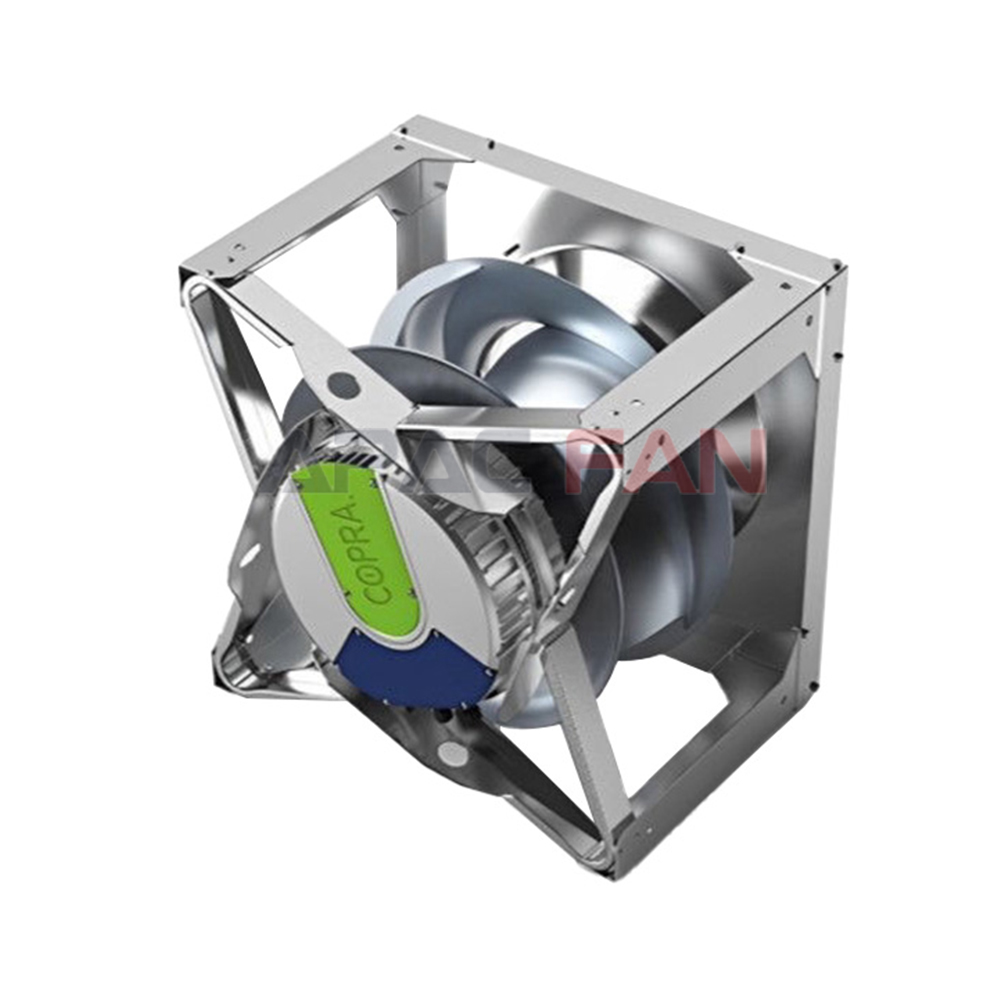
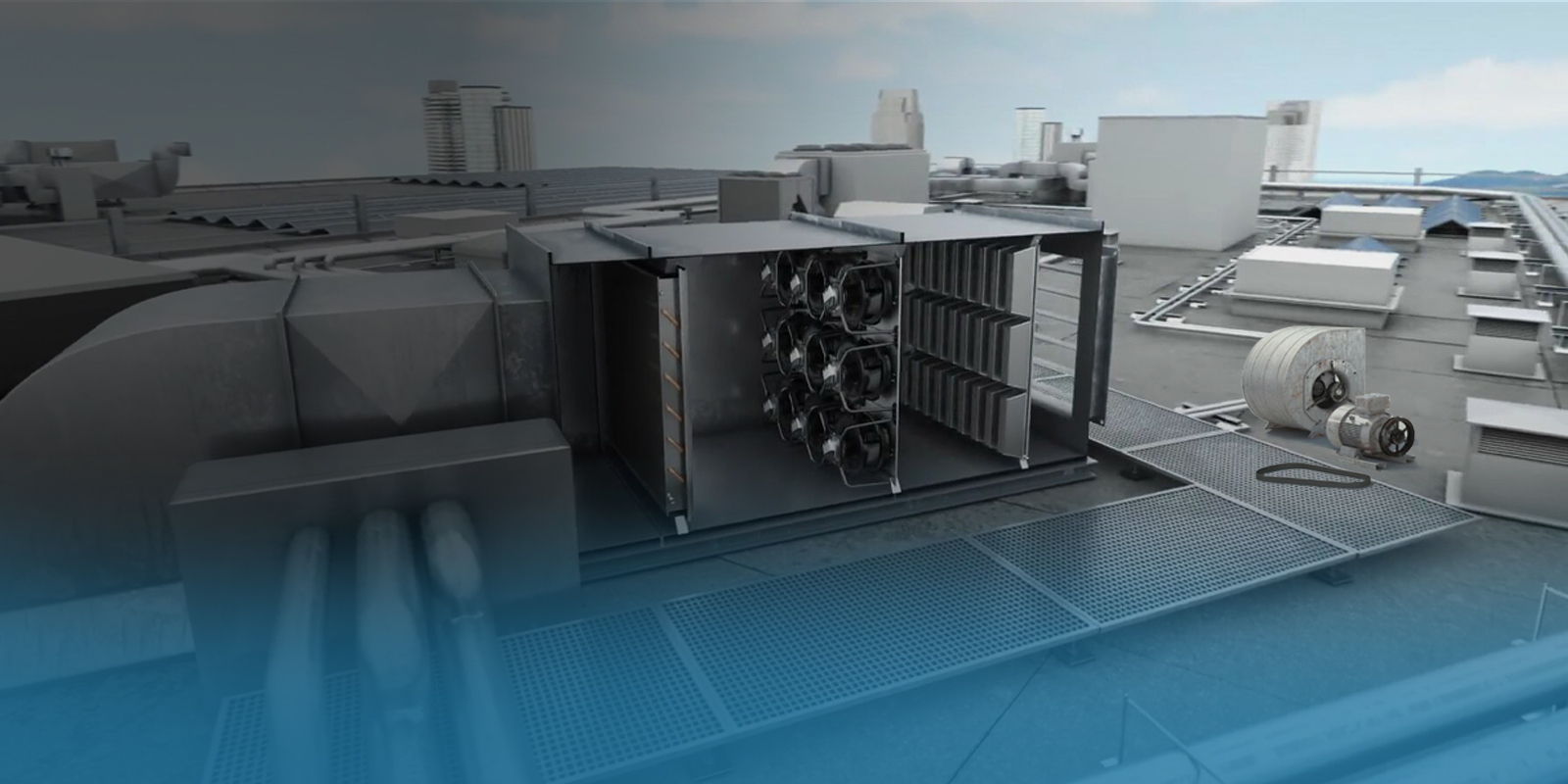
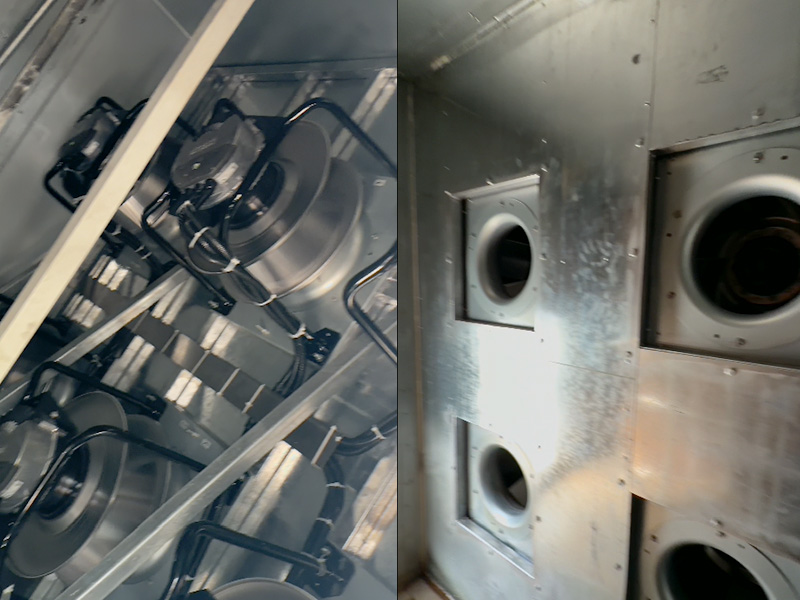
The core of the retrofit project involved replacing the original belt-driven fan systems with advanced EC fan wall technology.
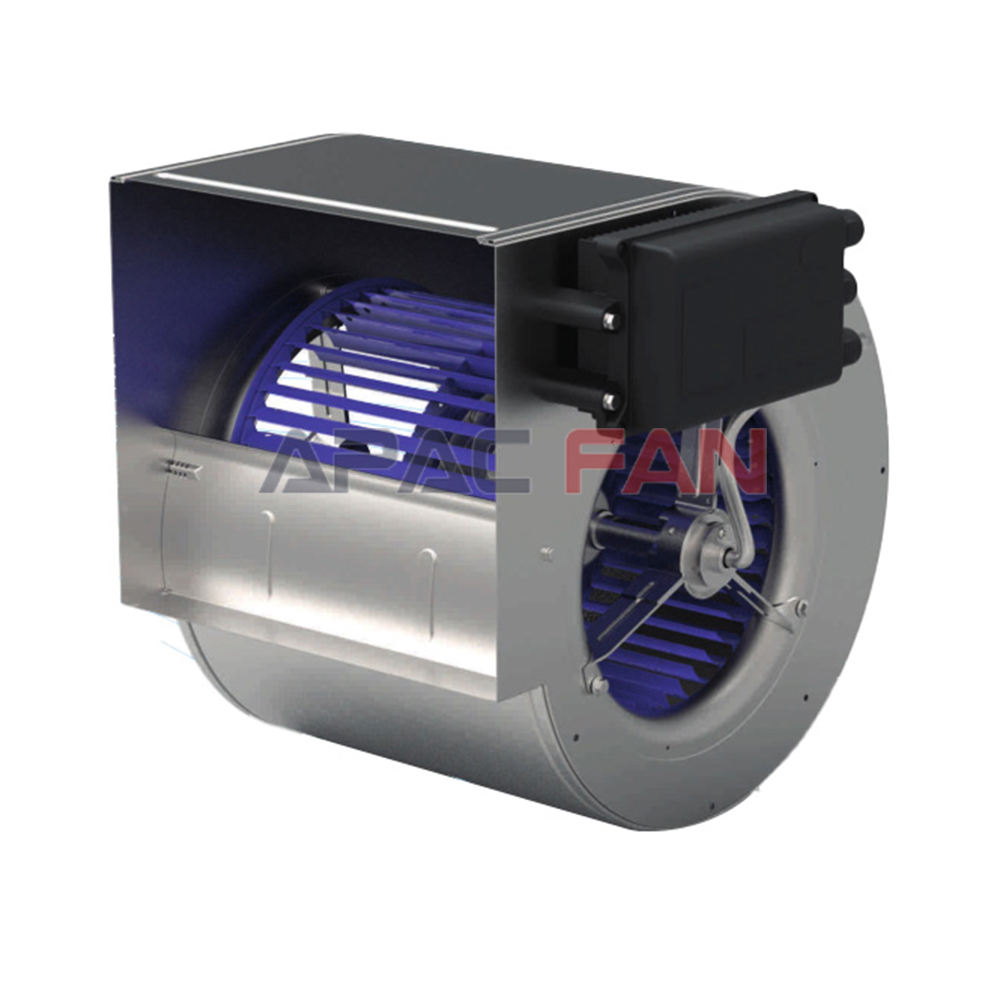
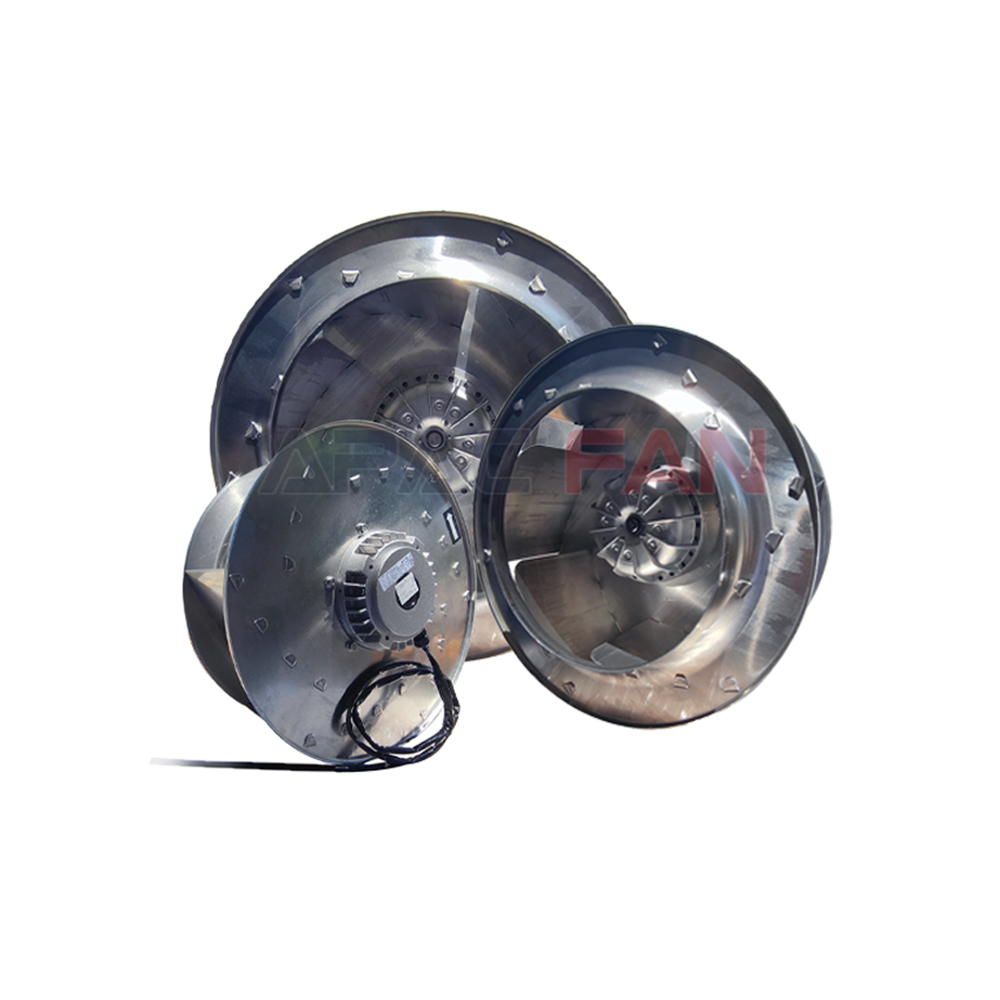
EC fans utilize electronically commutated permanent magnet motors with external rotor structures. Unlike conventional asynchronous motors, EC motors use electronic commutation technology combined with Hall sensors to accurately detect rotor position and optimize motor operation in real time. This design allows motor efficiency to exceed 90 percent, significantly outperforming traditional motor systems.
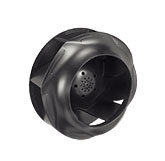
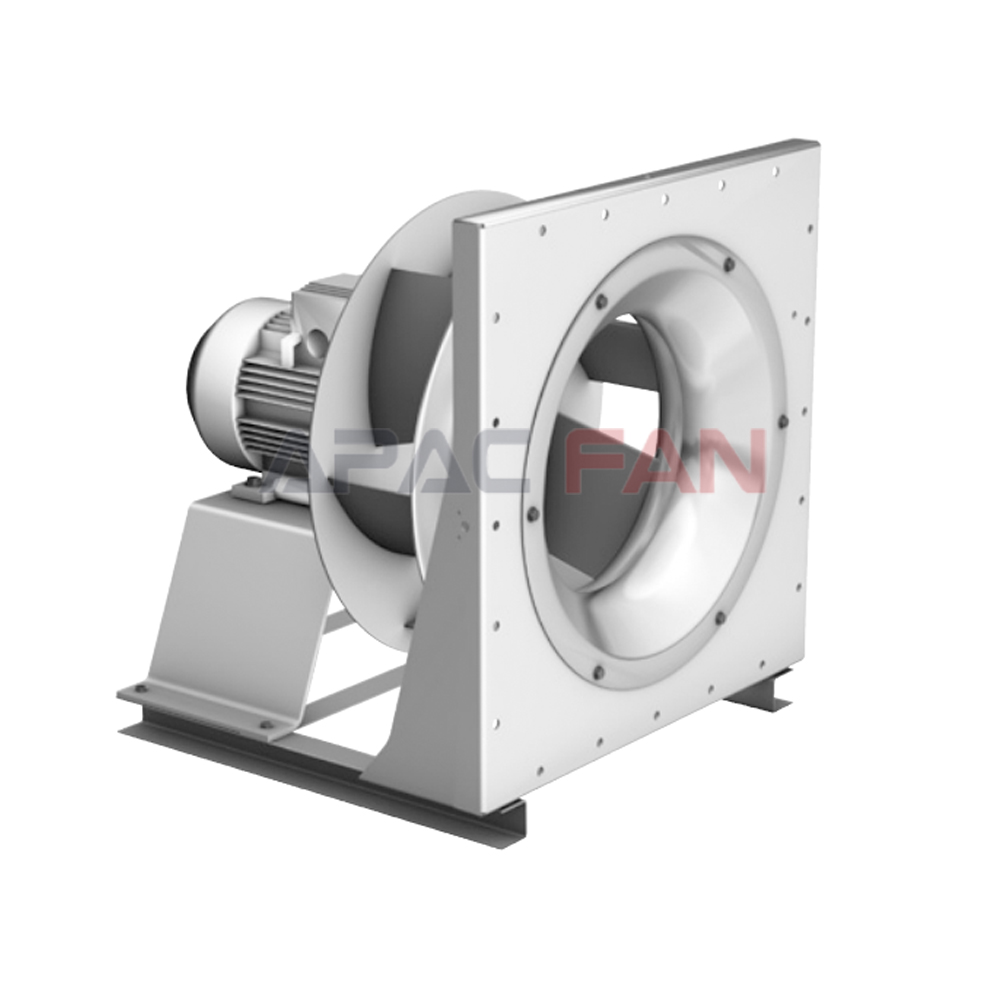
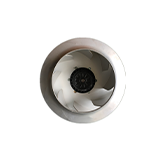
In addition, the EC fans adopted in this project feature a direct-drive, belt-free structure combined with airfoil backward-curved centrifugal impellers. By eliminating belt transmission losses entirely, the system achieves much higher aerodynamic efficiency. The impeller efficiency can reach up to 70 percent, representing a major improvement over conventional forward-curved impeller designs.
2. Precision Engineering and Efficient Project Execution
During the preparation stage, the AISA PACIFIC SHENGRUI LIMITED engineering team conducted a comprehensive on-site survey of all air handling units from AHU-101 to AHU-108. Key operating parameters including airflow volume, total static pressure, and power consumption were carefully measured to ensure the retrofit design would match the original system requirements while optimizing airflow distribution and installation space.
For the equipment selection, the project adopted IE5 ultra-high-efficiency EC fans compliant with JB/T 12227-2015 standards. The selected fans support Modbus protocol and RS485 communication, enabling seamless integration with the building control system. The fans also support stepless speed regulation from 10 percent to 100 percent and include power-failure memory and intelligent fault self-diagnosis functions, ensuring reliable operation under complex industrial conditions.
During installation, strict safety management procedures were implemented throughout the project. Certified technicians handled all specialized operations, and equipment shutdown schedules were carefully coordinated to avoid disruption to production activities. Each air handling unit retrofit, including dismantling, installation, and commissioning, was completed within 24 hours. All eight AHU retrofit projects were successfully completed before June 22.
The upgraded system uses multiple EC fans operating in parallel as a fan wall configuration. This structure significantly improves system redundancy and reliability. If one fan experiences a fault, the remaining fans automatically increase speed to compensate for airflow demand, ensuring stable system operation without interruption.
3. Outstanding Energy-Saving Results
After commissioning, professional testing confirmed that the energy-saving performance exceeded project expectations.
For AHU-101 through AHU-104, each operating at 60,000 cubic meters per hour and 958 Pa static pressure, power consumption decreased from 30 kW to 22 kW after the retrofit, achieving an energy saving rate of 26.6 percent.
For AHU-105, operating at 60,000 cubic meters per hour and 947 Pa static pressure, power consumption dropped from 37 kW to 23.3 kW, resulting in a remarkable energy saving rate of 37 percent.
For AHU-106 through AHU-108, operating under higher static pressure conditions of 1700 Pa, power consumption was reduced from 55 kW to 40 kW, achieving a 27 percent energy reduction.
Overall, the project achieved a comprehensive energy-saving rate exceeding 25 percent, fully meeting the original project targets.
Beyond energy savings, the maintenance-free characteristics of the EC fan system also delivered substantial operational benefits. The belt-free direct-drive design completely eliminated routine maintenance tasks such as belt replacement and bearing lubrication. In addition, the absence of belt wear particles improved system cleanliness and contributed to more stable long-term operation.
4. Supporting Green Manufacturing Through Advanced Ventilation Solutions
The successful completion of this EC fan retrofit project at the global leading power supply enterprise's industrial park highlights AISA PACIFIC SHENGRUI LIMITED's technical expertise and project delivery capability in the field of industrial ventilation and energy-saving solutions.
As a professional provider of industrial fan and airflow solutions, AISA PACIFIC SHENGRUI LIMITED has accumulated years of experience in ventilation and thermal management applications. The company is an authorized partner of internationally recognized brands including ebmpapst and Ziehl-Abegg. Looking ahead, AISA PACIFIC SHENGRUI LIMITED will continue to leverage advanced technologies and practical project experience to provide customized energy-saving retrofit solutions for industrial customers, helping accelerate the transition toward greener, lower-carbon, and higher-efficiency manufacturing operations.
FAQ
Q: What is an EC fan wall system?
A: An EC fan wall system is a modular ventilation solution that uses multiple electronically commutated fans operating together inside an air handling unit. Compared with traditional belt-driven systems, EC fan walls provide higher energy efficiency, lower maintenance requirements, and more reliable airflow control.
Q: Why are EC fans more efficient than traditional AC fans?
A: EC fans use permanent magnet motor technology combined with intelligent electronic control. This allows the motor to automatically optimize performance based on operating conditions, reducing energy consumption and improving overall system efficiency.
Q: What are the advantages of replacing belt-driven fans with EC fans?
A: Replacing belt-driven fans with EC fans eliminates mechanical transmission losses caused by belts and pulleys. EC fan systems also reduce maintenance requirements, improve airflow stability, lower operating noise, and significantly reduce HVAC energy consumption.
Q: How much energy can an EC fan retrofit save?
A: Energy savings vary depending on system configuration and operating conditions. In many industrial HVAC retrofit projects, EC fan upgrades can reduce energy consumption by 20 percent to 40 percent.
Q: Can EC fan wall systems improve HVAC reliability?
A: Yes. Fan wall systems use multiple fans operating in parallel. If one fan fails, the remaining fans can automatically compensate by increasing speed, helping maintain stable airflow and reducing the risk of system shutdown.
Q: Are EC fan systems suitable for industrial manufacturing facilities?
A: Yes. EC fan systems are widely used in electronics manufacturing, semiconductor facilities, pharmaceutical plants, food processing factories, cleanrooms, data centers, and other industrial environments requiring high-efficiency ventilation systems.
Q: What communication protocols do EC fans support?
A: Most modern EC fan systems support industrial communication protocols such as Modbus and RS485, allowing integration with building management systems for real-time monitoring and intelligent control.
Q: Do EC fan retrofits require replacing the entire air handling unit?
A: No. In many retrofit projects, the original AHU housing can remain in place while only the internal fan system is upgraded. This reduces installation costs and minimizes production interruption.
Q: Why are EC fan retrofits important for green manufacturing?
A: Industrial HVAC systems consume significant amounts of electricity. EC fan retrofit solutions help manufacturers reduce energy consumption, lower carbon emissions, improve equipment efficiency, and support long-term sustainability goals.