








 English
 Français
 Deutsch
 Português
 Español
 русский
  한국어
한국어 العربية
 Italiano
 Indonesia
 Schweiz
 Polski
 Nederlands
 ישראל - עברית
 Perzisch
 ไทย
ไทย 日本語
日本語 ኢትዮ-አማርኛ
 Việt Nam
 Kiswahili
 Srpski
 Ελληνικά
 繁體中文
繁體中文Data Center Cooling Trends: Free Cooling and EC Fan Optimization
02/24/2026The relentless expansion of the digital universe, fueled by cloud computing, artificial intelligence, 5G networks, and the Internet of Things, has placed data centers at the heart of the global economy. These mission-critical facilities are under unprecedented pressure to manage explosive data demand while confronting the dual challenges of soaring energy costs and stringent environmental sustainability mandates. Within the data center’s energy footprint, the cooling infrastructure often represents the single largest consumer of power after the IT load itself, accounting for a substantial portion of both operational expenditure and carbon emissions. Consequently, optimizing cooling system efficiency has evolved from a technical consideration into a strategic imperative for ensuring economic viability and environmental responsibility.
In response, the industry is undergoing a profound transformation, moving beyond brute-force mechanical cooling towards intelligent, adaptive, and climate-aware thermal management strategies. Two interconnected technological trends are at the forefront of this revolution: the widespread adoption of free cooling techniques and the systematic optimization of fan systems through Electronically Commutated (EC) technology. Free cooling leverages favorable ambient conditions to reduce or eliminate mechanical refrigeration, while EC fan optimization ensures that the airflow essential to these systems is delivered with maximum precision and minimal energy waste. Together, these innovations form a synergistic approach that dramatically lowers energy consumption and operational costs while maintaining or even enhancing the reliability required for 24/7 operations. This article delves into the drivers, mechanisms, benefits, and future directions of these pivotal trends shaping the sustainable data center of today and tomorrow.
Why Cooling Efficiency Is a Strategic Priority
The imperative for cooling efficiency is underscored by a stark statistic: cooling typically represents 30–40% of total data center energy consumption. In an era of escalating electricity prices, this translates directly to a massive and recurring operational cost. However, the drivers extend far beyond economics. Globally, governments and regulatory bodies are implementing stricter environmental regulations and carbon taxation schemes, compelling organizations to minimize their carbon footprint. Corporate Environmental, Social, and Governance (ESG) commitments and public pledges to achieve carbon neutrality further intensify the focus on sustainable operations.
The universal metric for data center energy efficiency, Power Usage Effectiveness (PUE), measures the ratio of total facility energy to IT equipment energy. An ideal PUE is 1.0. Historically, many facilities operated with PUEs of 1.8 or higher, meaning nearly half of all power was used for support functions like cooling. Modern best practices, however, target PUEs of 1.2 or lower. The cooling system is the primary lever for achieving these aggressive targets. The business case is clear: every percentage point reduction in PUE yields significant savings in energy costs, reduces Scope 2 carbon emissions, mitigates regulatory risk, and enhances corporate sustainability credentials. This powerful convergence of financial, regulatory, and ethical factors is driving a wholesale shift toward intelligent, high-efficiency cooling and airflow management solutions across all regions, from Europe and North America to Southeast Asia and the Middle East.
Trend 1: Free Cooling in Data Centers
What Is Free Cooling?
Free cooling, a cornerstone of energy-efficient data center design, refers to the use of naturally available low-temperature environmental conditions to cool the facility, thereby reducing or completely bypassing the need for energy-intensive mechanical refrigeration. The core principle is simple: instead of generating "cold" through power-hungry compressors, the system uses a heat exchange medium—air or water—that is already at a sufficiently low temperature. The feasibility and design of free cooling systems are heavily dependent on local climate, with implementations varying to match regional conditions. The primary types of free cooling are as follows.
- Air-Side Free Cooling
This is the most direct form of free cooling. It involves using filtered outdoor air when its temperature and humidity are within acceptable thresholds for the data hall. Dampers and control systems modulate the intake of cool outside air, which is used to cool the servers directly or through a heat exchange interface, while expelling the warm exhaust air. This method can significantly reduce or even eliminate chiller operation for extended periods, especially in temperate climates. Regions like Northern and Western Europe, the Pacific Northwest of the United States, and parts of China are ideal for this approach. Key challenges include air filtration to maintain high indoor air quality and humidity control to prevent electrostatic discharge or corrosion.
- Water-Side Free Cooling
Water-side free cooling integrates with a data center’s chilled water system. During cool or cold weather, the system bypasses the chiller’s compressors. Instead, the warm return water from the data hall is circulated to a cooling tower or dry cooler, where it is cooled by the ambient air through evaporative or dry heat exchange, and then recirculated. This method is highly effective and commonly used in large hyperscale and colocation facilities. It offers a high degree of control and is suitable for a wider range of climates than direct air-side economization, as the water loop acts as a buffer. The efficiency gains are substantial, as the cooling tower’s fans and pumps consume far less energy than a chiller plant at full compressor load.
- Indirect Evaporative Cooling
This advanced form of free cooling is particularly valuable in hot, dry climates, such as the Middle East, the American Southwest, and parts of Australia. The system uses a heat exchanger to separate the outdoor and indoor air streams. The outdoor air stream is cooled by the evaporation of water (an adiabatic process), which in turn cools the separate, isolated air stream circulating in the data hall. This process provides the cooling benefit of evaporation without adding moisture to the sensitive server environment. It offers a powerful means of achieving free cooling hours even in regions with high ambient dry-bulb temperatures but low wet-bulb temperatures.
The Role of Fans in Free Cooling Systems
Free cooling technologies are fundamentally reliant on the movement of air—either directly or indirectly. The efficiency and intelligence of the fan systems that drive this airflow are therefore critical to overall performance. Free cooling systems place unique demands on fans: they must operate reliably for thousands of hours, provide variable airflow to match constantly changing outdoor conditions and IT loads, maintain stable pressure differentials, and do so with minimal energy consumption. The transition from fixed-speed fans cycling on and off to continuously modulated, high-efficiency fans is what unlocks the full potential of free cooling. This requirement for precision, reliability, and efficiency has catalyzed the rise of EC fan technology as an enabling cornerstone.
Trend 2: EC Fan Optimization
Why EC Fans Are Ideal for Modern Data Centers
Electronically Commutated (EC) fans represent a paradigm shift in fan motor technology. Unlike traditional alternating current (AC) induction motors, EC motors are essentially brushless DC motors with integrated variable speed drive electronics. This architecture delivers a suite of benefits perfectly aligned with the needs of modern, efficient data centers. First and foremost, EC motors are inherently more efficient, converting a higher percentage of electrical input into useful mechanical work, with peak efficiencies often exceeding 90%. This directly reduces the fan’s own heat load on the cooling system. Secondly, the integrated speed controller allows for seamless, continuous, and precise modulation of fan speed from 0% to 100% in response to control signals, eliminating the energy waste of throttling dampers or inlet guide vanes used with fixed-speed fans.
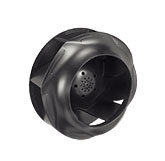
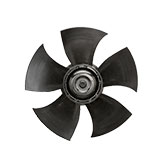
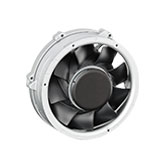
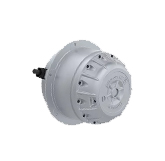
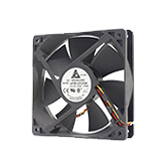
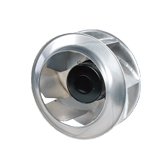
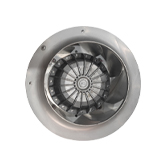
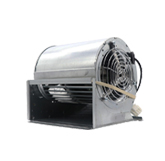
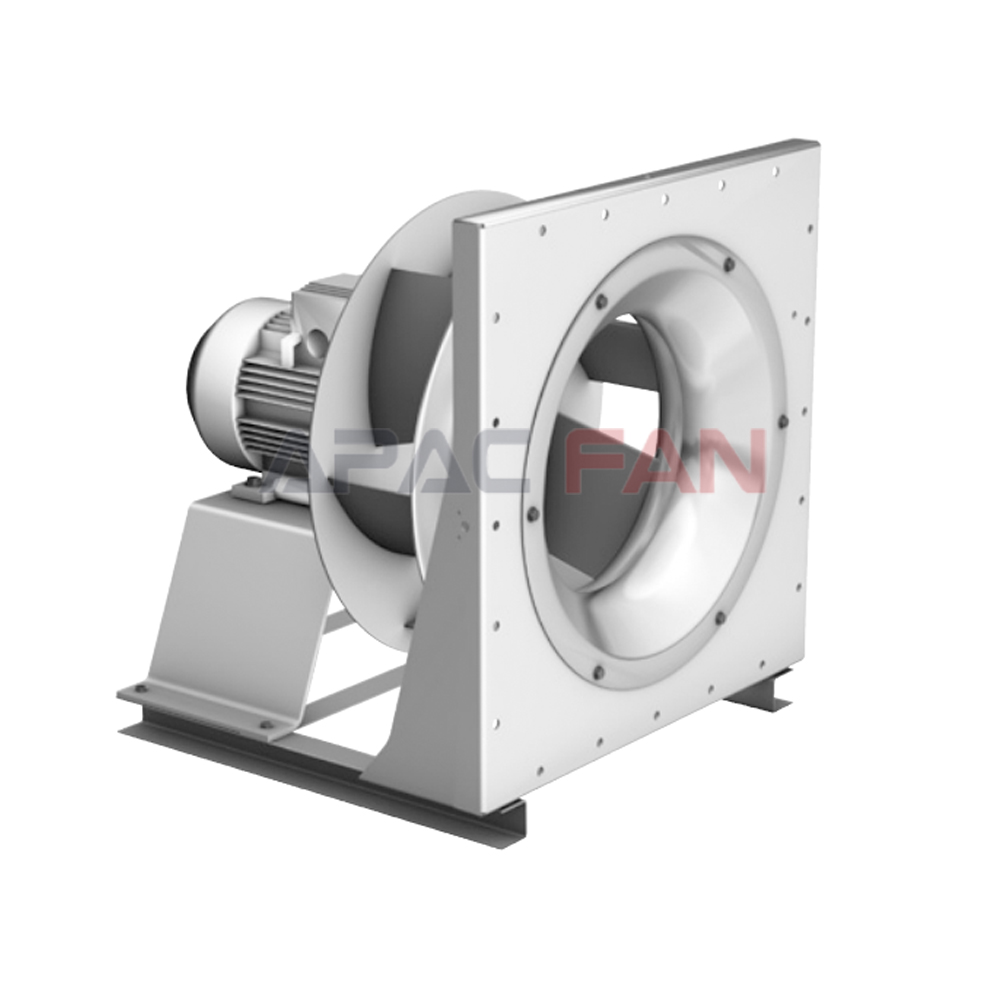
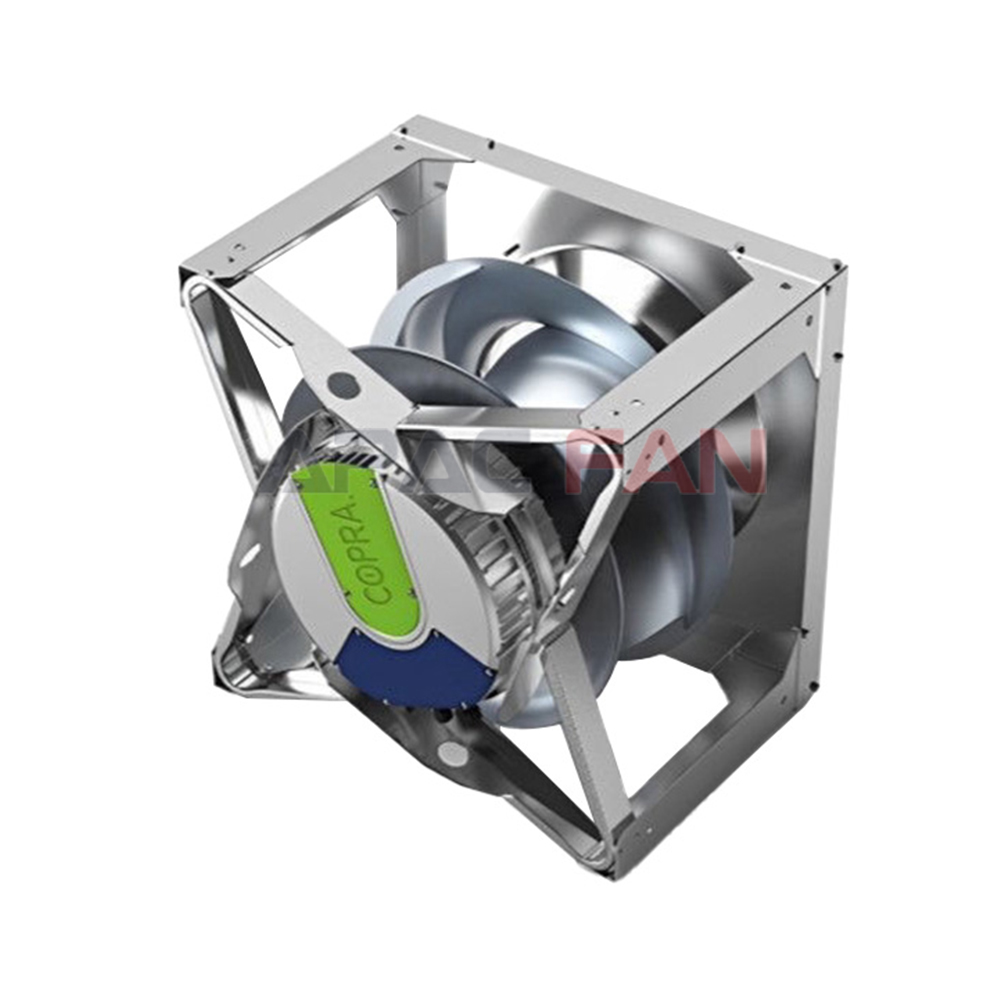
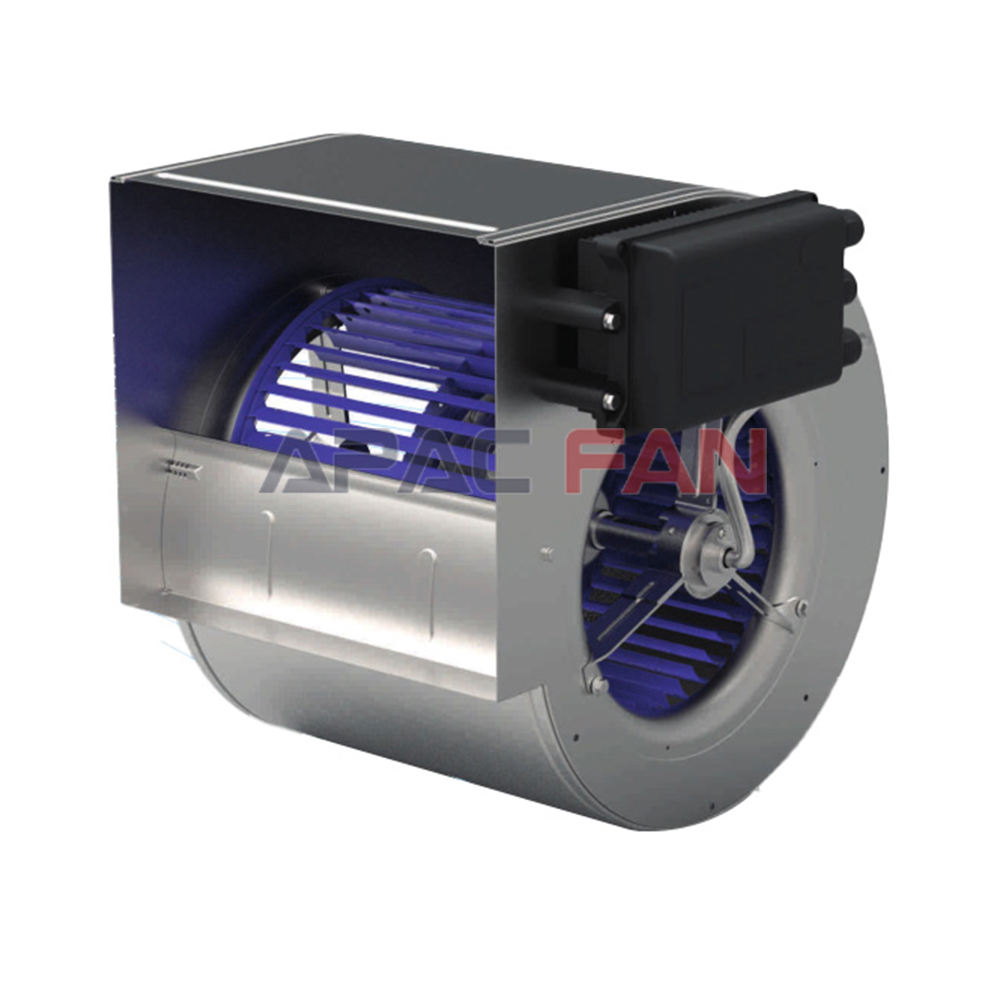
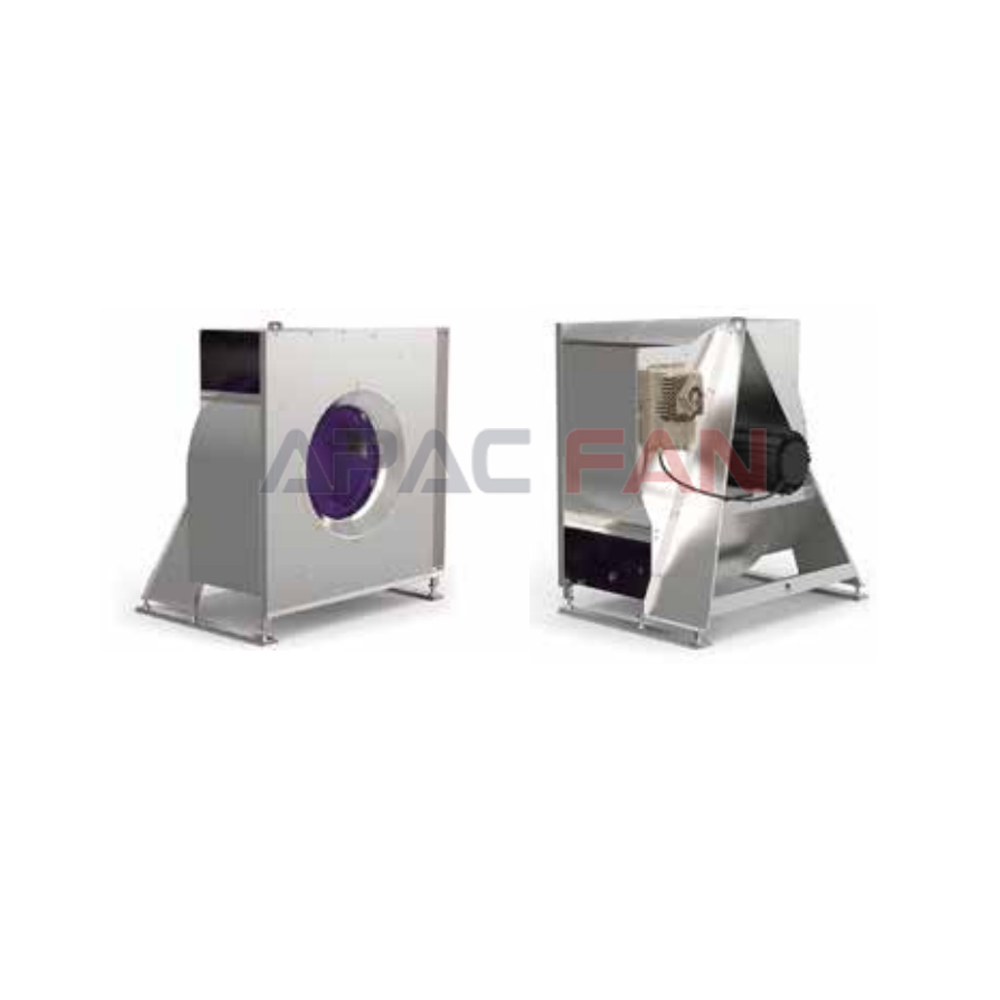
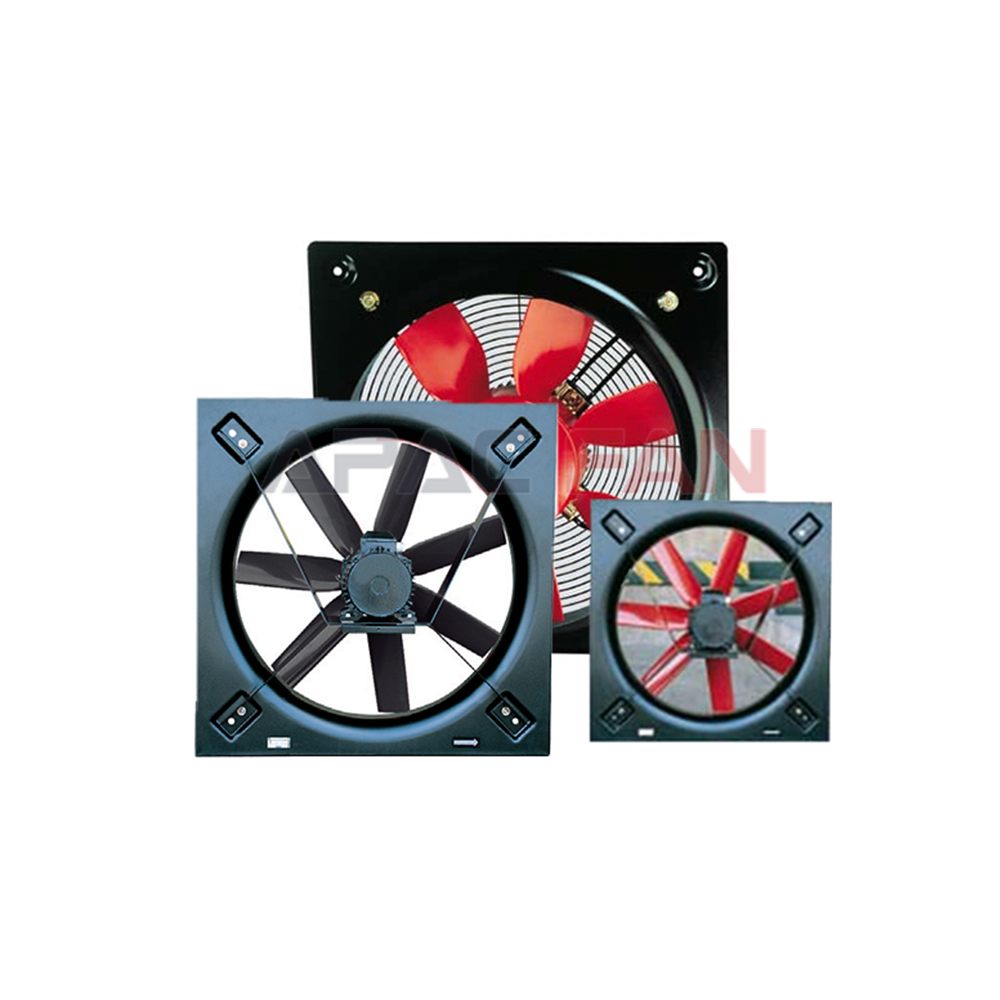
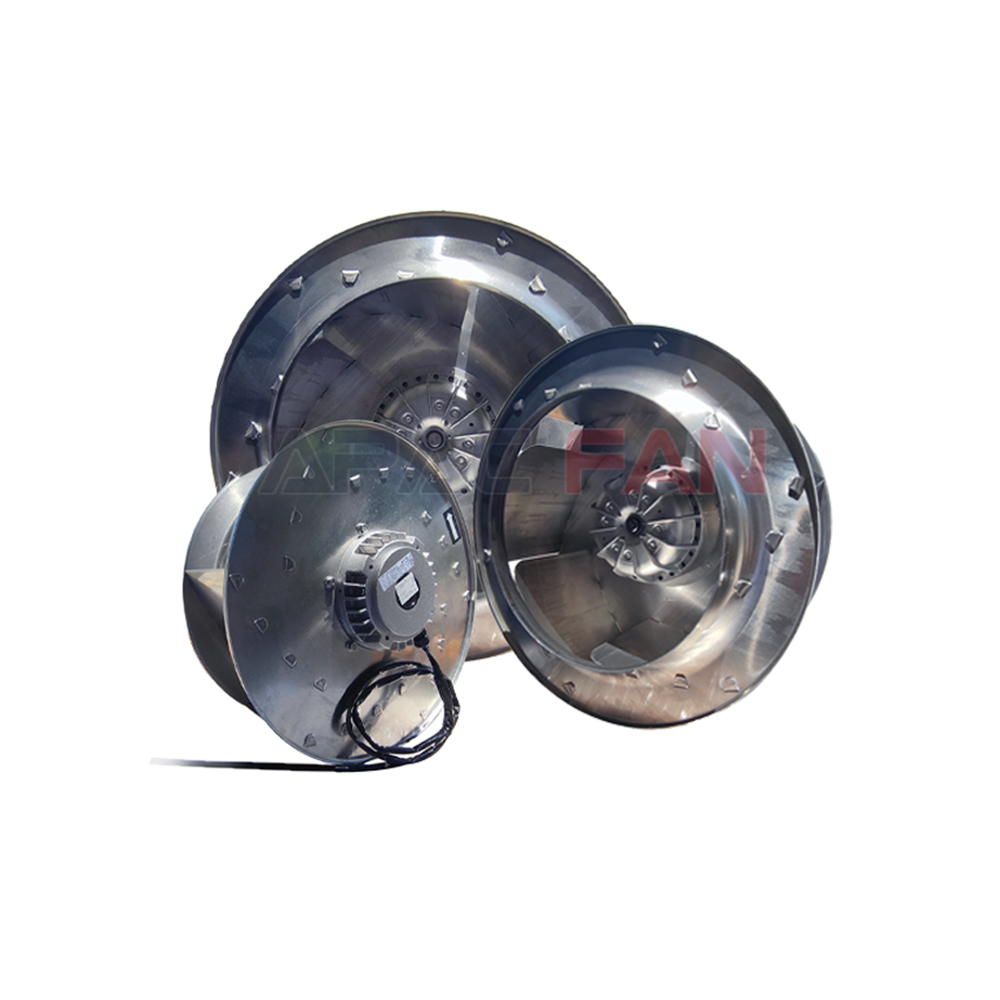
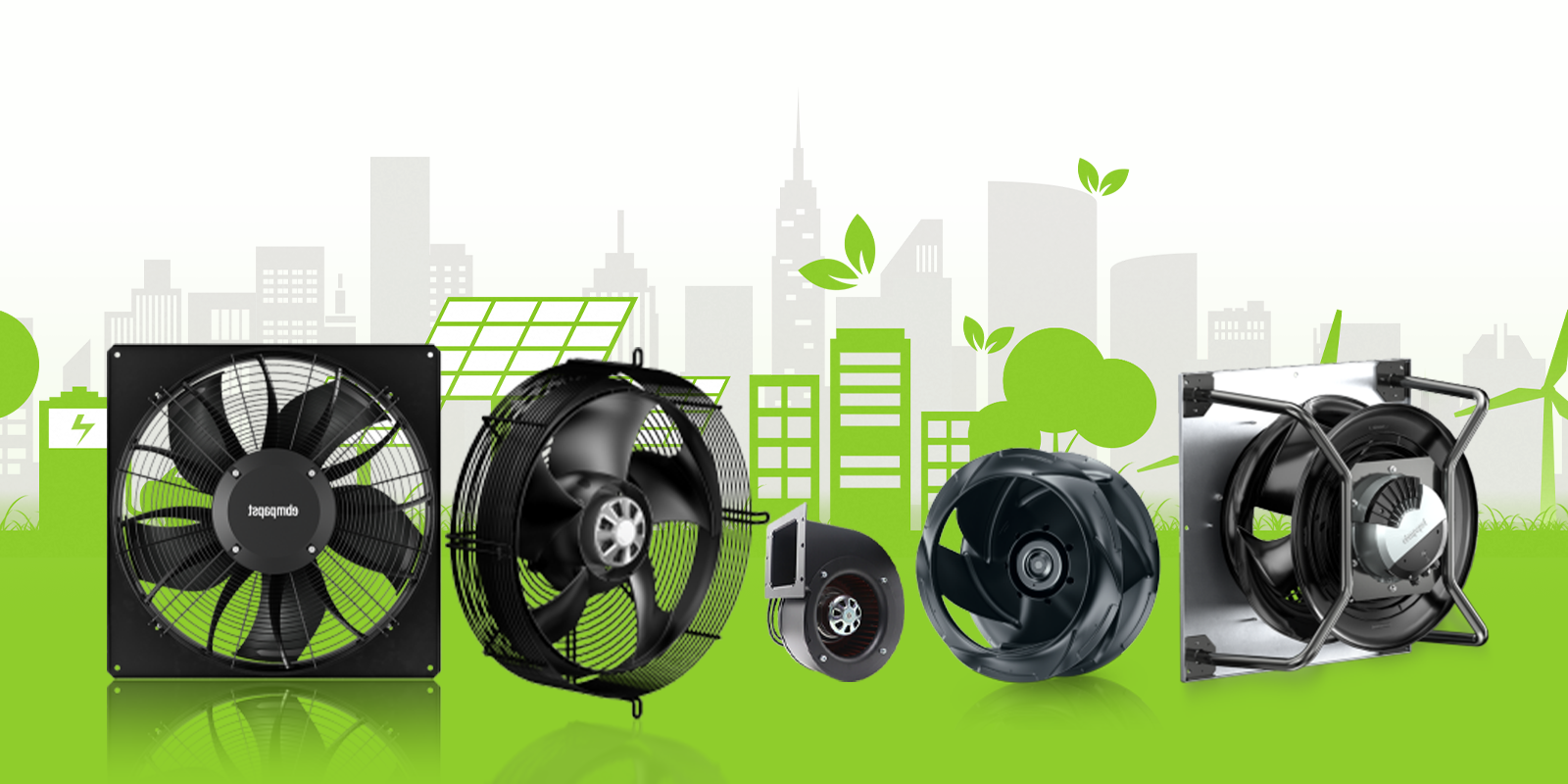
Furthermore, EC fans excel at part-load operation, which is the predominant condition in most data centers. While AC motors see a sharp drop in efficiency when operated below their design speed, EC motors maintain remarkably high efficiency across a broad speed range. This characteristic is vital for real-world operations where IT loads and cooling demands fluctuate. Additionally, the electronic commutation reduces audible noise, electromagnetic interference, and, crucially, heat generation within the motor itself, contributing to overall system stability. Manufacturers like ebm-papst have been instrumental in advancing this technology, integrating EC motors into a comprehensive range of plug fans, centrifugal fans, and axial fans specifically engineered for the rigorous demands of data center HVAC and cooling applications.
How EC Fans Optimize Free Cooling Performance
- Intelligent Speed Modulation
The synergy between free cooling and EC fans is most evident in intelligent speed control. In a free cooling system, the required airflow is a dynamic variable. It depends on real-time factors: the precise temperature and enthalpy of the outdoor air, the heat load from the servers, and the setpoints for the data hall environment. An EC fan system can continuously and automatically adjust its speed to deliver the exact airflow needed at any given moment. For instance, on a cool night, an air-side economizer may only need 30% airflow to maintain temperature, allowing the EC fans to slow down accordingly. This precise modulation prevents the significant energy waste associated with running fans at full speed unnecessarily, a common drawback of older on/off or staged fan systems.
- Improved Part-Load Efficiency
Data centers are rarely, if ever, operated at their maximum design IT load. They are typically provisioned for future growth and experience daily, weekly, and seasonal load variations. Consequently, cooling systems operate at part-load conditions for the vast majority of their service life. This is where EC technology shines. Its ability to maintain high motor and drive efficiency at 40%, 50%, or 70% speed means the fans consume power almost proportionally to the cube of the speed reduction (following the fan affinity laws). A fan running at 50% speed may use only 12.5% of the power it would at full speed. This dramatic reduction in parasitic fan power is a primary contributor to achieving industry-leading low PUE values.
- Reduced Mechanical Stress
The operational reliability of a 24/7 data center is paramount. Traditional cooling systems with fixed-speed fans often rely on starting and stopping, or engaging multiple fan stages, to match load. These frequent start-stop cycles cause high inrush currents, mechanical shock, and wear on belts and bearings. In contrast, the soft-start capability and seamless speed modulation of EC fans eliminate harsh starts. Fans ramp up and down smoothly, drastically reducing vibration, acoustic noise, and mechanical stress on the fan assembly and its mounting structure. This gentler operation extends the mean time between failures (MTBF), reduces maintenance intervals, and enhances the overall longevity and reliability of the cooling infrastructure—a critical consideration for mission-critical environments.
Emerging Design Trends in 2026 and Beyond
The evolution of data center cooling is accelerating, with several key trends building upon the foundation of free cooling and EC fan technology. Hybrid Cooling Systems are becoming the standard, intelligently blending multiple free cooling methods with efficient mechanical compression to maximize efficiency across all seasonal and climatic conditions. AI and Machine Learning-Based Airflow Control is moving from concept to deployment, using predictive analytics and real-time sensor data to optimize fan speeds, damper positions, and cooling setpoints dynamically, achieving savings beyond traditional control logic.
Modular Fan Wall Integration with EC technology allows data center operators to scale cooling capacity precisely with IT deployment. Fan walls, comprised of multiple smaller EC fans, can adjust output more granularly and provide inherent redundancy; if one fan fails, the others can increase speed to compensate. Finally, the entire design philosophy is being reshaped by Sustainability-Driven Design. This holistic approach prioritizes low Global Warming Potential (GWP) refrigerants, waste heat reuse, and full lifecycle analysis, ensuring that cooling solutions align with ambitious corporate carbon neutrality and net-zero goals.
Regional Considerations
The implementation of these technologies is nuanced by geography. In Europe, aggressive regulatory frameworks and corporate sustainability goals drive a strong push for the lowest possible PUE. Air-side and water-side free cooling, supported by high-efficiency EC fans, are widely adopted, particularly in temperate regions like the Nordic countries, the UK, and Germany. In Southeast Asia, the primary challenge is high ambient humidity coupled with heat. Here, free cooling often requires sophisticated dehumidification control. EC fans are crucial for managing the precise and variable airflow needed to maintain strict psychrometric conditions without energy penalty. In the Middle East, characterized by extreme heat, indirect evaporative cooling is a dominant solution. The performance of these systems is heavily dependent on robust, high-static-pressure EC fan arrays capable of reliable operation in harsh conditions, making fan technology selection a critical success factor.
Practical Benefits of Combining Free Cooling and EC Fans
The integration of advanced free cooling architectures with optimized EC fan systems delivers compelling, tangible benefits. Data centers that successfully implement this combination achieve:
- Significant Energy Savings: Direct reductions in compressor and fan energy consumption, often leading to PUE values below 1.2.
- Reduced Compressor Runtime: Mechanical chillers operate fewer hours annually, lowering maintenance costs and extending their service life.
- Lower Maintenance Costs: The reliability and reduced mechanical stress of EC fans decrease the frequency and cost of fan maintenance.
- Improved System Redundancy and Resilience: Modular fan designs and inherent variable capacity enhance system robustness.
- Enhanced Environmental Compliance and ESG Performance: Lower energy use directly translates to a reduced carbon footprint, aiding compliance with regulations and sustainability reporting.
Conclusion
The trajectory of data center cooling is unequivocally defined by the pillars of efficiency, flexibility, and intelligence. The industry’s journey toward sustainability and cost-effectiveness is being powered by the synergistic adoption of free cooling and EC fan optimization. Free cooling strategies dramatically reduce reliance on power-intensive mechanical refrigeration by harnessing the natural environment, while EC fan technology ensures that the vital airflow within these systems is delivered with unmatched precision, efficiency, and reliability. This powerful combination is not merely an incremental improvement but a fundamental re-engineering of thermal management philosophy. By embracing these integrated solutions, data center operators can successfully navigate the challenges of rising energy costs and environmental mandates, achieving superior operational performance, future-ready adaptability, and a genuine pathway to sustainable digital infrastructure. The future of data center cooling is intelligent, adaptive, and efficient, and it is being built today with these transformative technologies.