












 English
 Français
 Deutsch
 Português
 Español
 русский
  한국어
한국어 العربية
 Italiano
 Indonesia
 Schweiz
 Polski
 Nederlands
 ישראל - עברית
 Perzisch
 ไทย
ไทย 日本語
日本語 ኢትዮ-አማርኛ
 Việt Nam
 Kiswahili
 Srpski
 Ελληνικά
 繁體中文
繁體中文Fan Wall Systems for Data Centers
02/11/2026As data centers evolve toward higher rack densities and greater energy efficiency, traditional cooling designs featuring single-fan air handling units (AHUs) are increasingly being replaced by more advanced fan wall systems. This technology utilizes an array of electronically commutated (EC) plug fans, offering superior redundancy, optimized airflow distribution, and enhanced energy performance. Particularly favored in hyperscale and colocation facilities, fan wall systems represent a strategic shift toward modular, resilient, and scalable cooling infrastructure. This article explores the design principles, key advantages, and practical applications of fan wall systems, with a focus on why high-efficiency EC plug fans from manufacturers like ebm-papst are integral to their performance.
What Is a Fan Wall System?
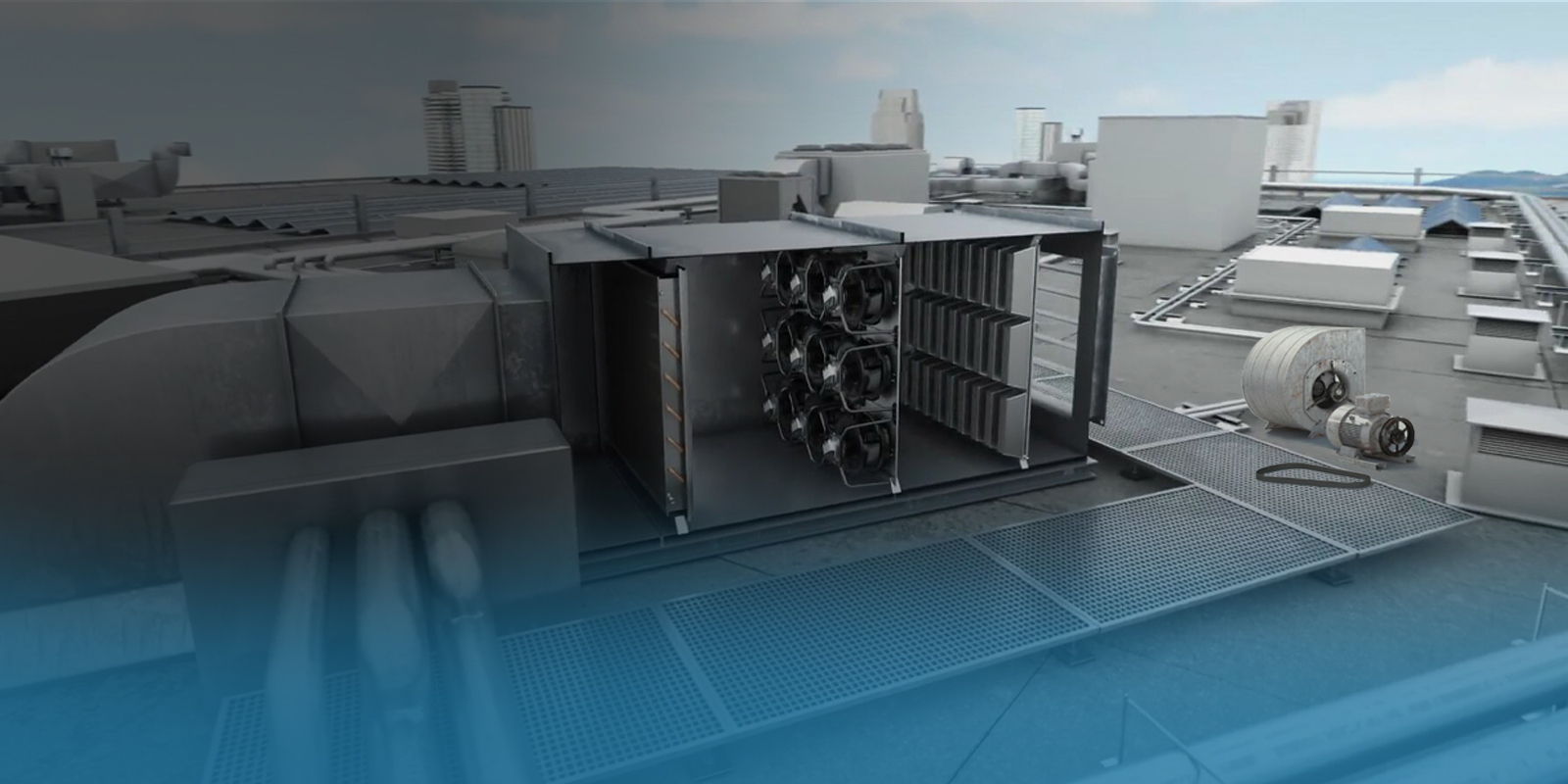
A fan wall system is a modular cooling architecture consisting of multiple EC plug fans arranged in a coordinated array within an AHU or computer room air handler (CRAH) unit. Unlike conventional designs that rely on a single large centrifugal fan, the fan wall distributes airflow across several smaller, independently controlled fans that operate in unison. Key characteristics include a modular array structure, individual motor control, support for redundant configurations such as N+1 or N+2, and intelligent speed synchronization. This design not only improves operational flexibility but also enhances system reliability and efficiency.
Why Fan Wall Systems Are Popular in Modern Data Centers
One of the primary advantages of fan wall systems is their high redundancy and reliability, which ensures operational continuity in mission-critical environments. In the event of a fan failure, the system automatically adjusts, with the remaining fans compensating to maintain airflow without necessitating a shutdown, thereby minimizing downtime risk. Additionally, fan walls deliver improved energy efficiency through variable-speed EC fans that adjust airflow based on real-time load demands. Since data centers rarely operate at full design load, this capability results in significantly better part-load efficiency compared to fixed-speed single-fan systems.
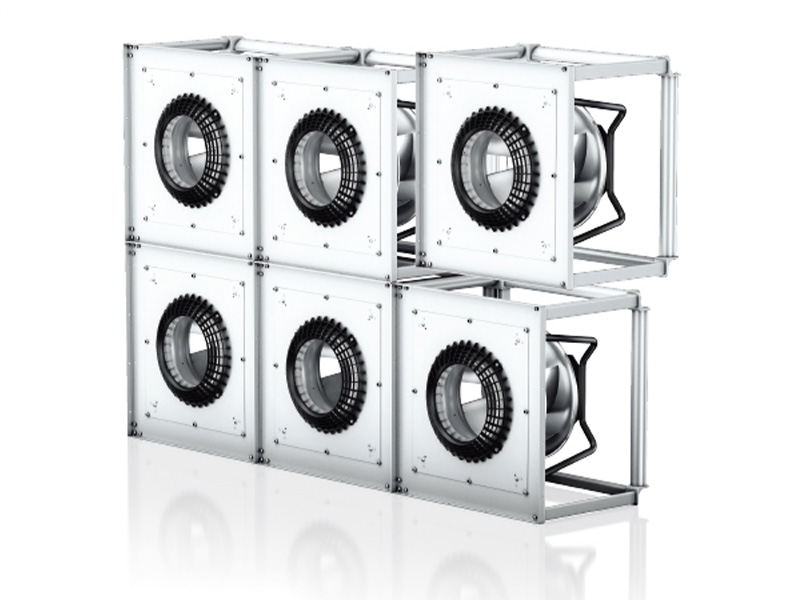
Beyond reliability and efficiency, fan wall systems provide more uniform airflow distribution across cooling coils, reducing hot spots and promoting consistent temperature management. This is especially beneficial in layouts utilizing hot aisle/cold aisle containment or supporting high-density rack cooling. Furthermore, the modular nature of fan walls offers exceptional scalability and flexibility, making them ideal for hyperscale deployments, modular expansion projects, and phased construction. New fans or modules can be integrated seamlessly without redesigning the entire cooling infrastructure.
Fan Wall System Design Considerations
When designing a fan wall system, engineers must evaluate several technical and operational factors. First, the required airflow volume should be determined based on the IT load and the chosen cooling strategy. Static pressure requirements must also be accounted for, including resistance from cooling coils, filters, ductwork, and any containment systems. A clear redundancy strategy—whether N+1, N+2, or fully redundant sections—should be defined to align with the data center’s uptime objectives. Finally, control integration is essential; EC plug fans should support industry-standard inputs and communications, such as 0–10V or PWM control, speed feedback, alarm outputs, and integration with building management systems (BMS) or data center infrastructure management (DCIM) platforms.
Why EC Plug Fans Are Ideal for Fan Walls
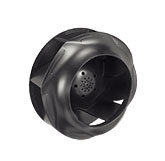
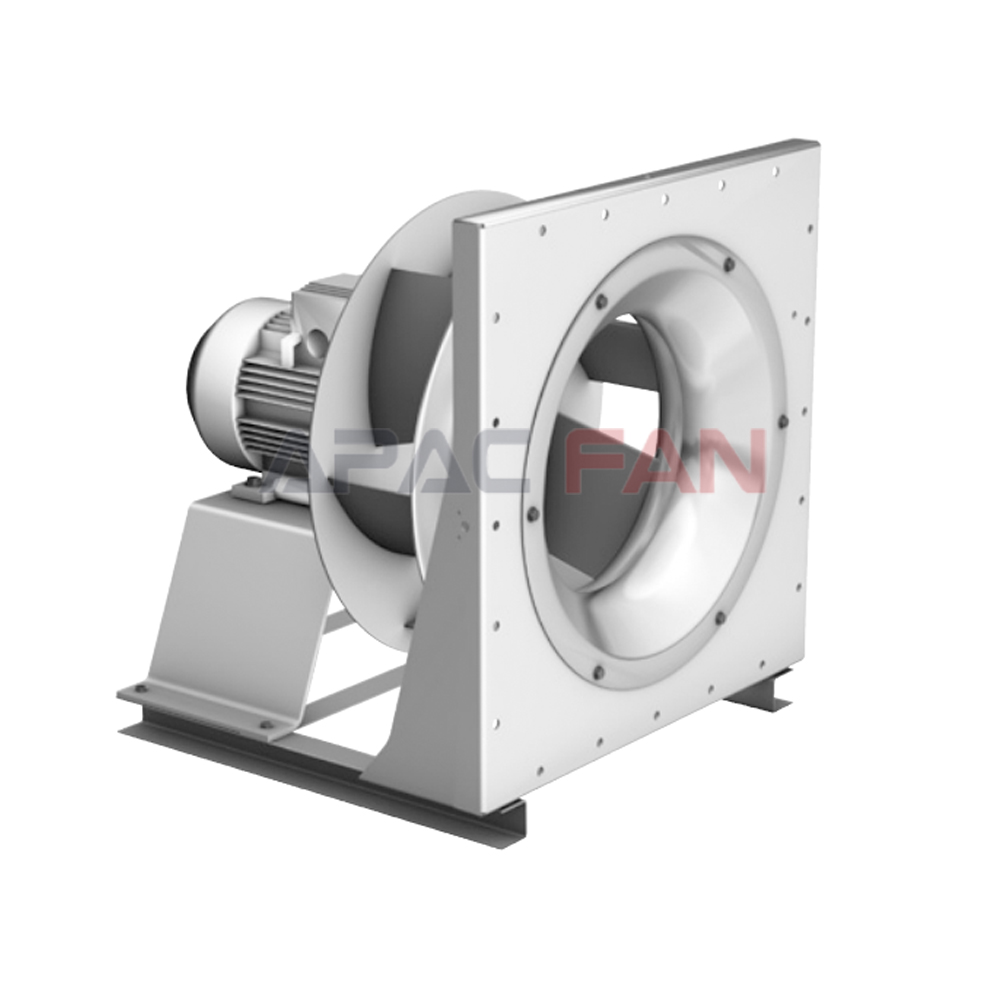
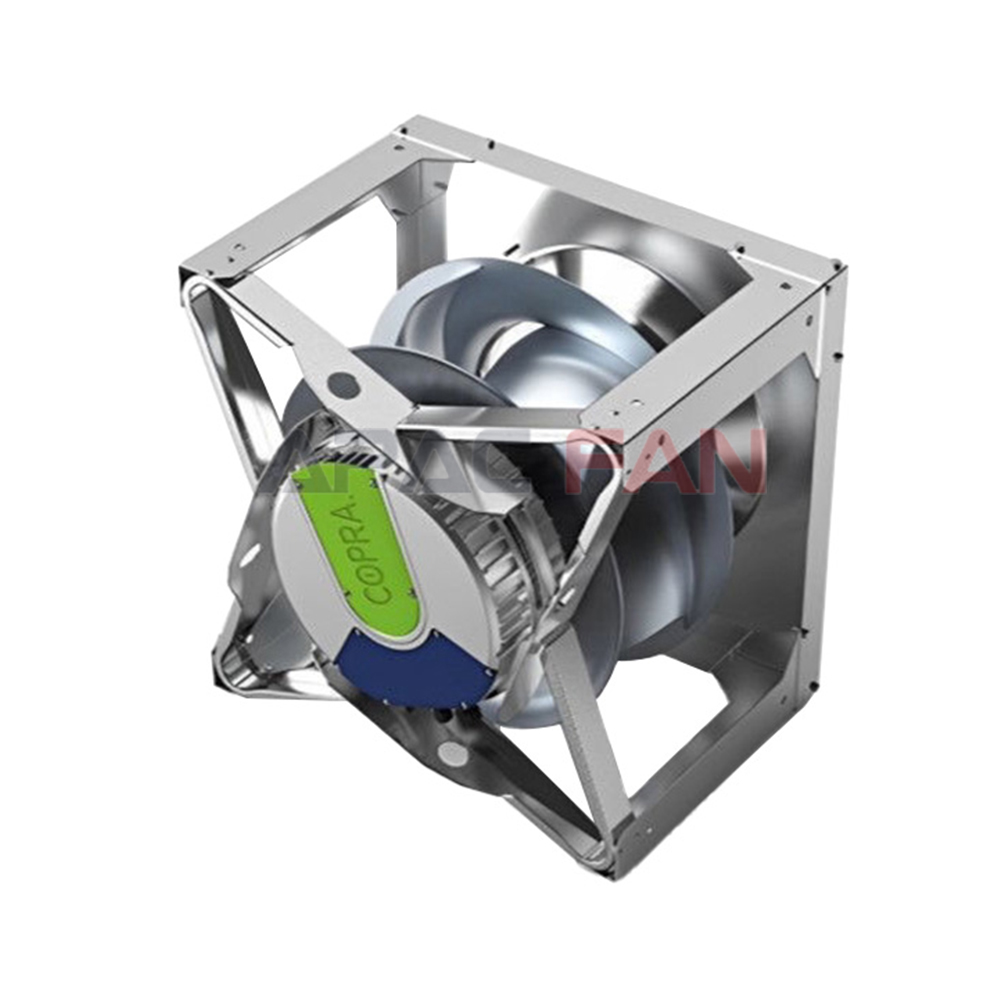
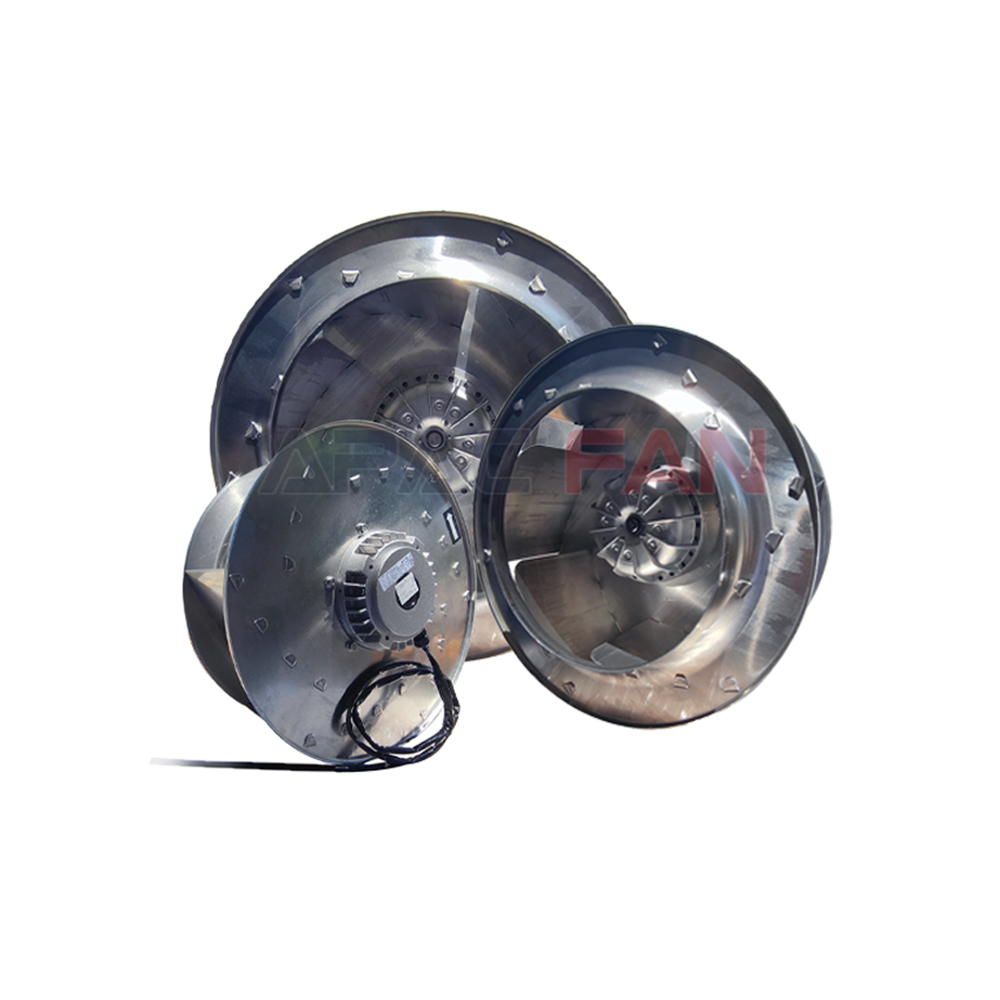
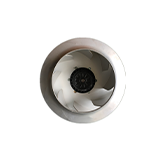
EC plug fans are particularly well-suited for fan wall applications due to their integrated motor and control electronics, compact footprint, and high efficiency across a wide range of operating speeds. Their design allows for easier maintenance and replacement compared to larger, more complex fan assemblies. Manufacturers like ebm-papst specialize in EC plug fan solutions engineered specifically for seamless integration into AHU and CRAH units, offering reliability and performance tailored to data center environments.
Fan Wall vs. Traditional Single Fan AHU
When compared to traditional single-fan AHUs, fan wall systems excel in several areas. They provide higher redundancy through N+1 or N+2 configurations, whereas single-fan designs offer limited fault tolerance. In terms of energy efficiency, fan walls maintain excellent performance at part-load conditions, while single-fan systems are typically optimized only at their design point. Maintenance is also more straightforward with fan walls, as individual fans can be replaced without a full system shutdown—a process that often requires downtime in single-fan setups. Moreover, fan walls are inherently more scalable and modular, supporting future expansion with greater flexibility. For large-scale data centers, fan wall systems represent a more future-ready and resilient cooling solution.
Application Scenarios
Fan wall systems are widely implemented in hyperscale data centers, colocation facilities, edge data centers with stringent redundancy requirements, and high-density rack environments. They are particularly effective in use cases where operational uptime, energy efficiency, and thermal uniformity are equally critical. As data centers continue to push the boundaries of density and performance, fan wall technology offers a proven and adaptable cooling framework.
Conclusion
Fan wall systems signify a modern evolution in data center cooling design, combining multiple EC plug fans into a modular array to deliver high redundancy, improved energy efficiency, uniform airflow distribution, and long-term operational flexibility. For data center operators seeking scalable, reliable, and efficient cooling solutions, fan wall systems supported by high-quality EC plug fans provide a robust and forward-looking approach to thermal management.