

















 English
 Français
 Deutsch
 Português
 Español
 русский
 한국어
 العربية
 Italiano
 Indonesia
 Schweiz
 Polski
 Nederlands
 ישראל - עברית
 Perzisch
 ไทย
 日本語
 ኢትዮ-አማርኛ
 Việt Nam
 Kiswahili
 Srpski
 Ελληνικά
 繁體中文
Centrifugal Fans in Ducted Air Conditioning Units
11/25/2026A ducted air conditioning unit uses a fan to move conditioned air from the unit through a network of ducts and supply outlets. Centrifugal fans are widely used where the equipment must deliver air against resistance from a coil, filter and duct system. The relevant selection is the complete fan assembly at its installed operating point.
Why duct resistance matters
Air encounters resistance as it flows through filters, cooling coils, bends, branches, dampers and outlets. Leakage and poorly formed connections can change how much of the fan's output reaches the occupied space. A fan's free-air capacity does not describe the airflow delivered through this connected system.
The operating point is the intersection of the fan performance curve and the system resistance. A change to a filter, a duct branch or a damper position can shift the operating point. The equipment designer or qualified technician should establish the required airflow and pressure using the correct definitions and measurement locations for the application.
Static pressure and equipment ratings
Manufacturers may specify external static pressure for a ducted unit: the pressure available for the external air path under the manufacturer's stated conditions. Internal components may already be included in the unit's rating, but definitions differ. Check the data sheet before adding or comparing pressure values, and avoid counting the same resistance twice.
Available pressure must be considered at the required airflow and selected speed. A maximum pressure value at little or no airflow is not the pressure available at every duty. Likewise, a fan with a higher motor rating is not necessarily a better match for the duct system.
Air distribution to the rooms
The fan supplies the overall system, but branch layout and balancing determine how air is distributed. A room with low supply airflow may have a restricted branch, a poorly adjusted damper, leakage or a blocked outlet. Replacing the central fan without checking those conditions may not correct the room-level problem.
The return air path is equally important. Closed doors, obstructed return grilles or undersized return ducts can influence the flow through the complete system. The building design determines whether return air travels through dedicated ducts or another approved route.
Fan types and installation
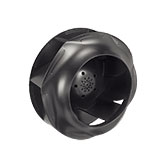
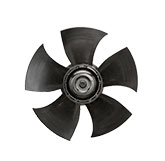
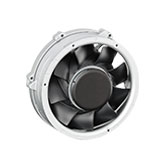
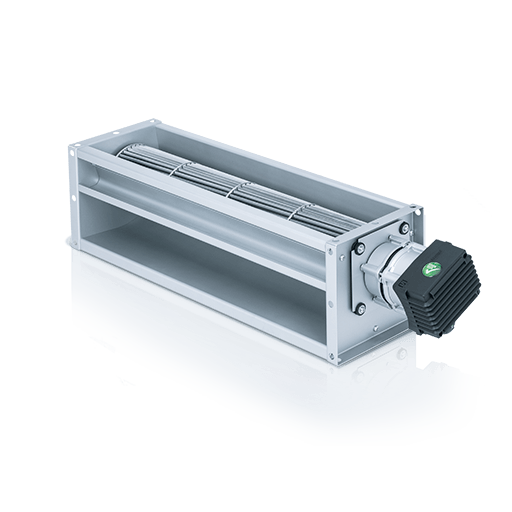
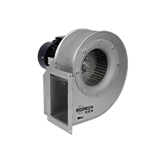
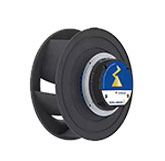
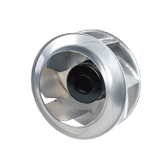
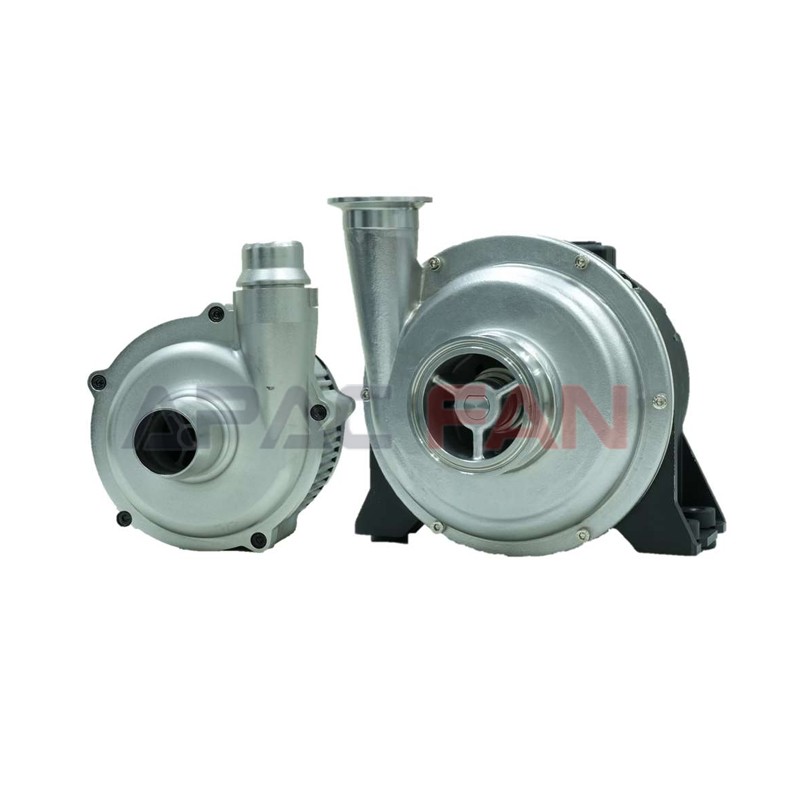
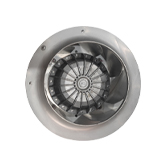
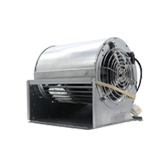
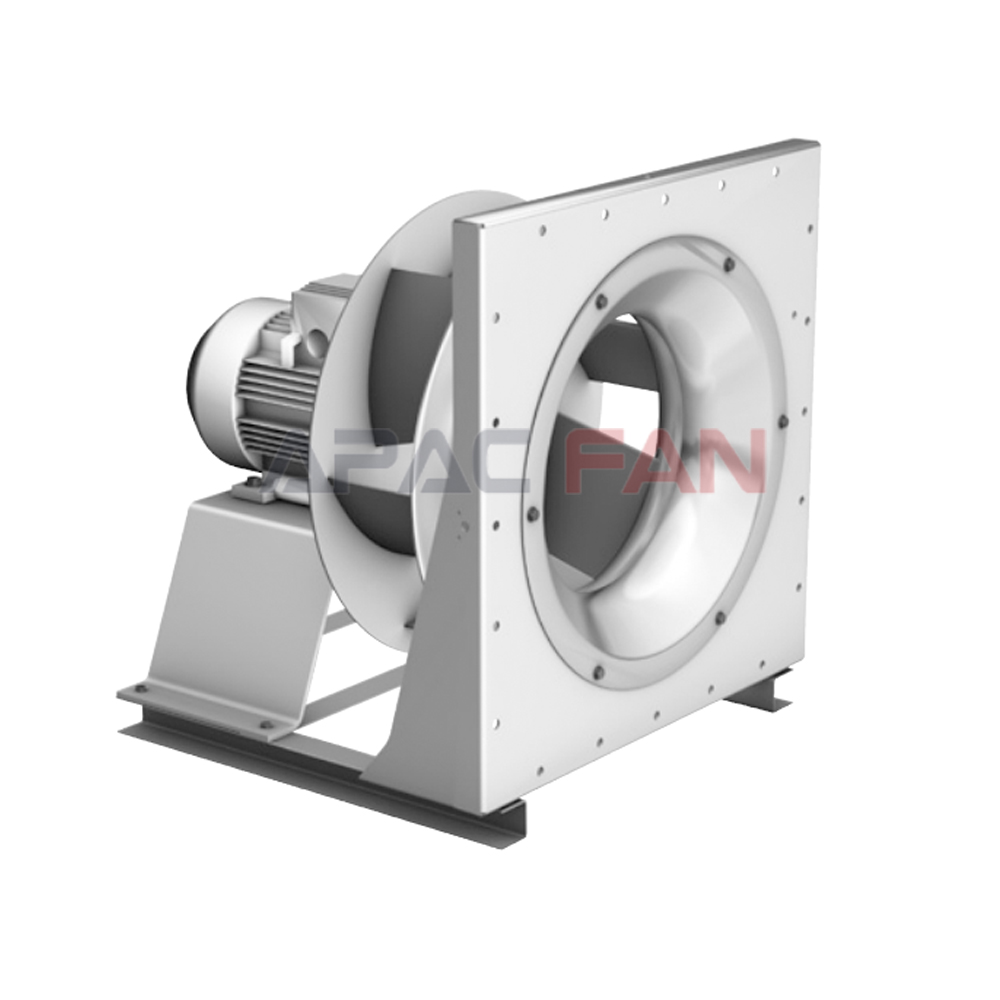
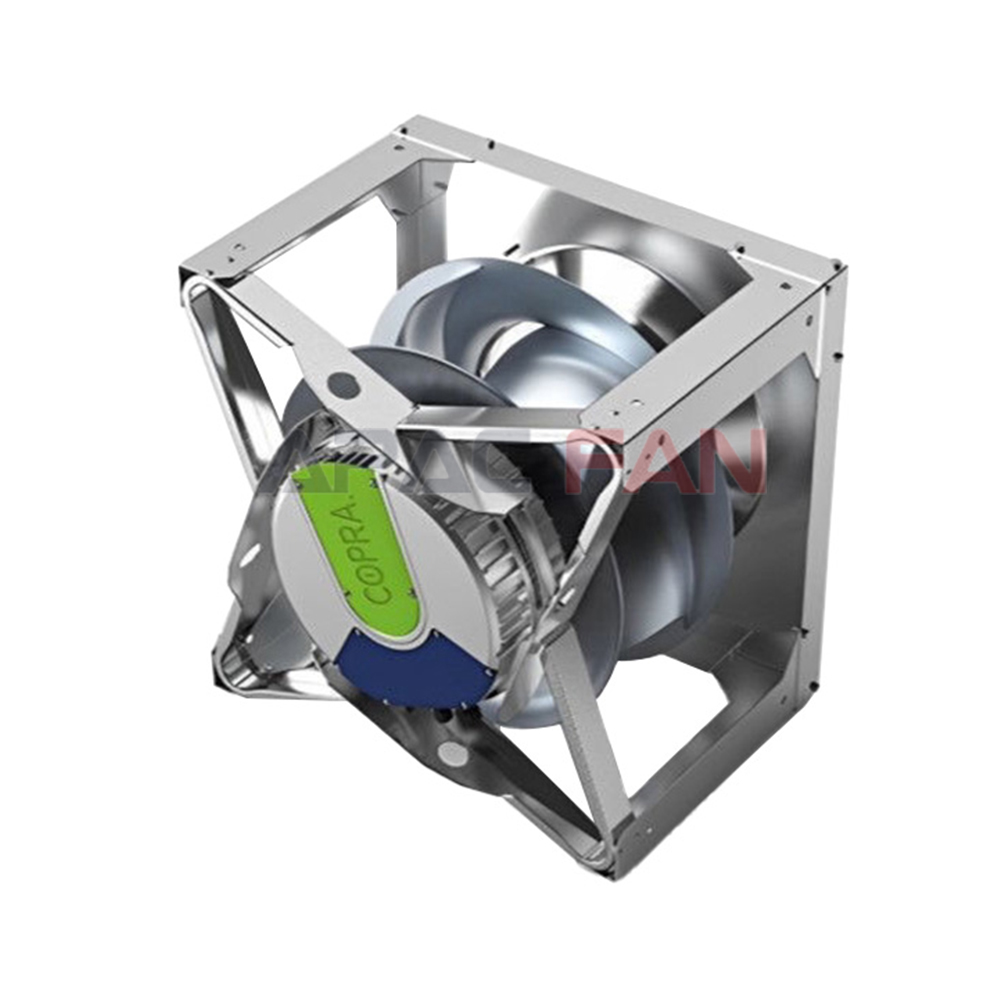
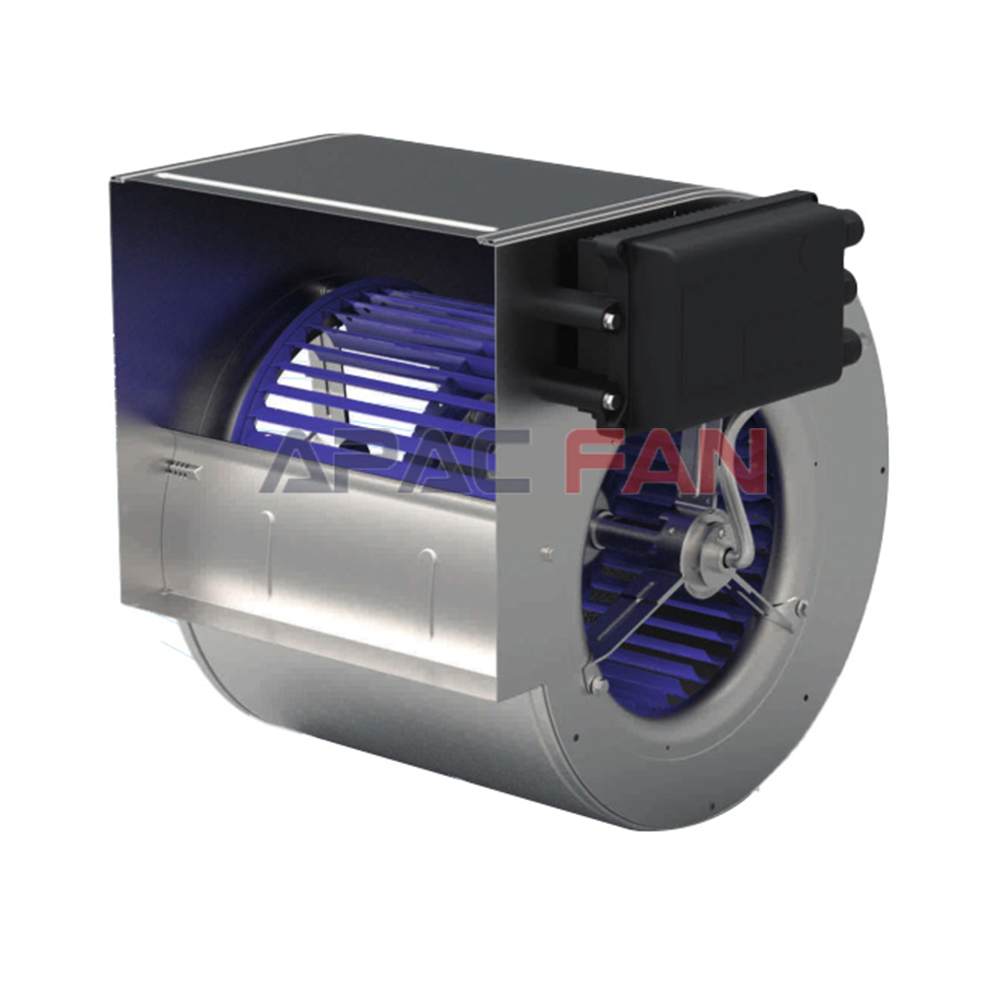
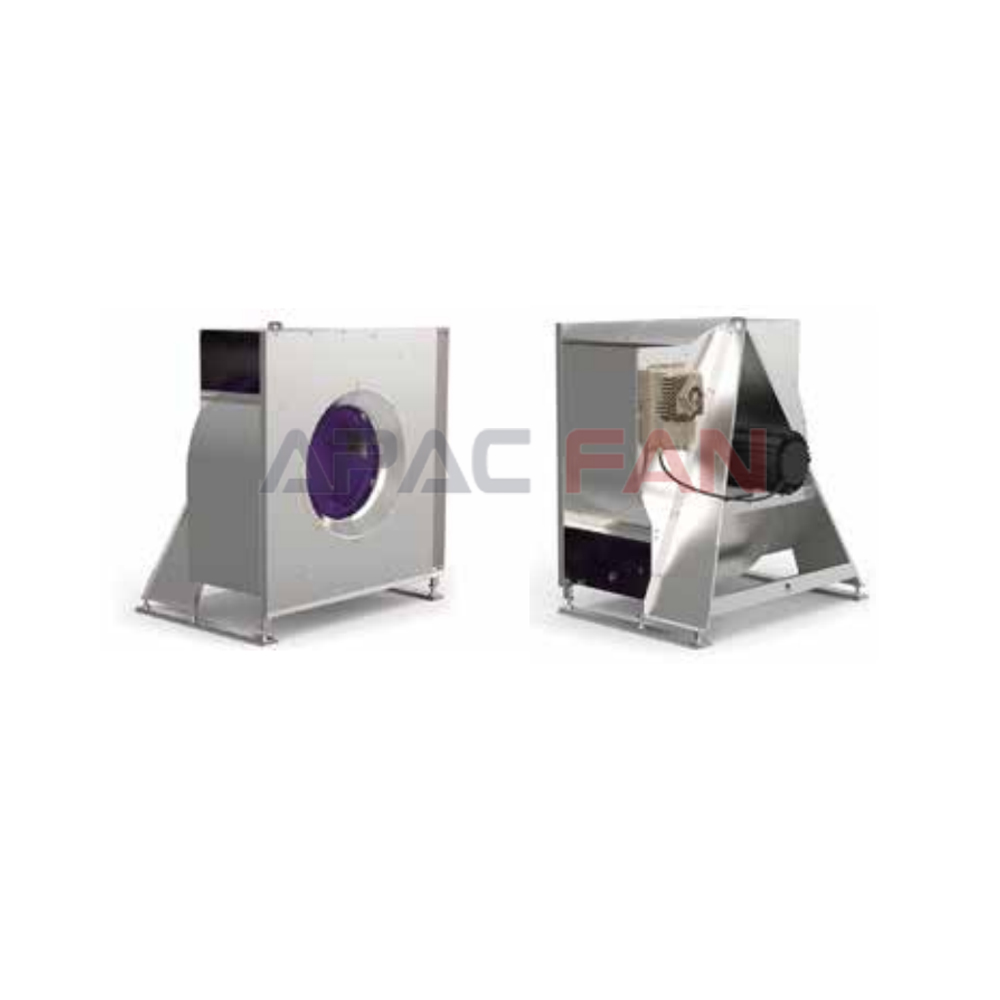
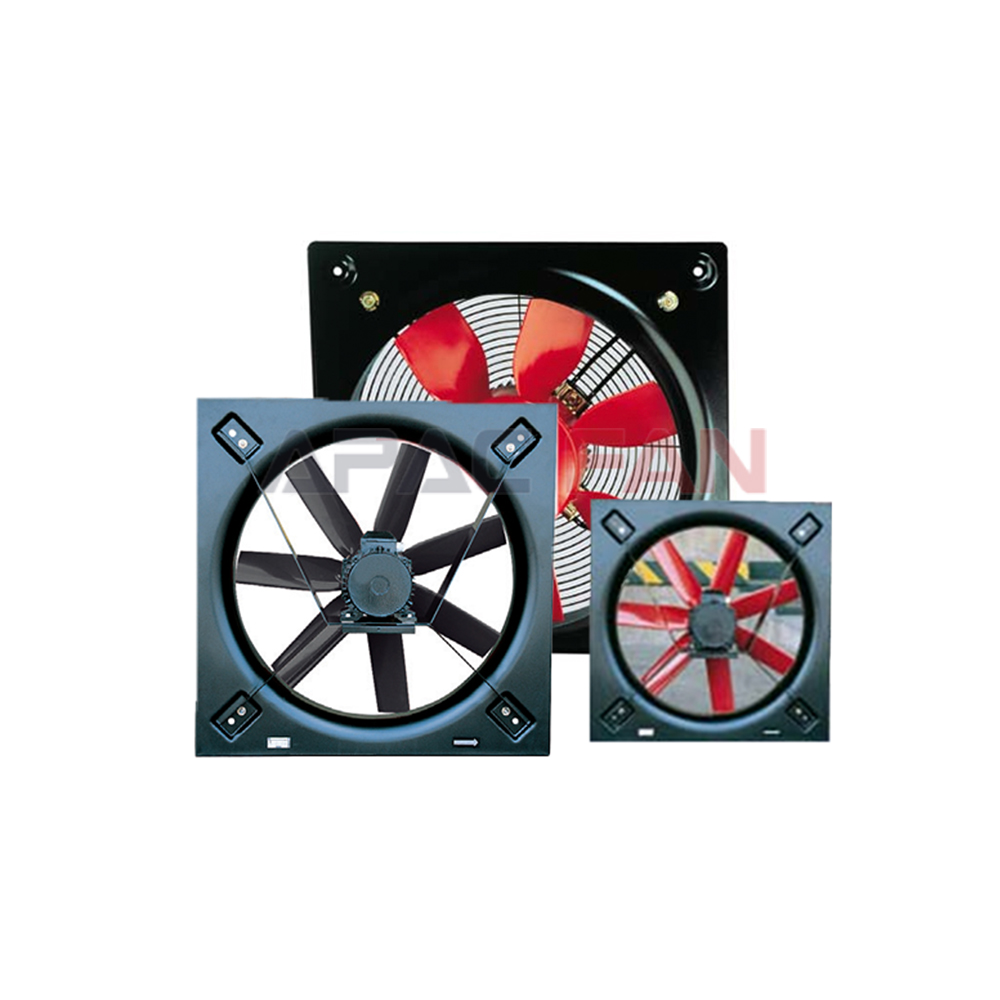
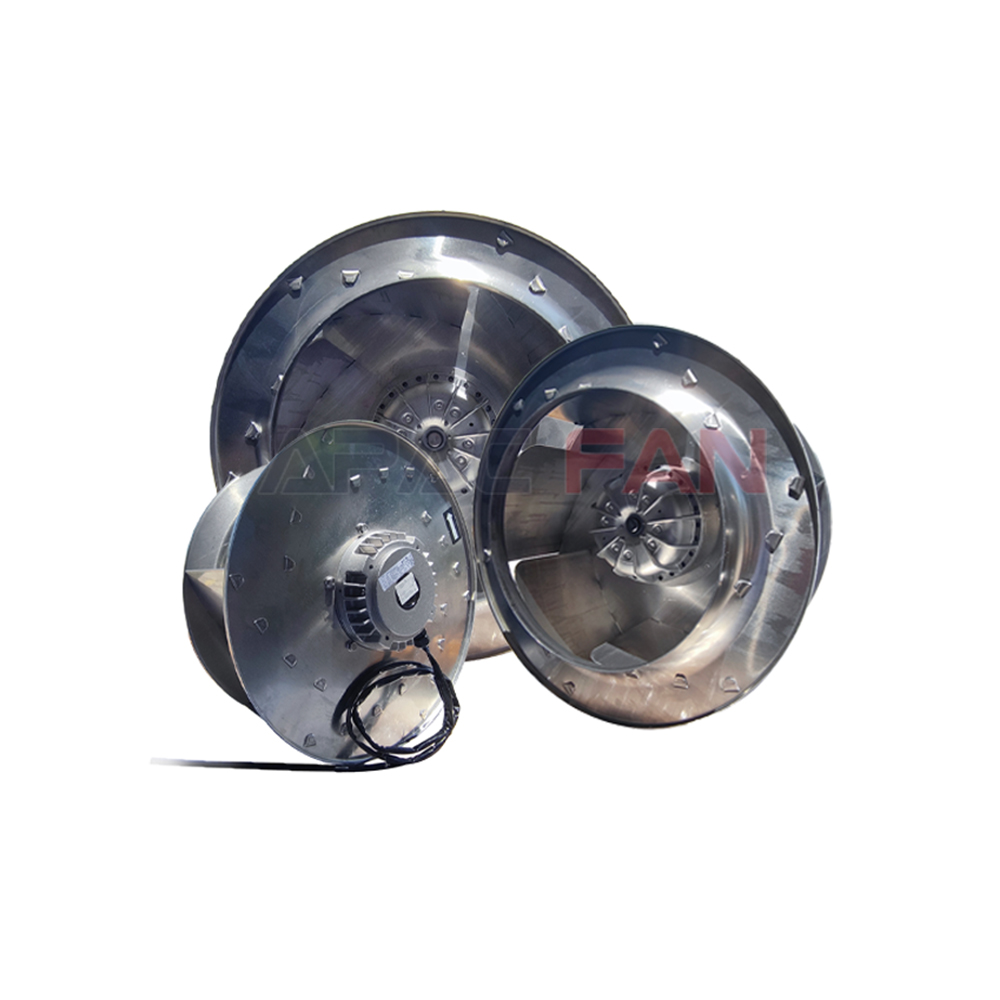
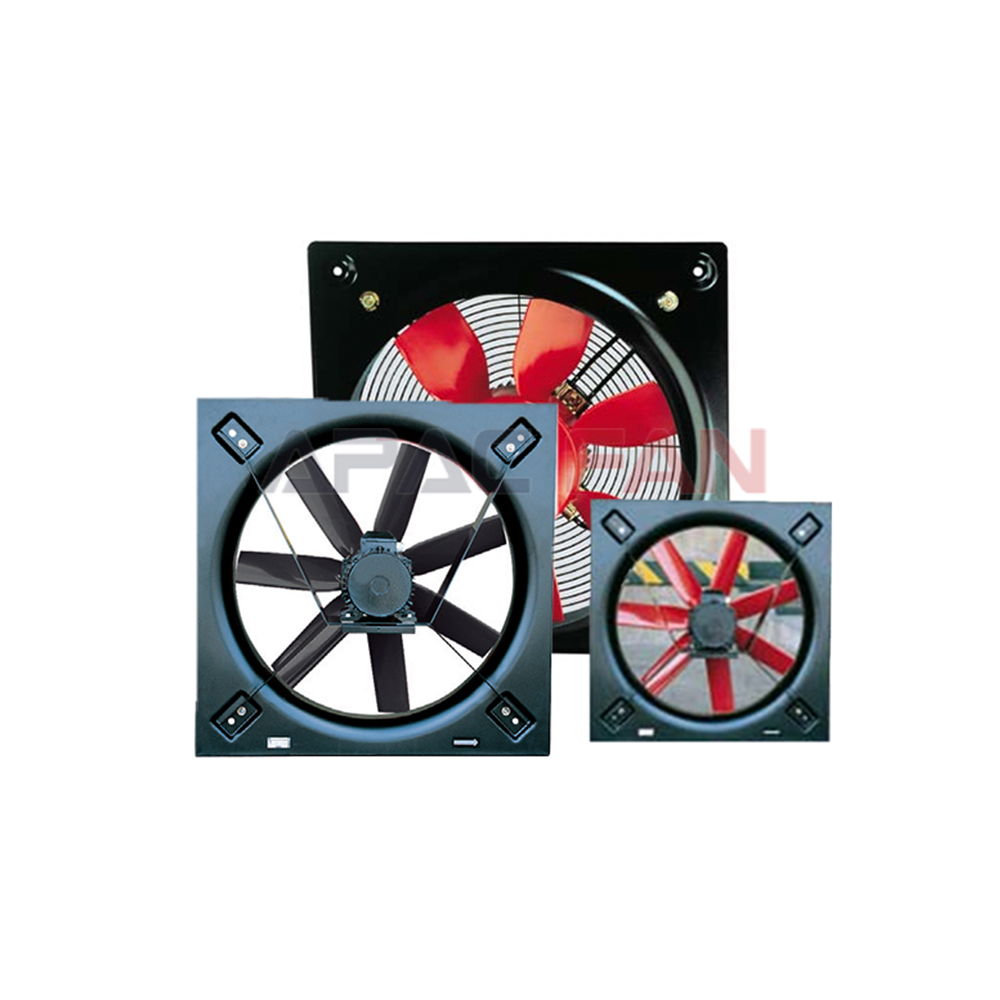
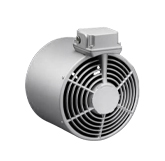
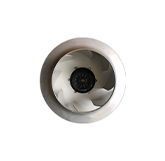
Centrifugal assemblies can differ in impeller design, housing, motor arrangement and control. The choice depends on the intended pressure range, efficiency, dimensions, noise and equipment design. An exposed plug fan and a housed blower may use different mounting and airflow arrangements even when both are centrifugal fans.
Inlet conditions matter. A tightly obstructed inlet or abrupt transition can produce uneven airflow and affect installed performance. Preserve the clearances and arrangements required by the selected equipment manufacturer, including access for filter and fan service.
Controls and replacement checks
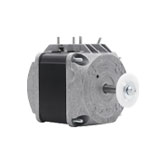
Fixed-speed, multi-speed and variable-speed arrangements require different electrical and control interfaces. Record the unit model, original fan part number, supply, dimensions, rotation, mounting and connector details. Where a controller expects feedback or a fault signal, verify that the replacement supports those functions.
APAC FAN can review the fan information and operating requirements you provide. Share the unit label, fan photographs and available airflow and pressure data, along with an email or WhatsApp number, to support a compatible selection discussion.
Pressure losses through a real duct network
Air moving through a duct experiences resistance from straight sections and fittings. Bends, transitions, dampers and terminal grilles each contribute to the system requirement. A design should also account for filters and coils using the pressure conditions specified for the equipment. Components cannot be assessed accurately by adding unrelated maximum numbers from separate catalogues.
Leakage is another reason that airflow leaving the unit may differ from airflow reaching occupied rooms. Leaks in an unconditioned ceiling or plant space can waste conditioned air and make balancing more difficult. Inspect accessible connections and use suitable testing where required by the project specifications.
Reading a fan curve in context
A fan curve relates airflow to pressure at a stated speed and test arrangement. The system curve describes the resistance presented by the installed air path. Their intersection indicates the expected operating point for that combination. At a different speed, the fan curve changes; a different filter or duct configuration can change the system curve.
When comparing candidates, check whether the pressure value represents static or total pressure and whether the stated density and test conditions are appropriate. A selection at the edge of a permitted operating range may require additional review. Use the manufacturer's selection data and installation guidance rather than assuming every centrifugal impeller has the same behavior.
Supply branches and room-level complaints
Suppose one office receives little air while other rooms supplied by the same unit are comfortable. Possible causes include a partially closed branch damper, a disconnected duct, an obstructed grille or an unbalanced layout. Measuring only the fan motor's electrical input will not identify which branch is responsible.
Start with the design airflow for the affected room and verify accessible dampers and outlets. A balancing professional can compare measured distribution with the system requirements. If all branches are low, investigate the shared filter, coil, return path and fan operation. The correct repair depends on the actual measurements and equipment condition.
Replacement in a limited space
A housed centrifugal blower and a plug fan can require different mounting and inlet arrangements. Check housing dimensions, inlet clearance, outlet connection and the route for removing the assembly. Preserve guards and supports specified for the unit. If an alternative configuration is proposed, a qualified engineer should assess its effect on airflow, structure and acoustics.
Controls and power are part of the same decision. A motor may be supplied directly, through a variable-frequency drive or with integrated electronics. The replacement must match the controller's command and safety requirements. Verify the installation and required airflow after the work rather than judging success by the fan turning alone.
Questions about ducted fan selection
What is the difference between free airflow and installed airflow? Free airflow is measured without the external resistance of the intended duct system under the manufacturer's test conditions. Installed airflow is established by the fan's performance and the actual resistance of the air path. These values can differ substantially, so use the operating curve for the required duty.
Does a higher fan speed always improve every room? Increasing speed can change total airflow, but branch restrictions, leakage and balancing still influence distribution. A room with a blocked duct may remain poorly served. The higher setting can also change sound and power input. Verify the complete system and remain within equipment limits.
When should external static pressure be measured? A qualified technician can measure the relevant pressure when commissioning or diagnosing a ducted unit. The locations and interpretation must follow the manufacturer's instructions. Compare the reading with data for the same airflow and configuration, rather than with a standalone maximum value.